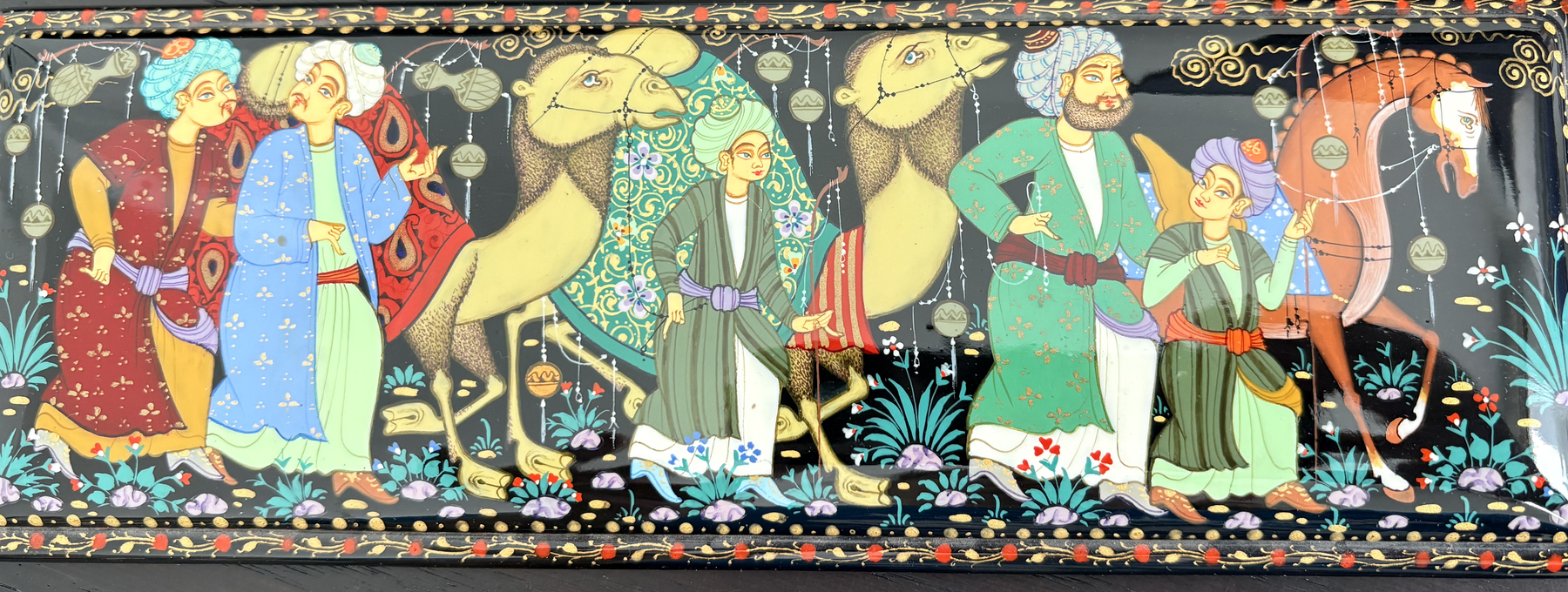
Khujand, Tajikistan
An introduction to Tajikistan
We crossed borders from Uzbekistan to Tajikistan. Khujand is the City of Almonds. Went without internet connection much of the time in Tajikistan (outside the hotel). Like each of the stans we visited, we happened to be there for their 35th Anniversary of Independence. Below are notes quoting our local guide:
93% of the country is mountainous. Tajik people have never been nomads. They are famous for their apricots, cherries, peaches, and grapes. They are rich in water, but no oil or gas. Lots of gold, aluminum, lapis lazuli, other semi-precious stones. They have China Aid and Turkiye Aid. In school they learn Farsi, Russian, English, and Chinese. Our guide explained that this way they will always be with the winners of World War III. He also explained they want atomic power because it is good in any weather and can quickly change to weapons if they are attacked. “I am for free democracy and humanity.”
Soviets planted mulberry trees on both sides of the road for the roots to drink the water. This way the water does not crack the asphalt.
In The Great Game the Oxus River divided a single kingdom in two – Britain takes the south and Russia takes the north. Durant created a line between Pakistan and Afghanistan, but Pashtun live on both sides. All people lived together for 1000 years, it is politicians who want to use one against another for their benefit. The British used Afghanistan and Pakistan to grow opium and hashish. The Soviets exported cotton and tobacco. The Soviets got their uranium here. The Chinese currently export lithium.
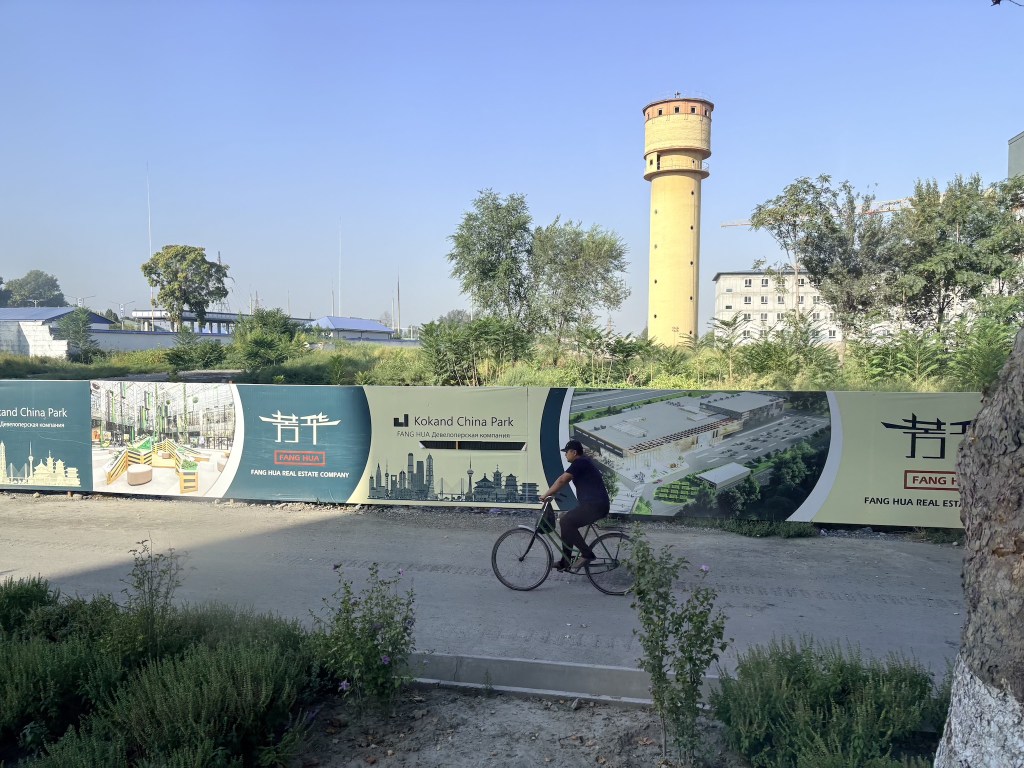
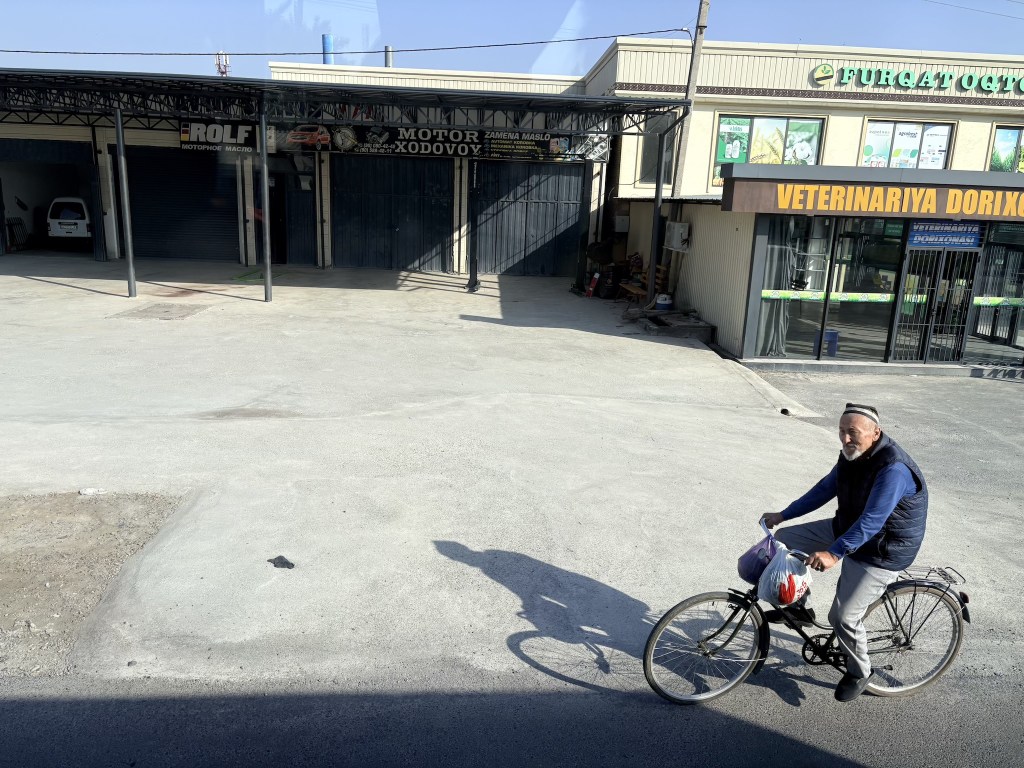
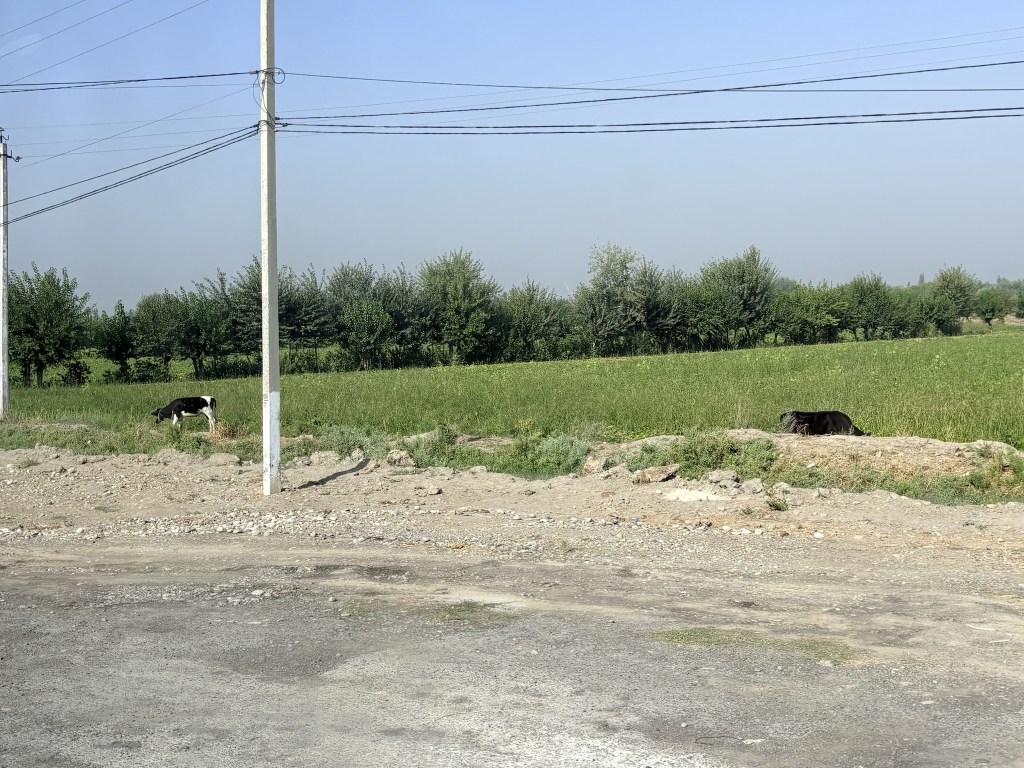
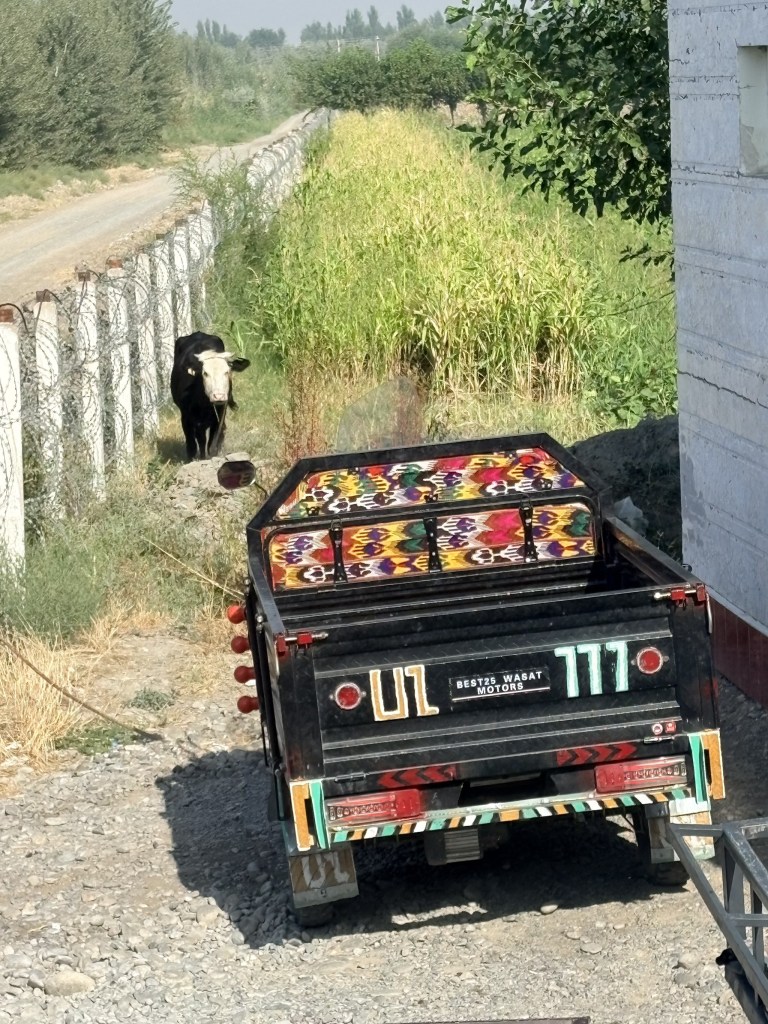
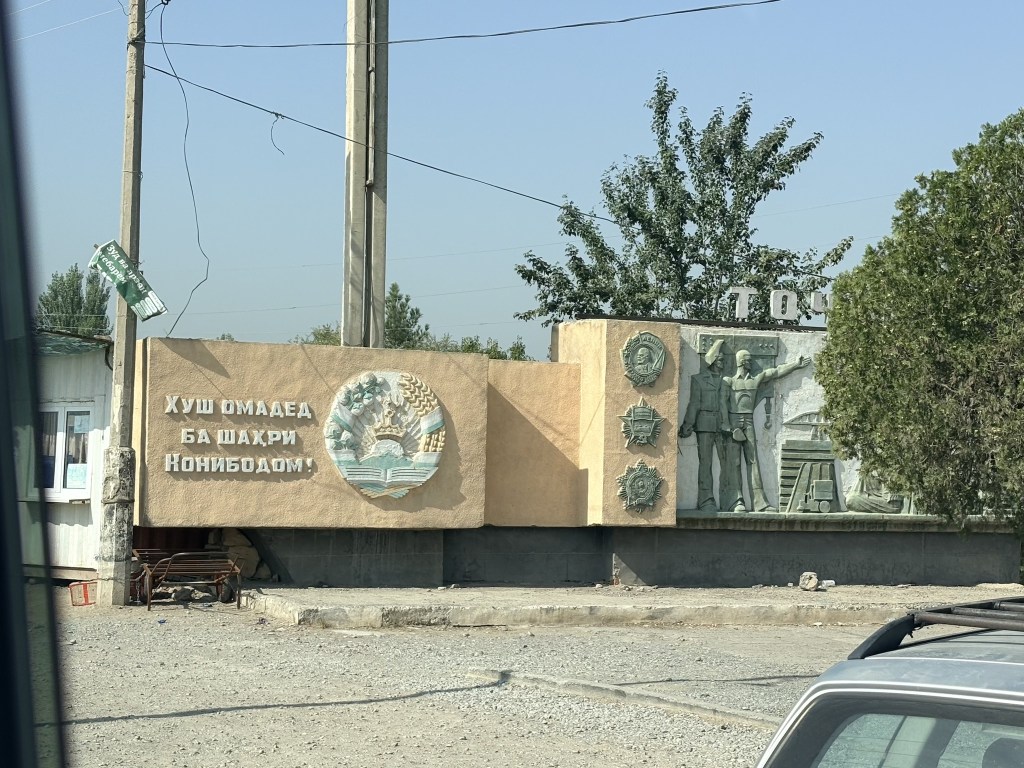
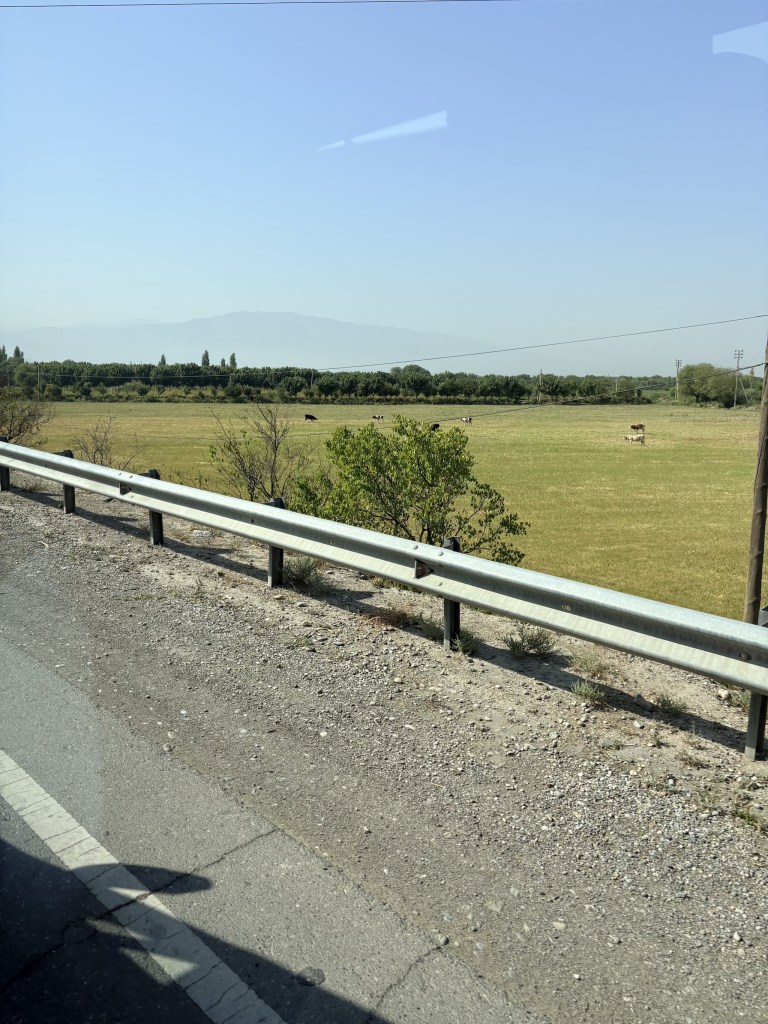
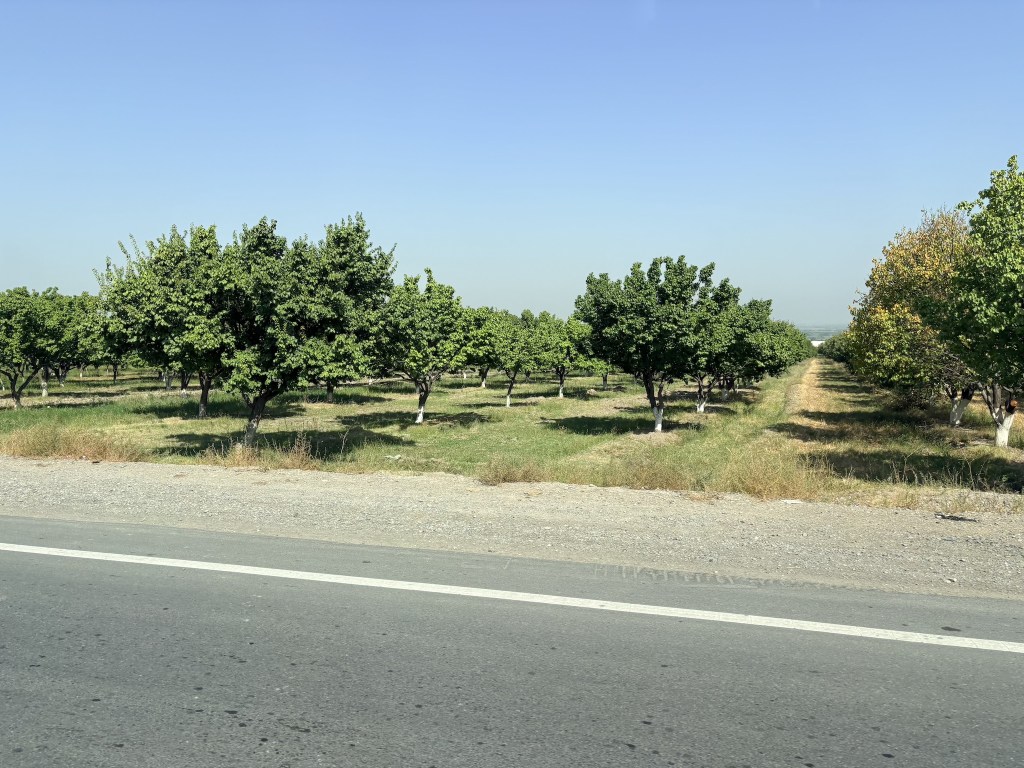

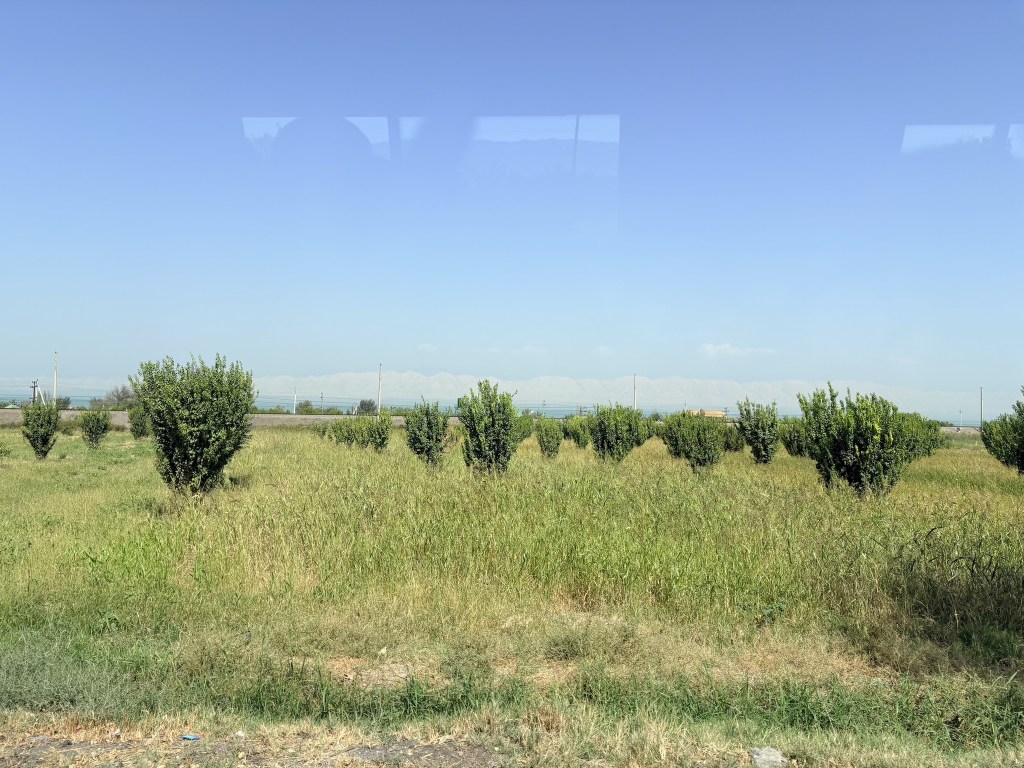
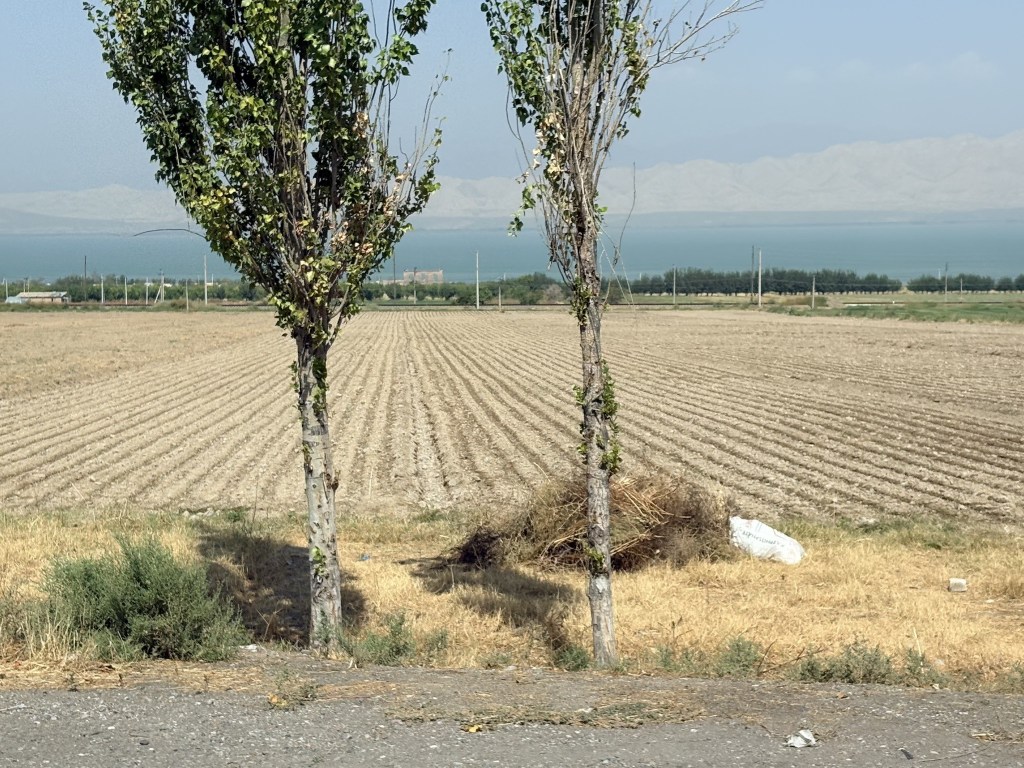
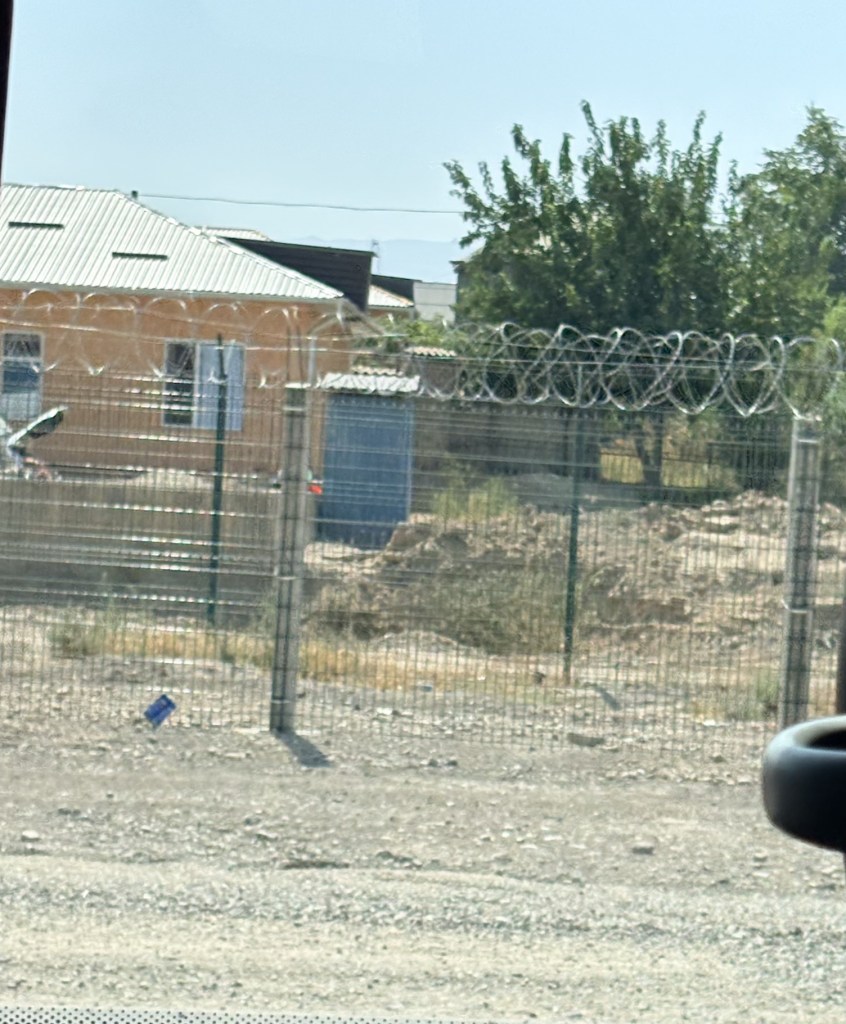
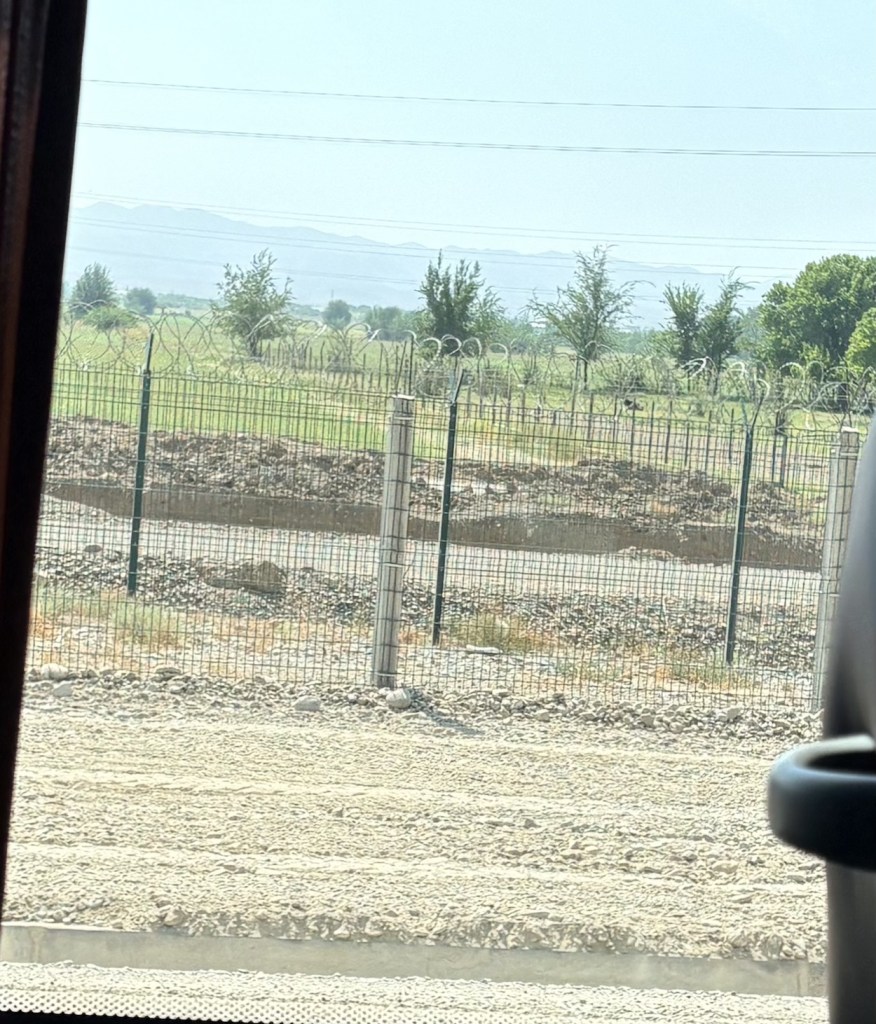
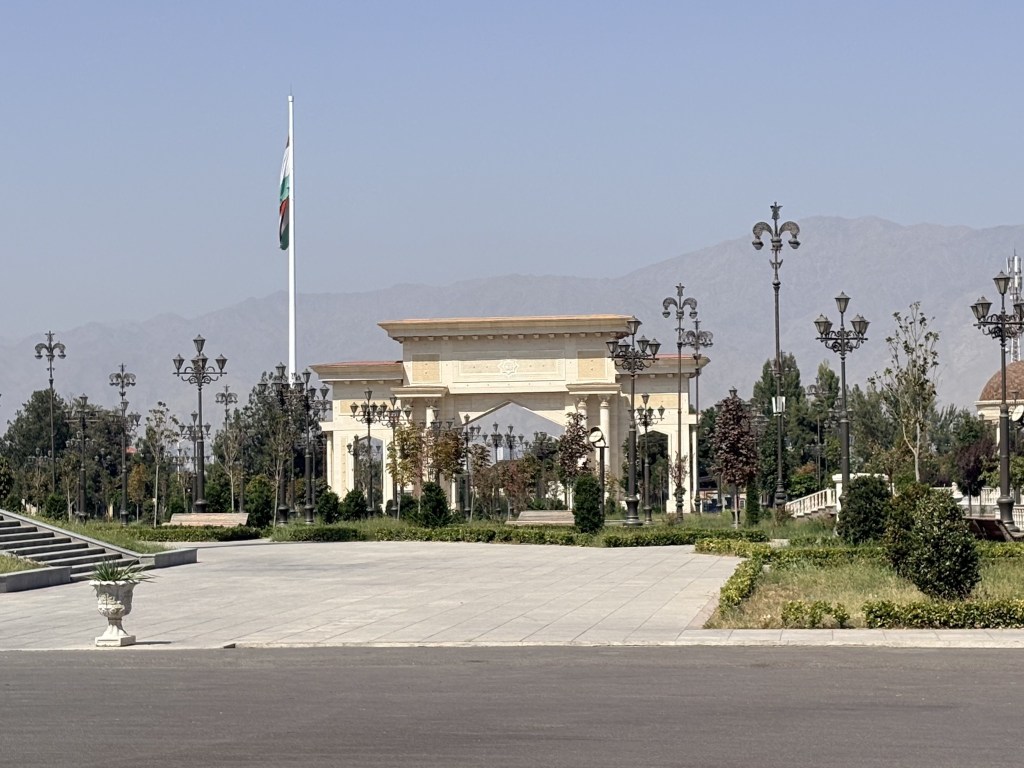
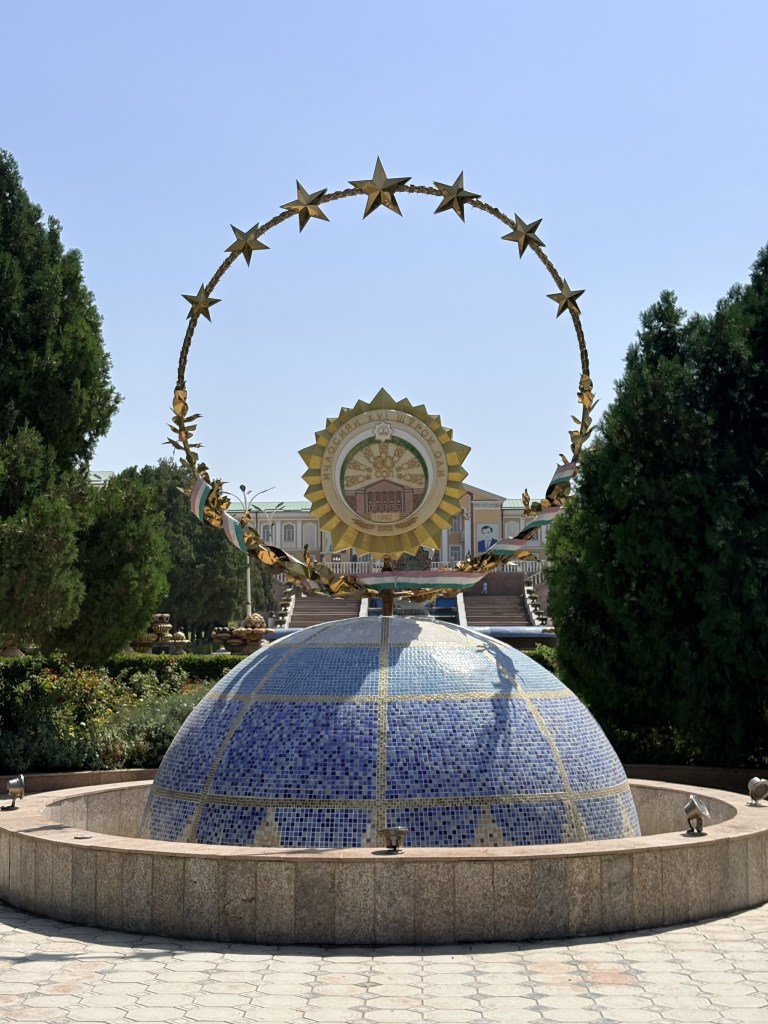
Explanation of September 2022
“One citizen took water and said it is mine. Another citizen said it is not your land. This sparked a border war. We smashed the Kyrgyz and now we are friends.”
Concert Hall
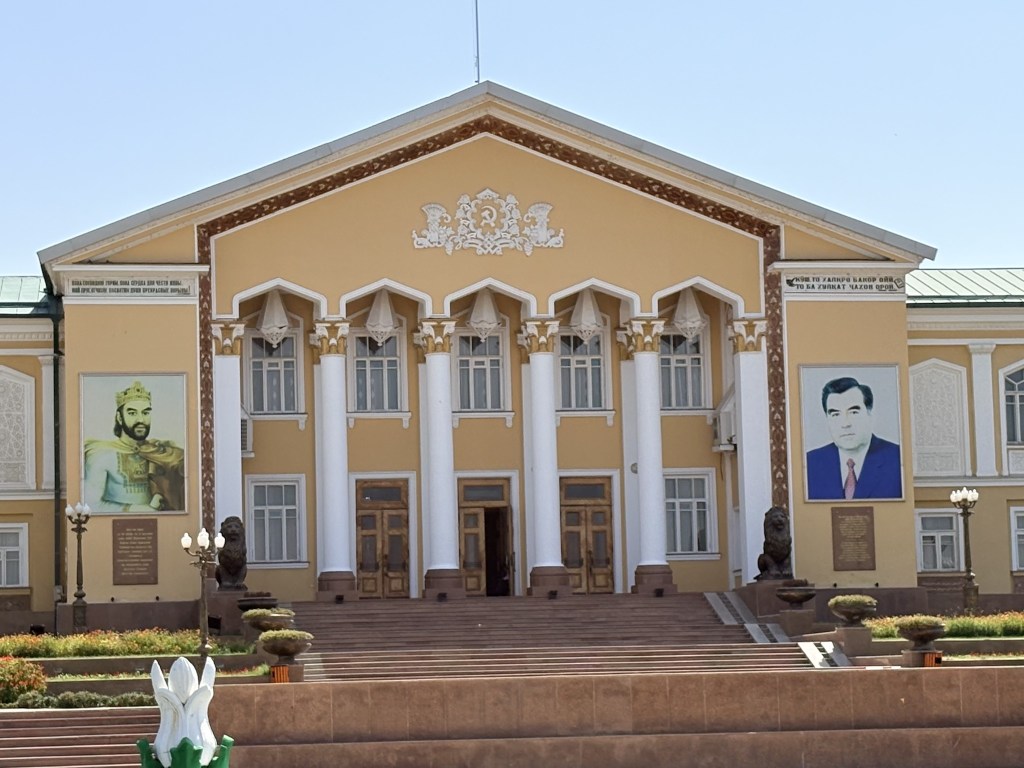
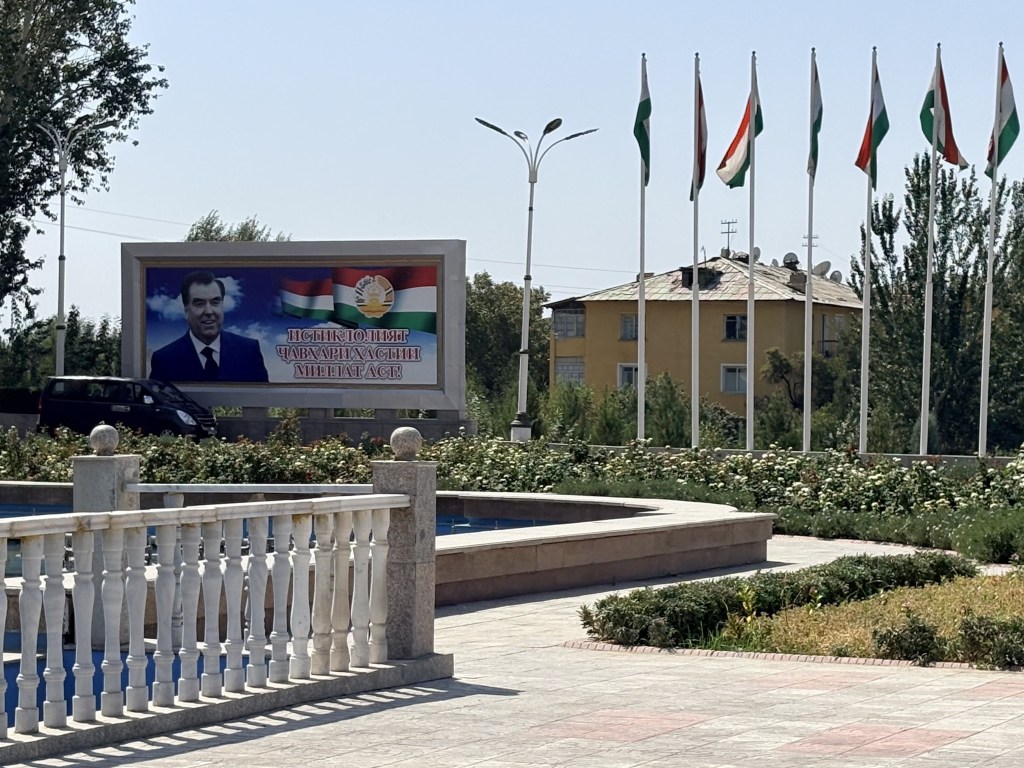
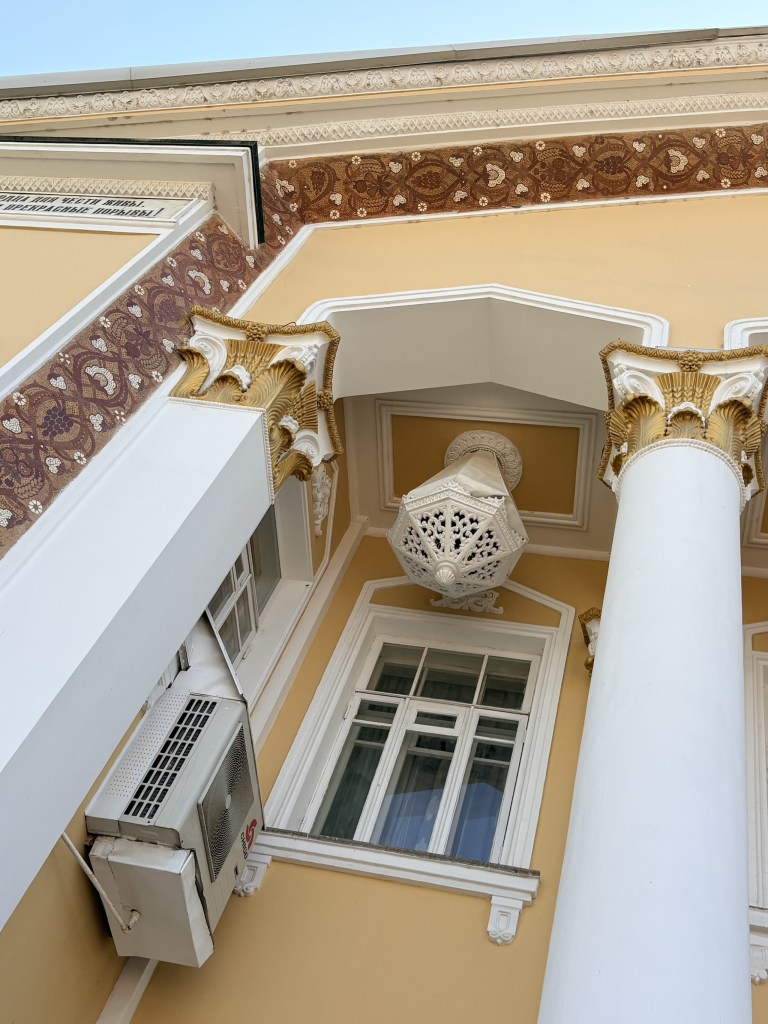
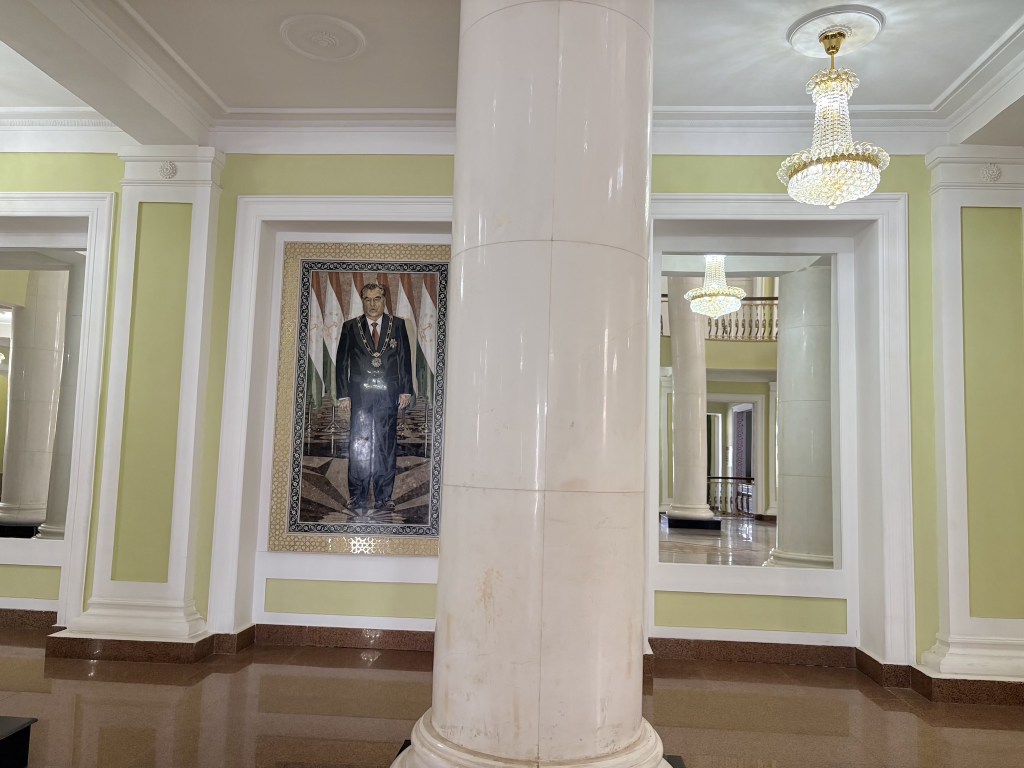
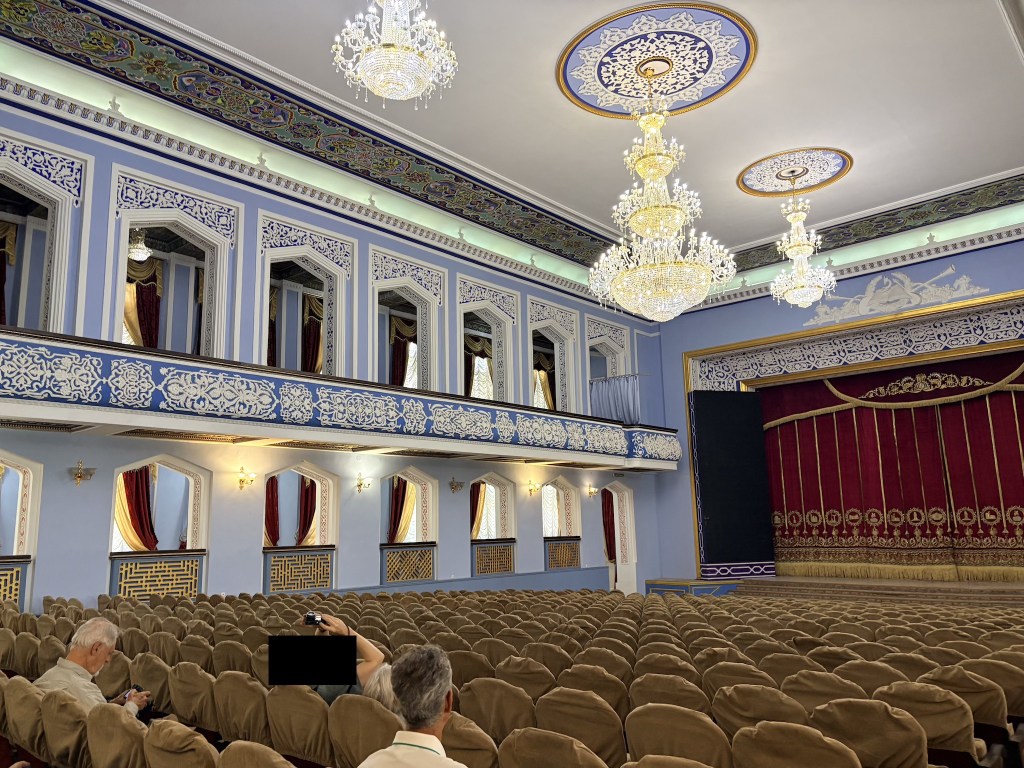
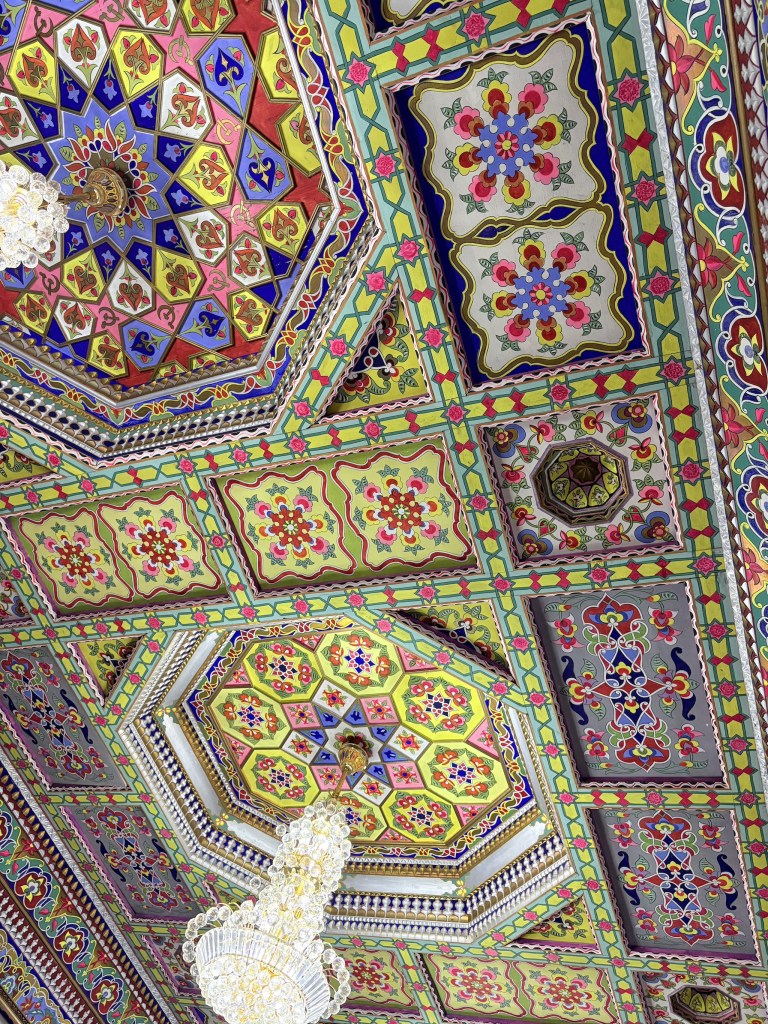
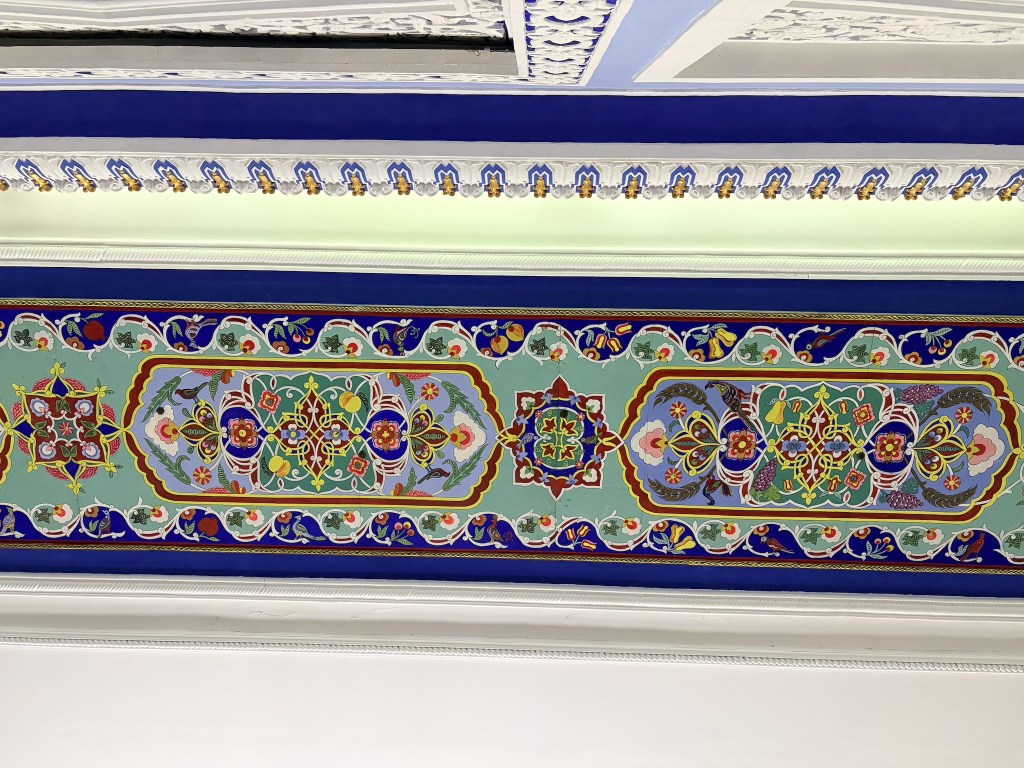
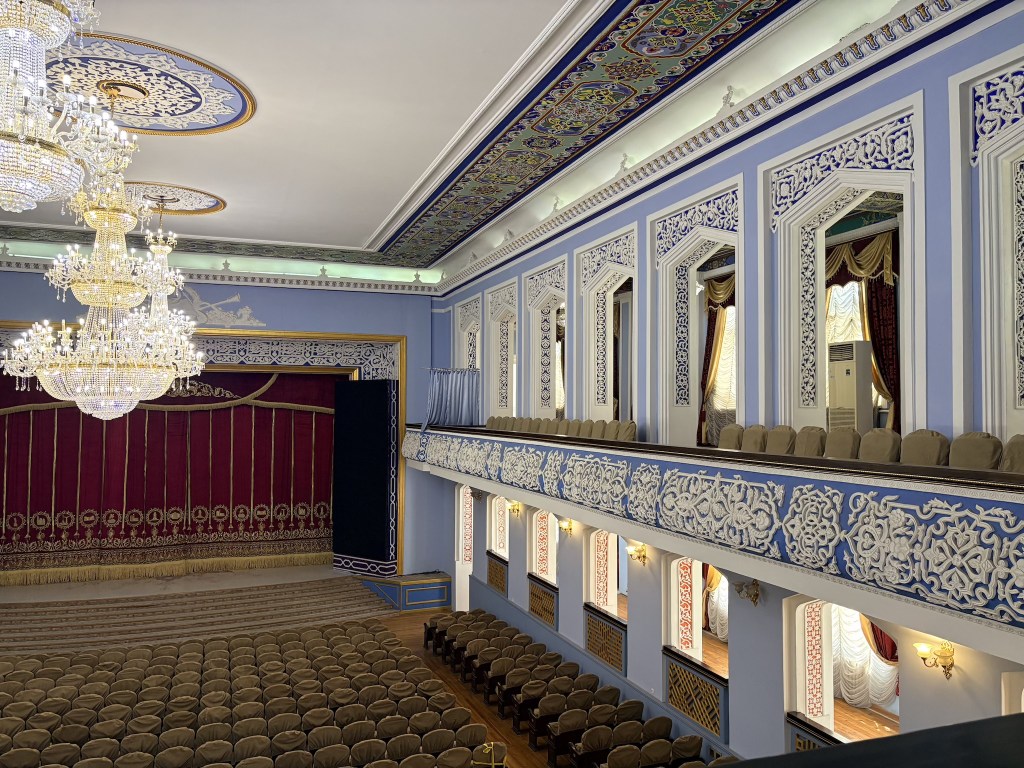
Built 1951. Stalin invited farmers to Moscow and St Petersburg. They were inspired to build this when they returned. The purpose is entertainment and relaxation. No flower is repeated in the design. The portraits are of Iranian King Solmoni (when was all one kingdom) and the current president of Tajikistan, Emomali Rahmon.
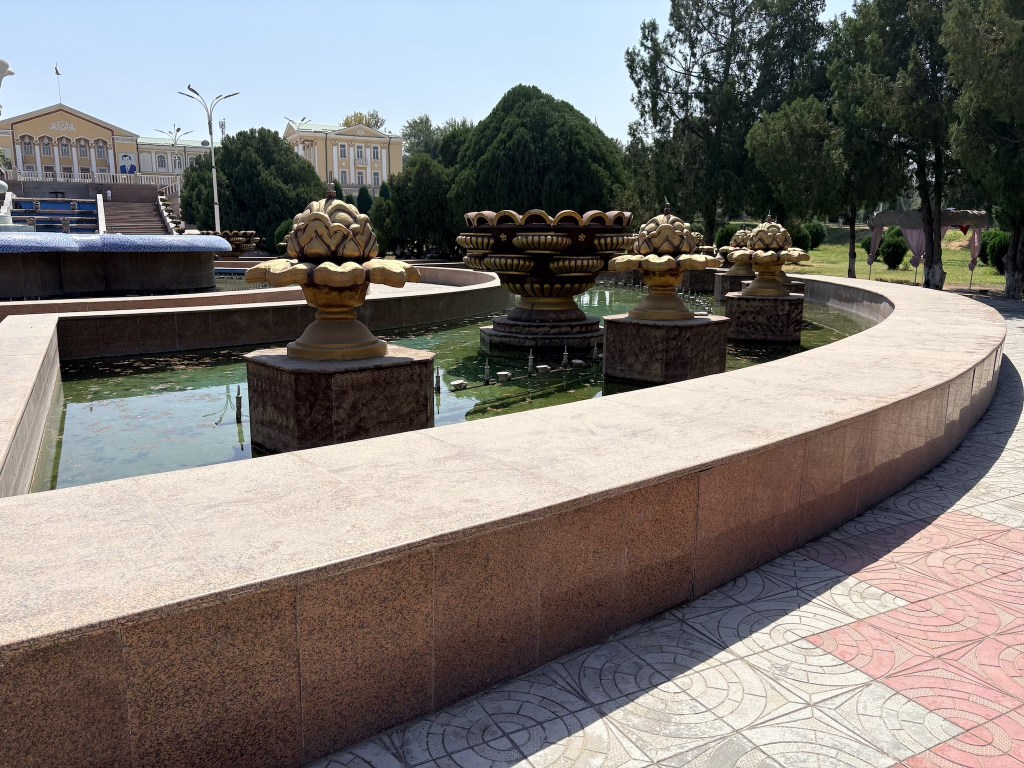
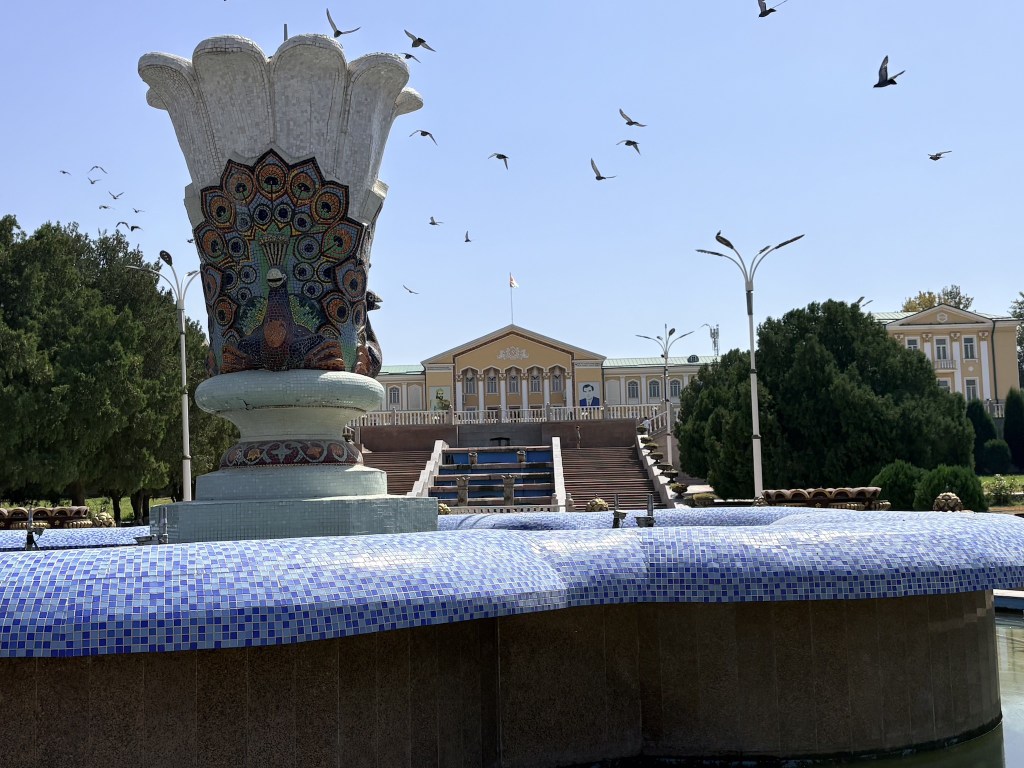
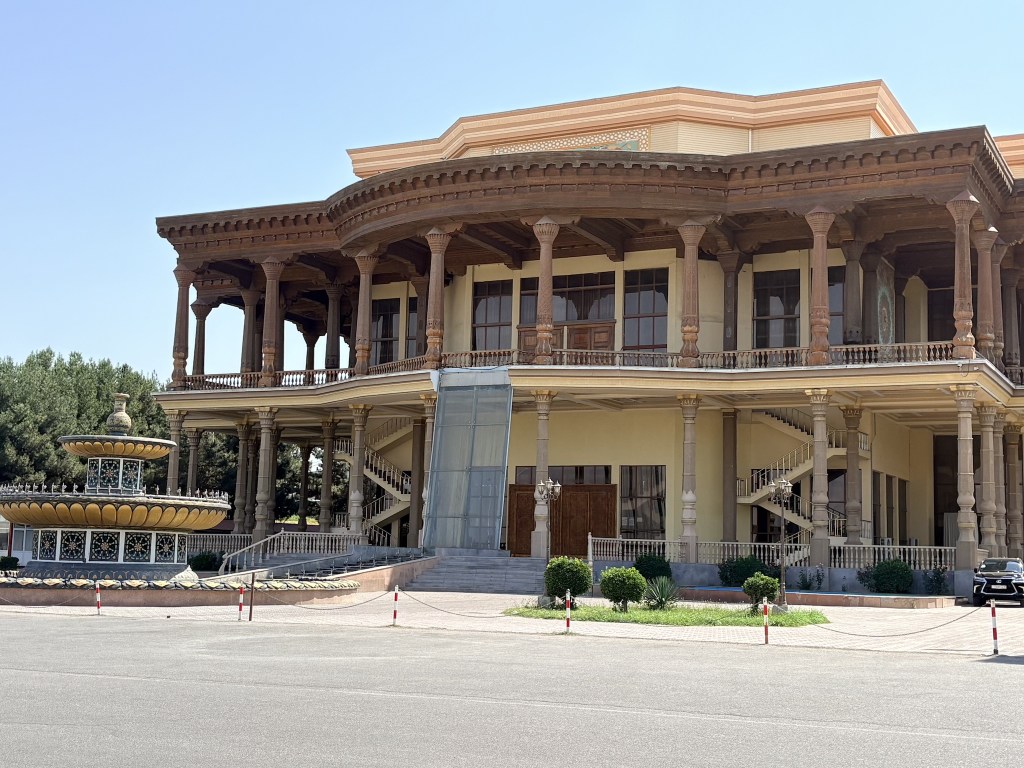
Arbob Cultural Palace
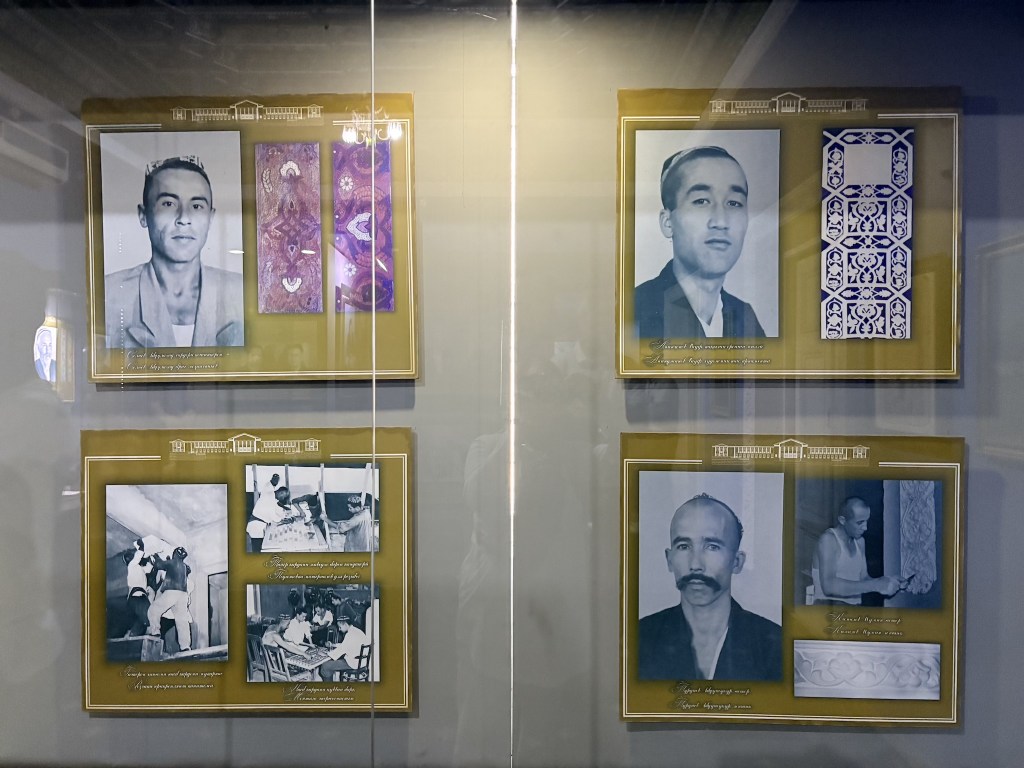
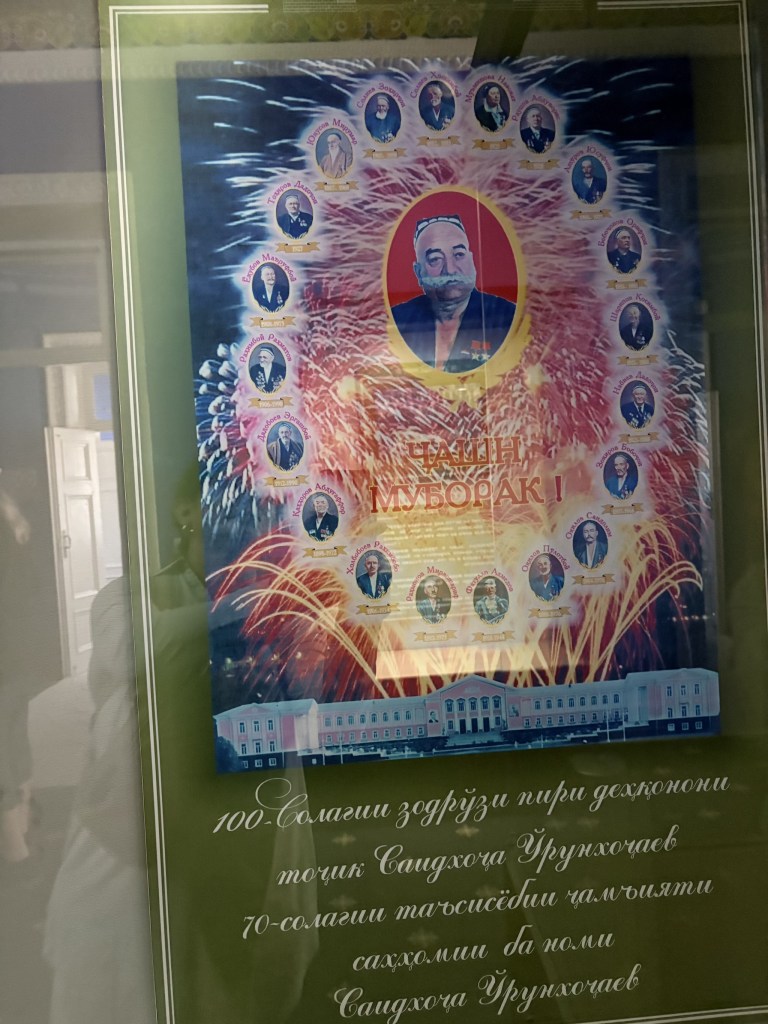
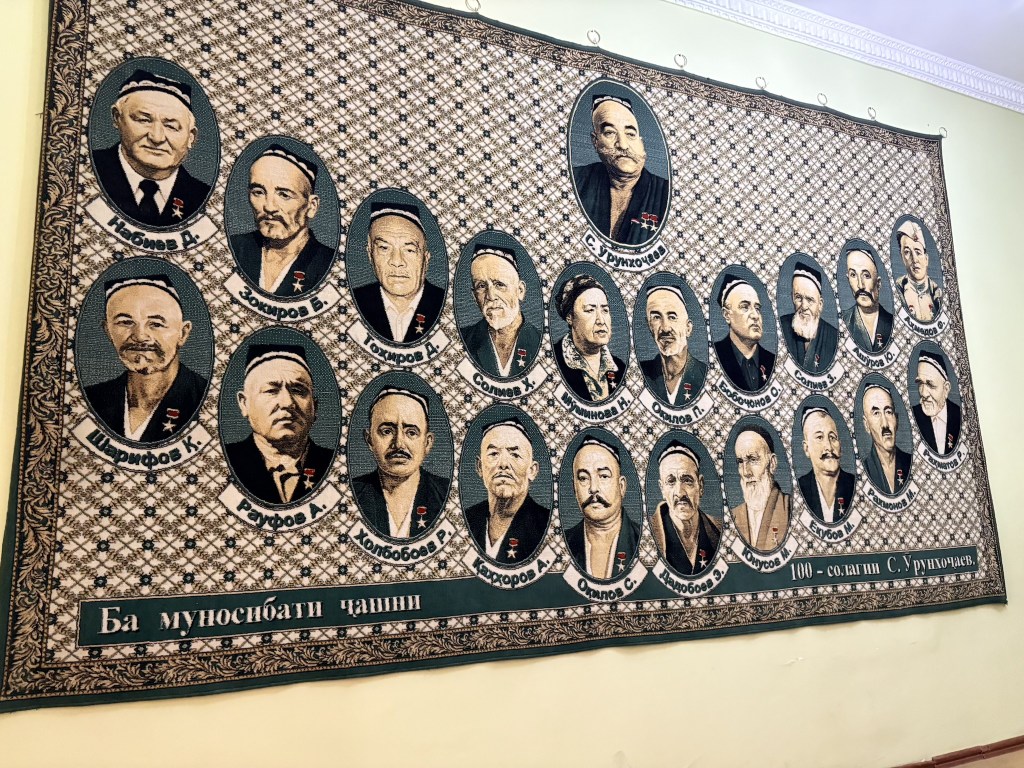
Built to replicate Peter The Great’s palace in Leningrad, it was originally red (Soviet) now re-painted yellow. The artisans specifically requested their photos be displayed.
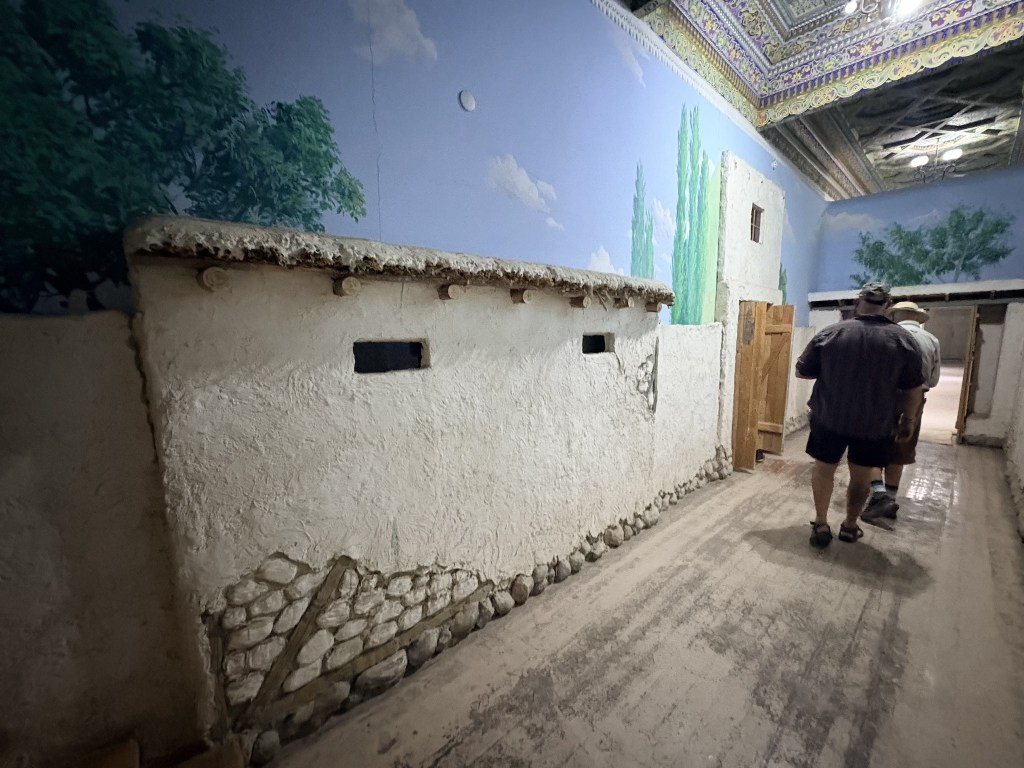
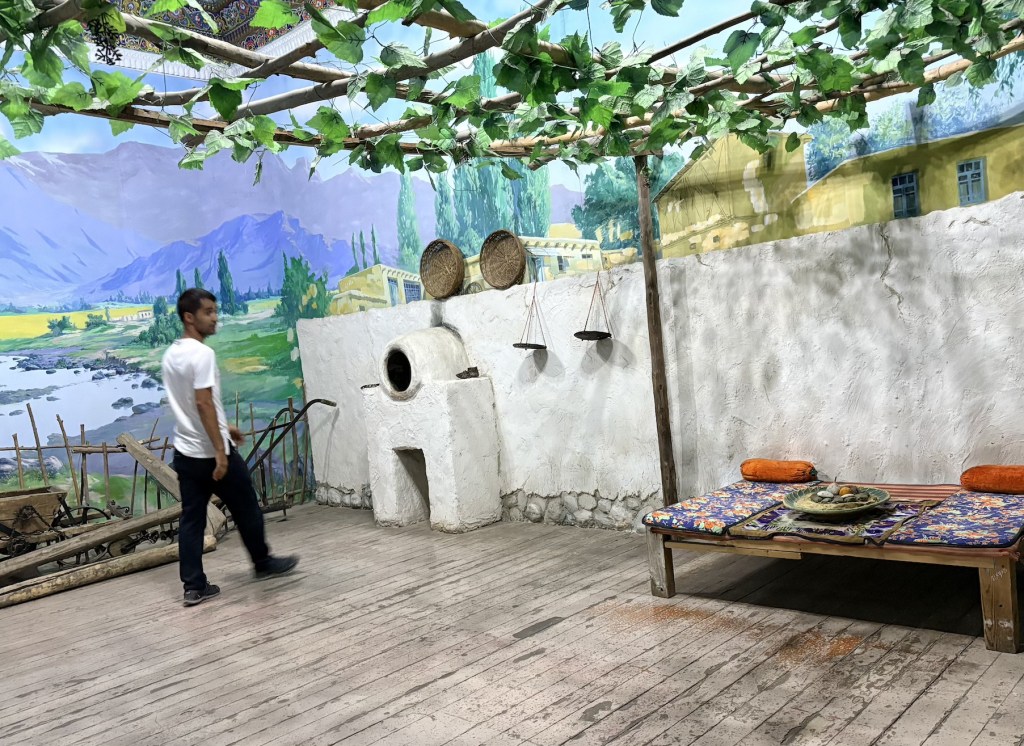
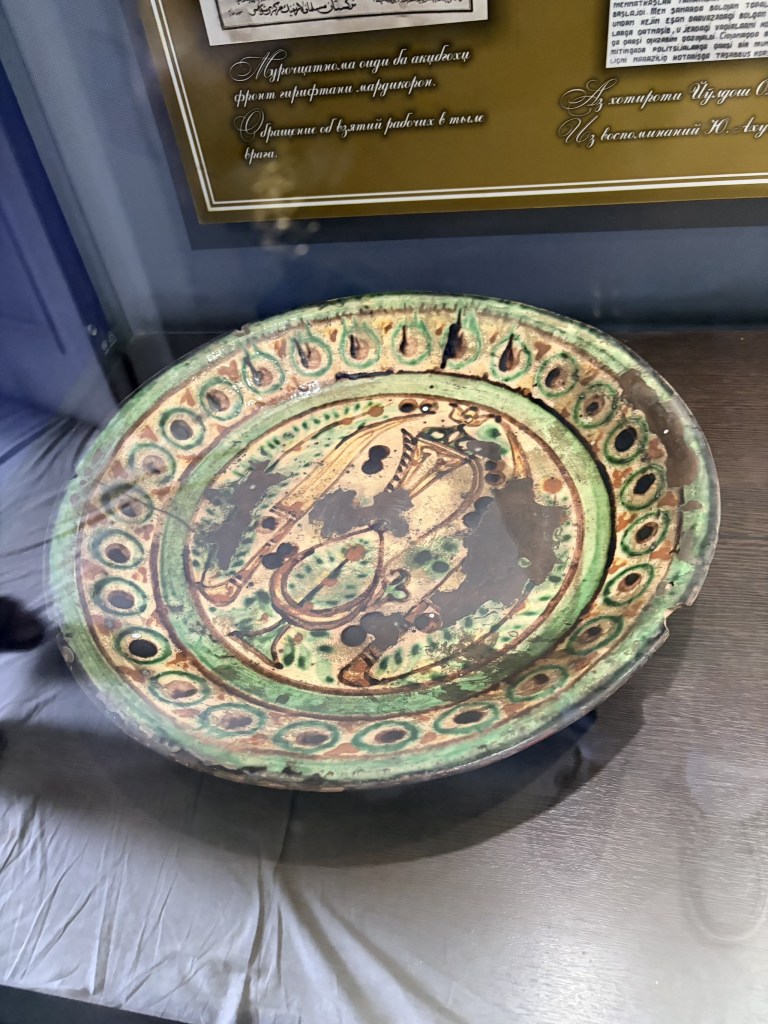
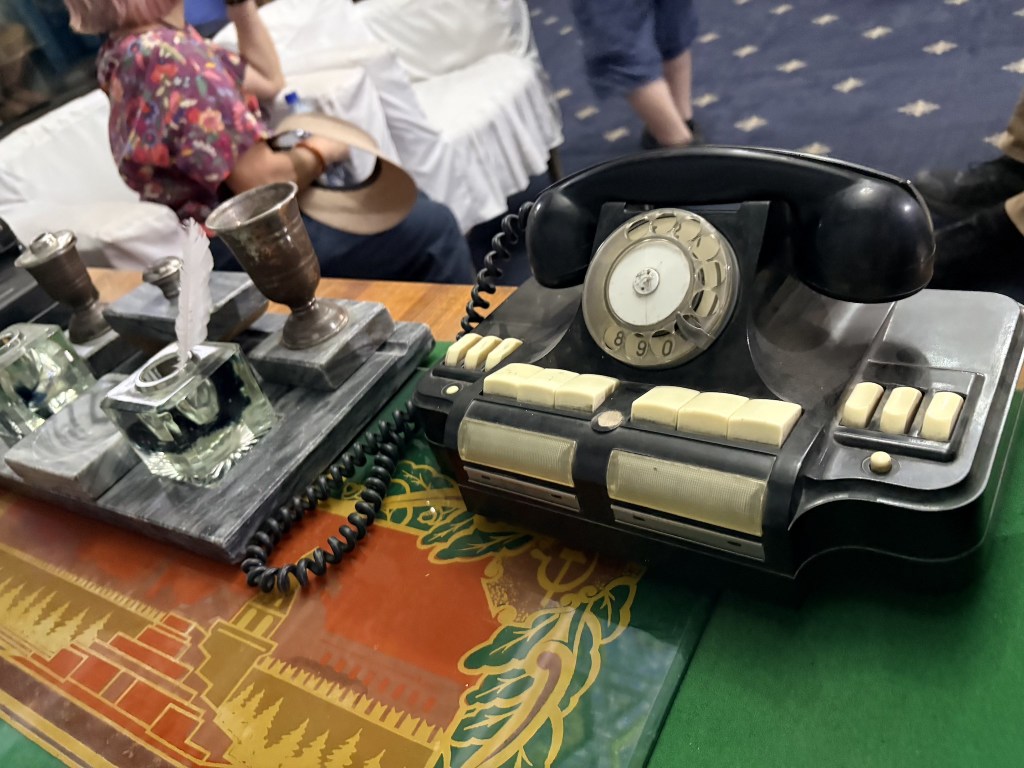
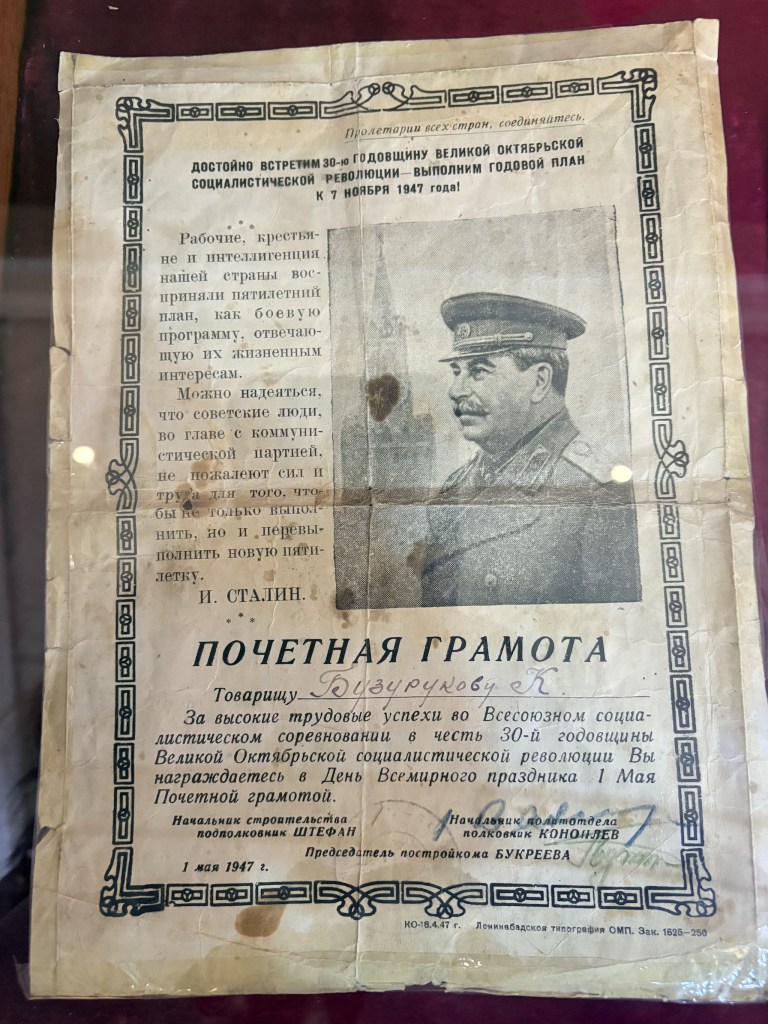
We spent time in “The hall dedicated to the life and work of twice hero of socialistic labor, Saidkhoja Urunkhojaev.”
One placard read “The hall of the Great Patriotic War is dedicated to the contribution of the collective farmers in the victory of the Great Patriotic War 1941-1945”
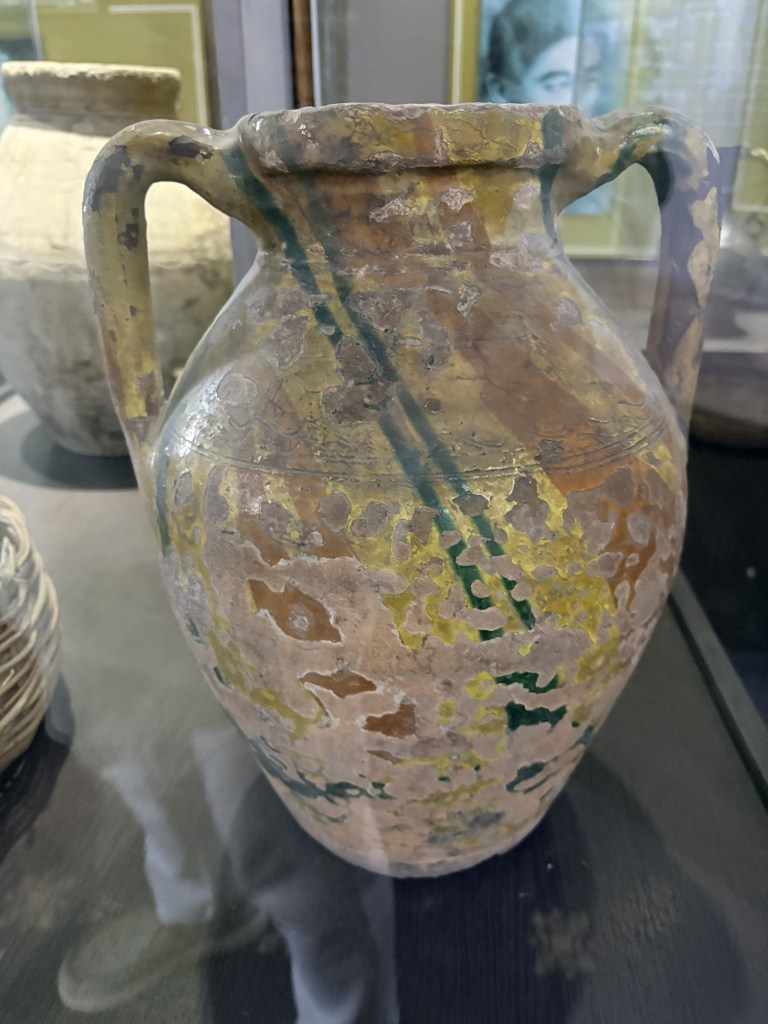
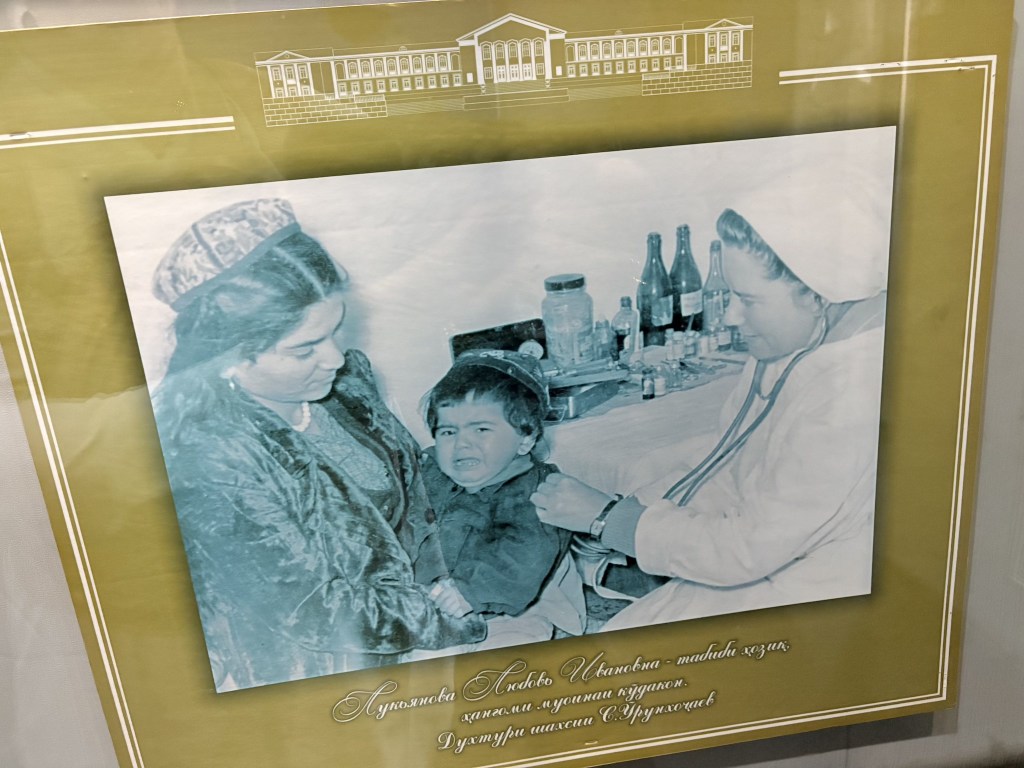
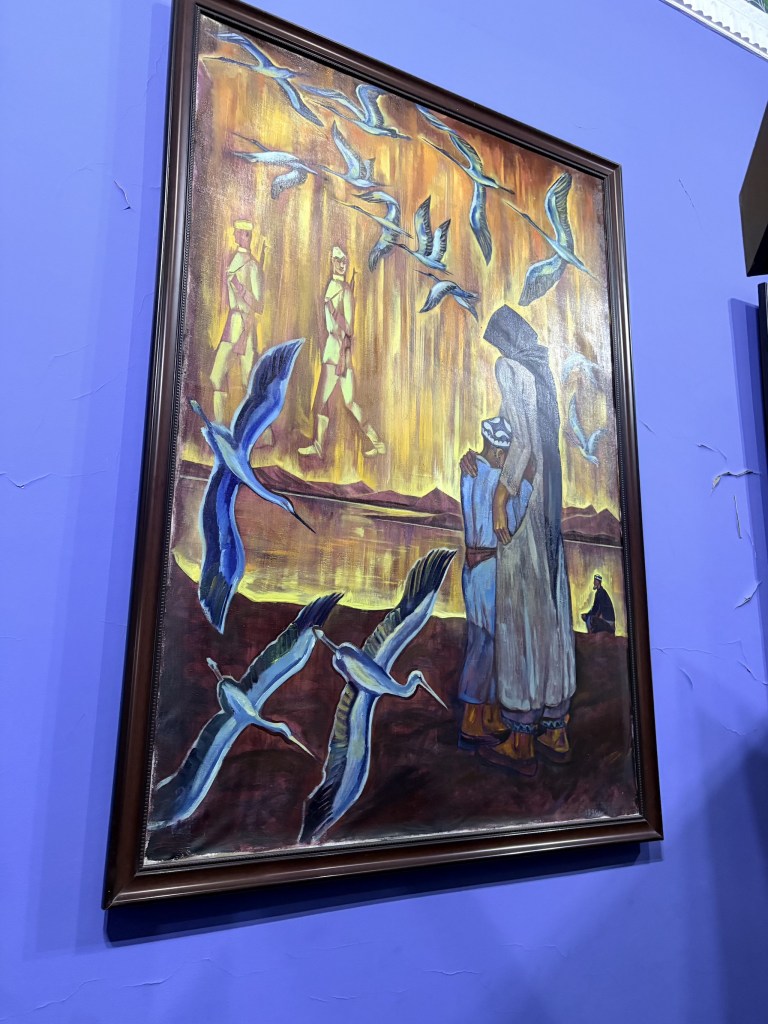
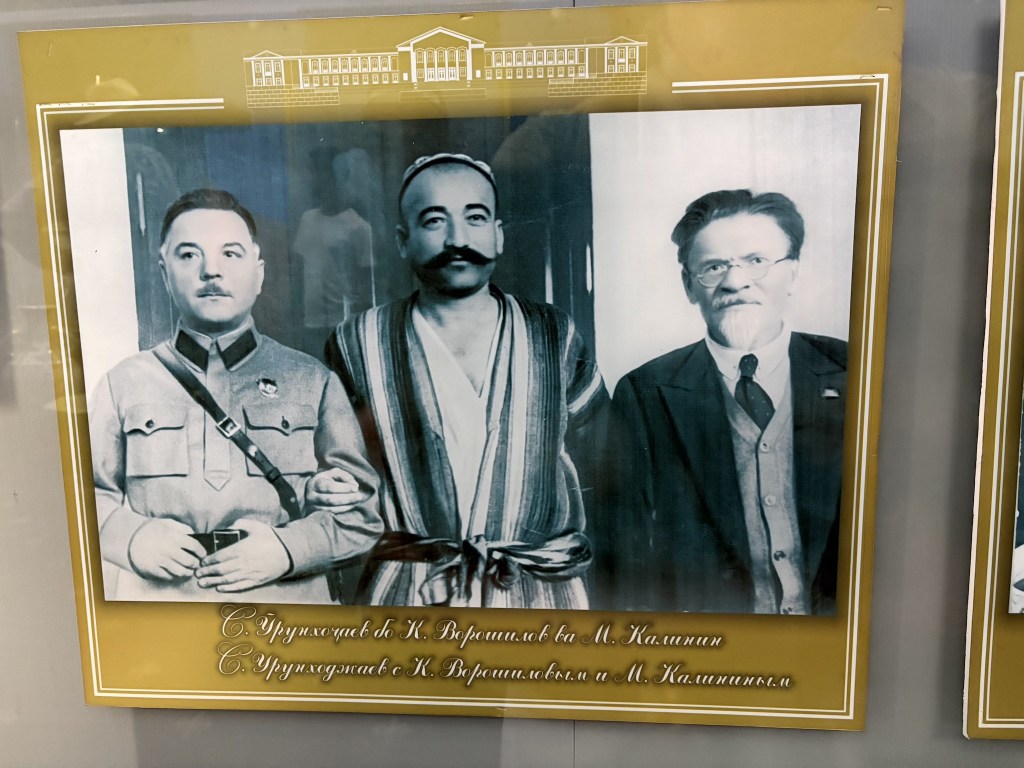
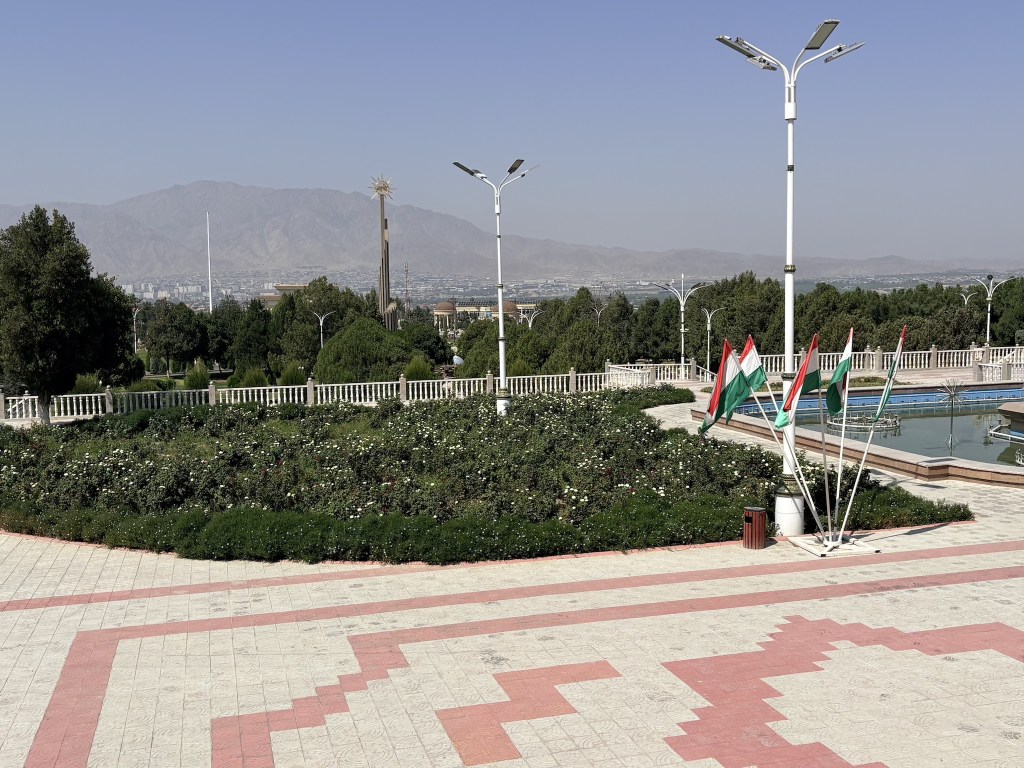
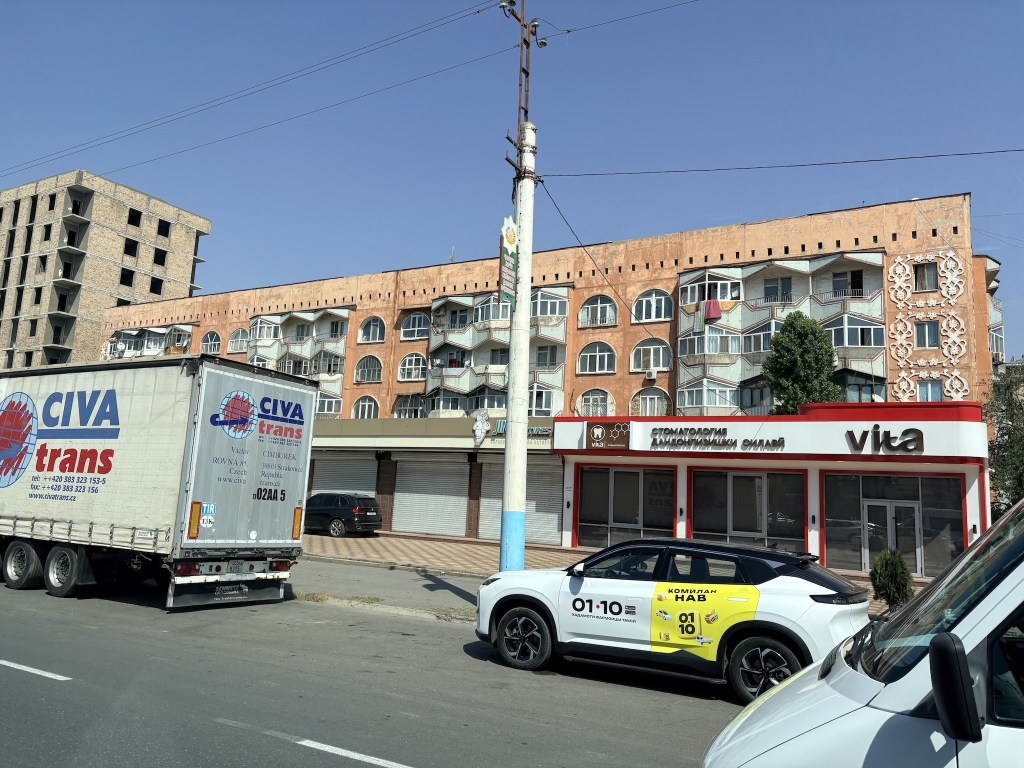
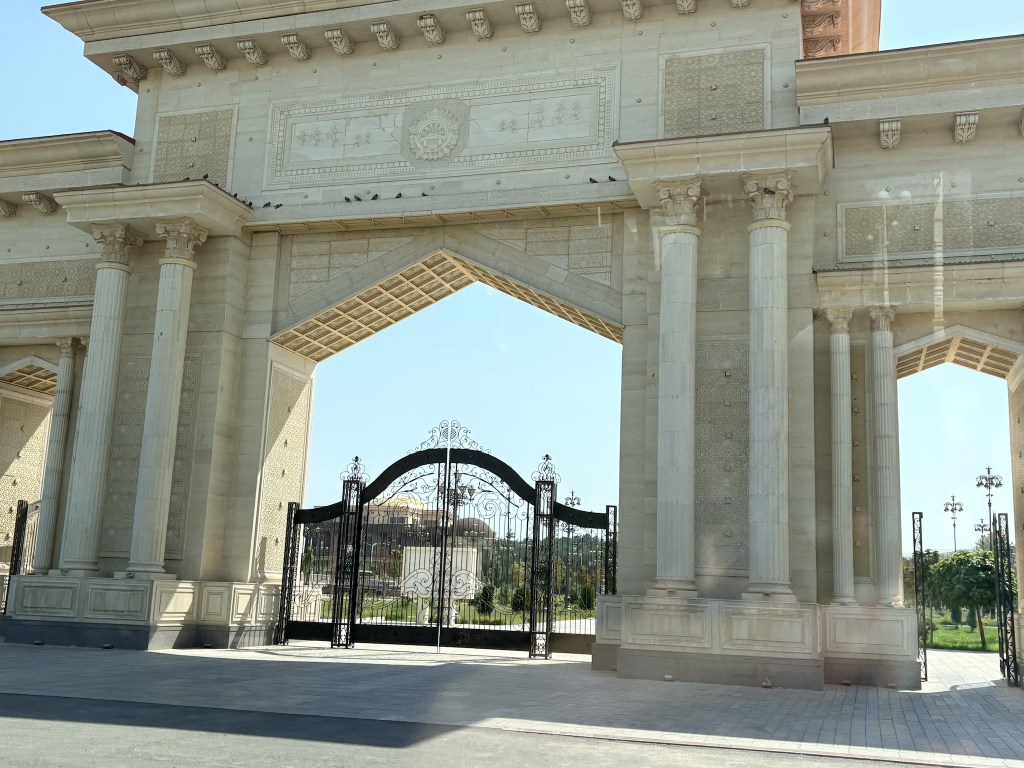
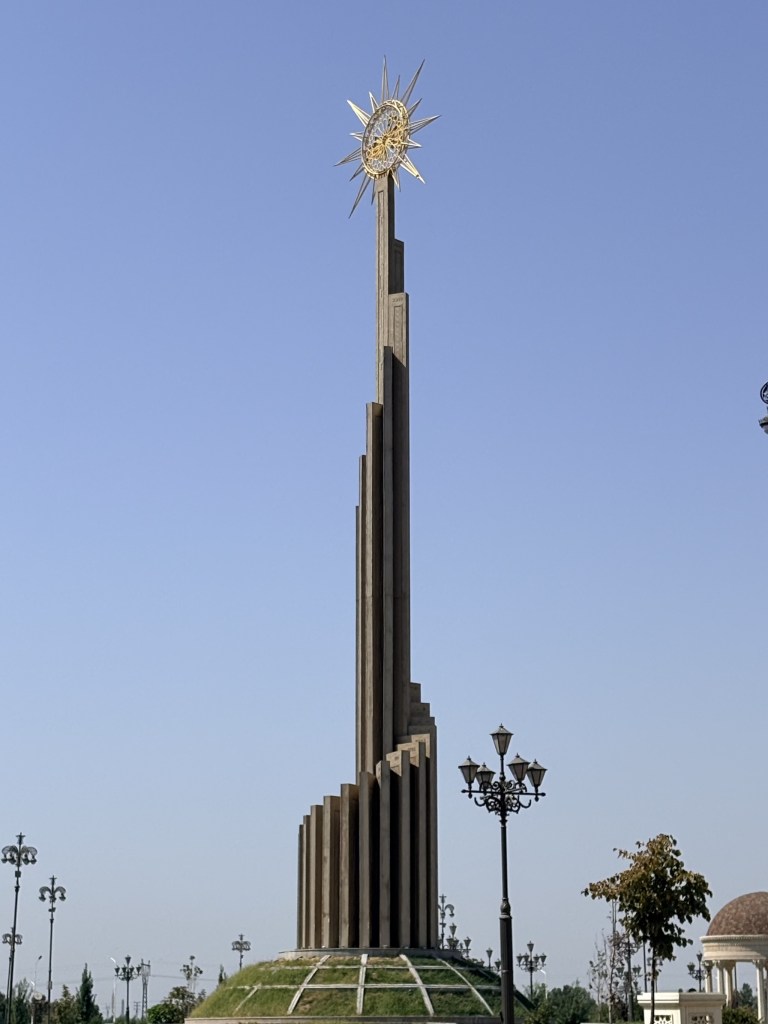
Sites while driving to lunch
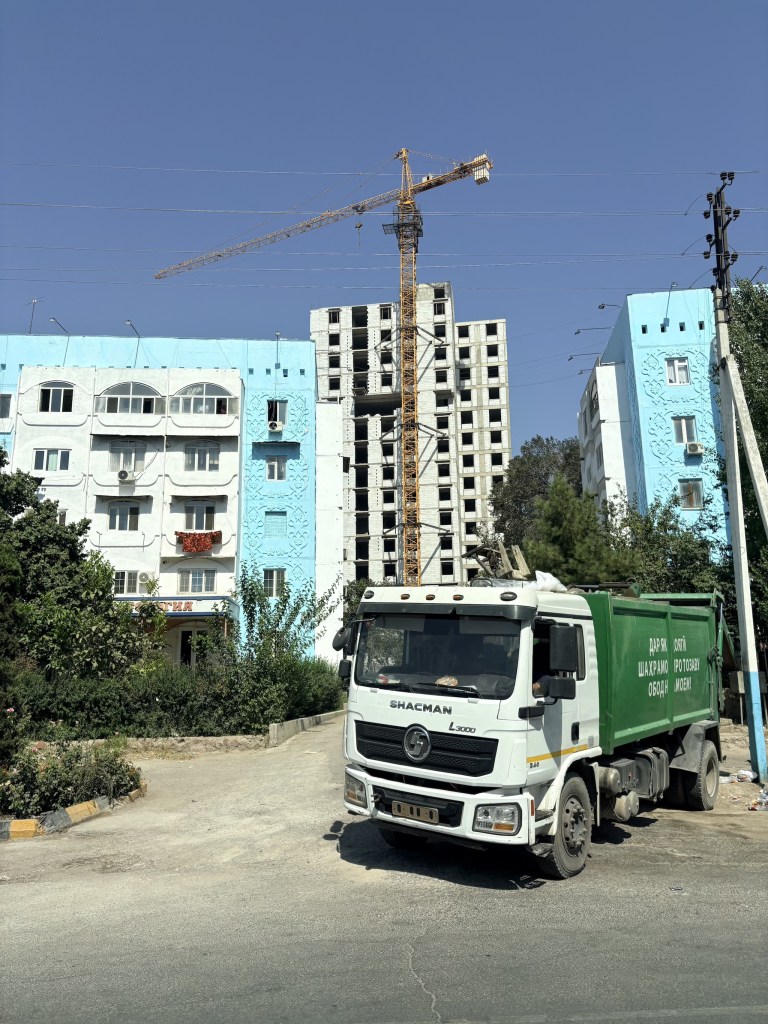
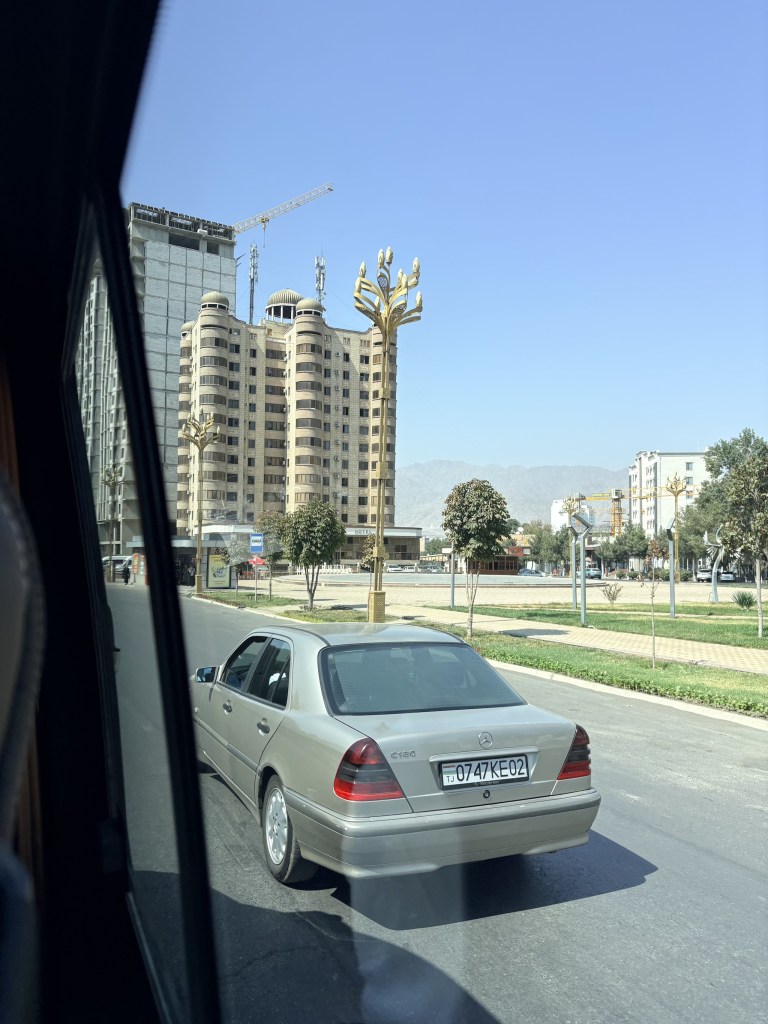
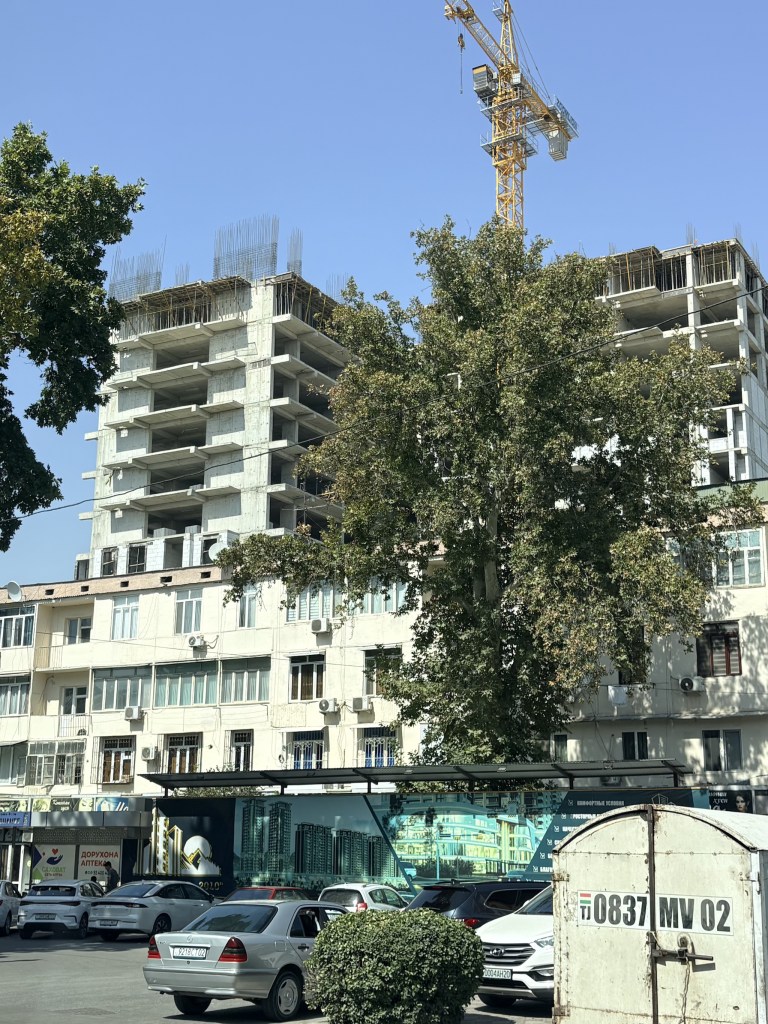
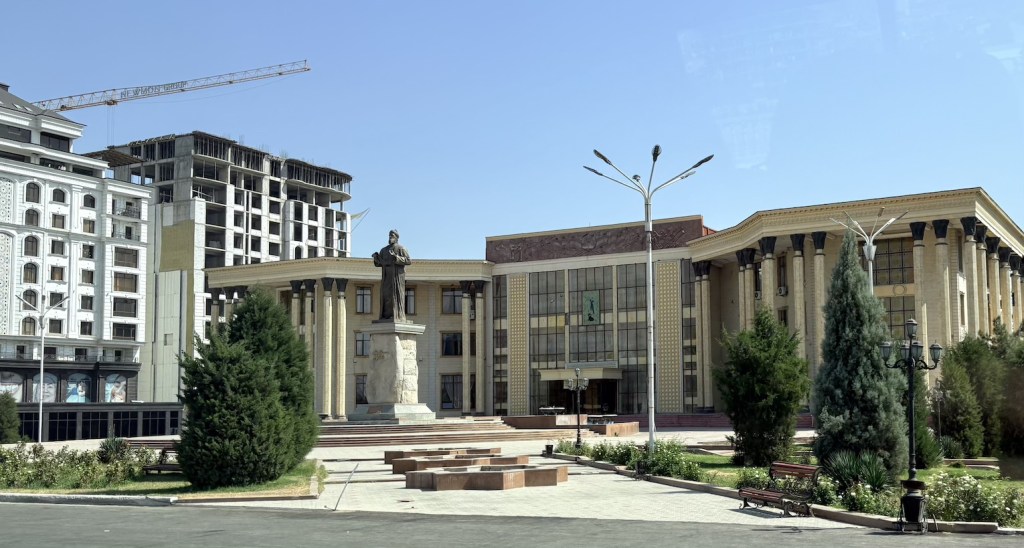
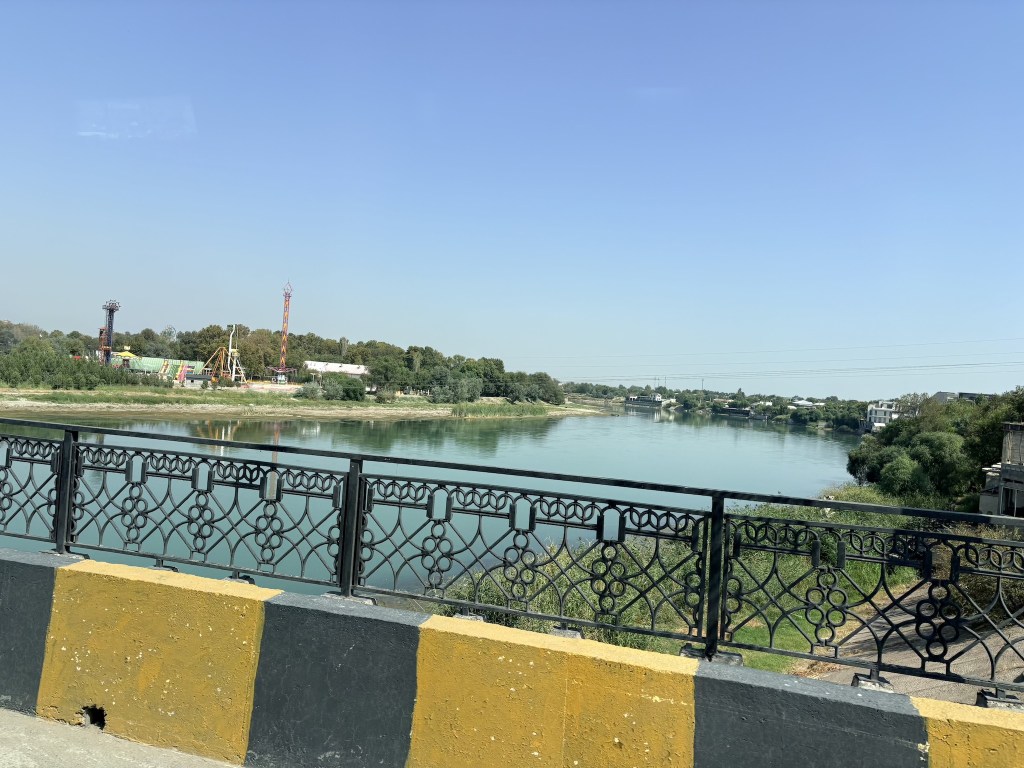
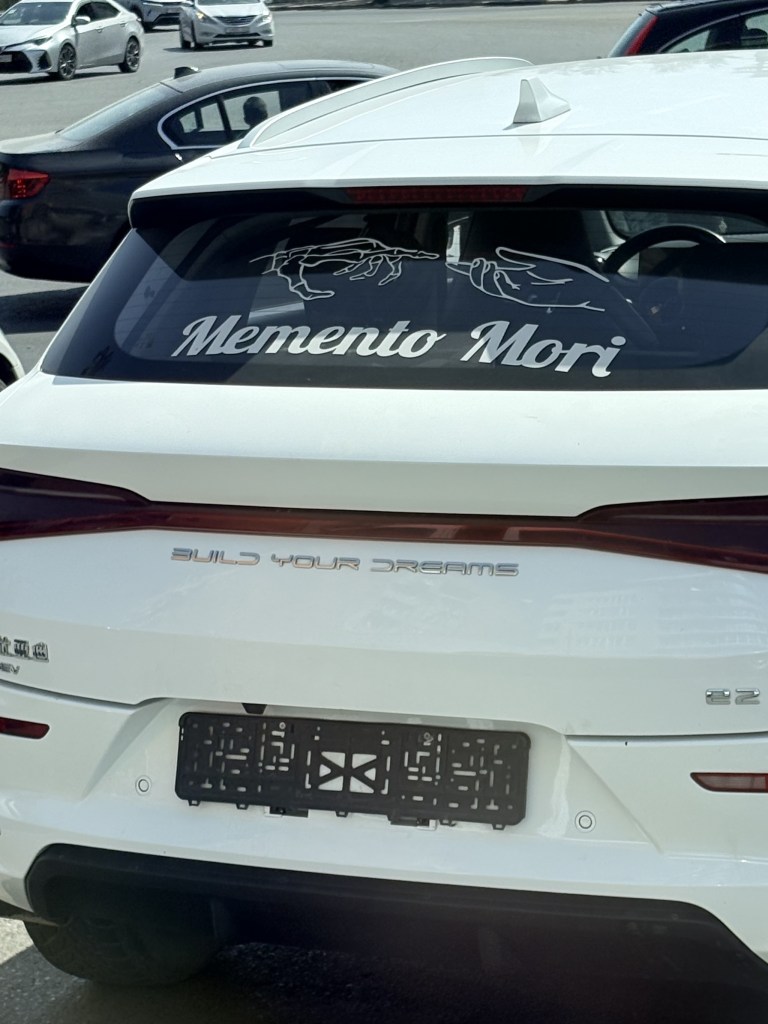
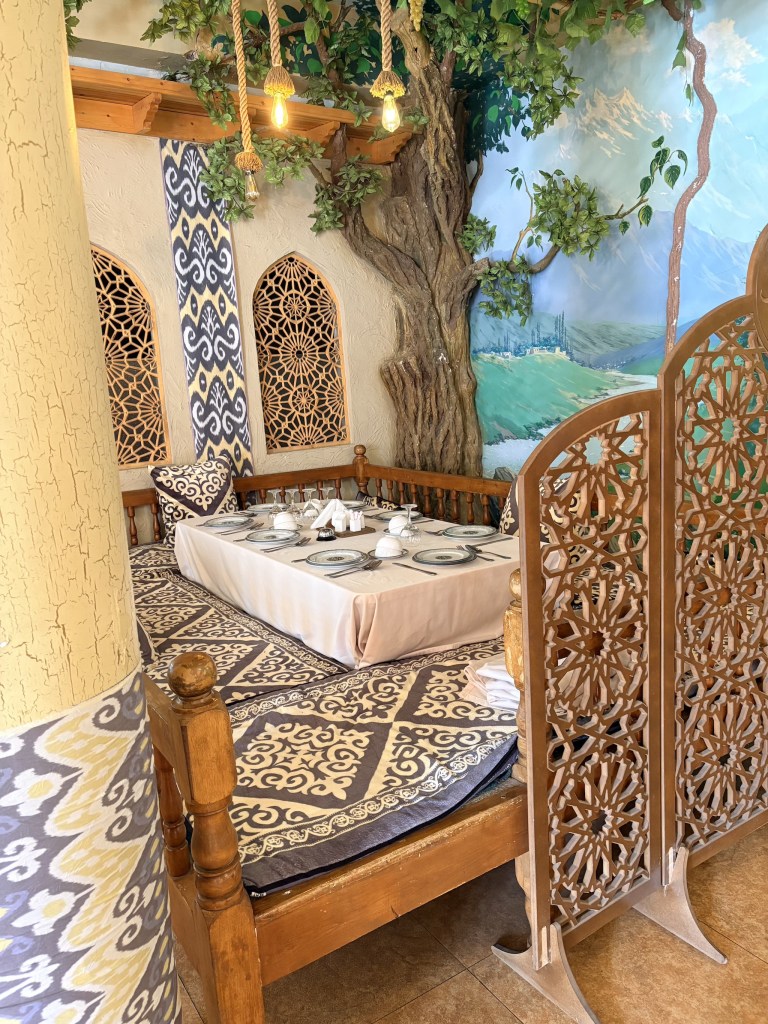
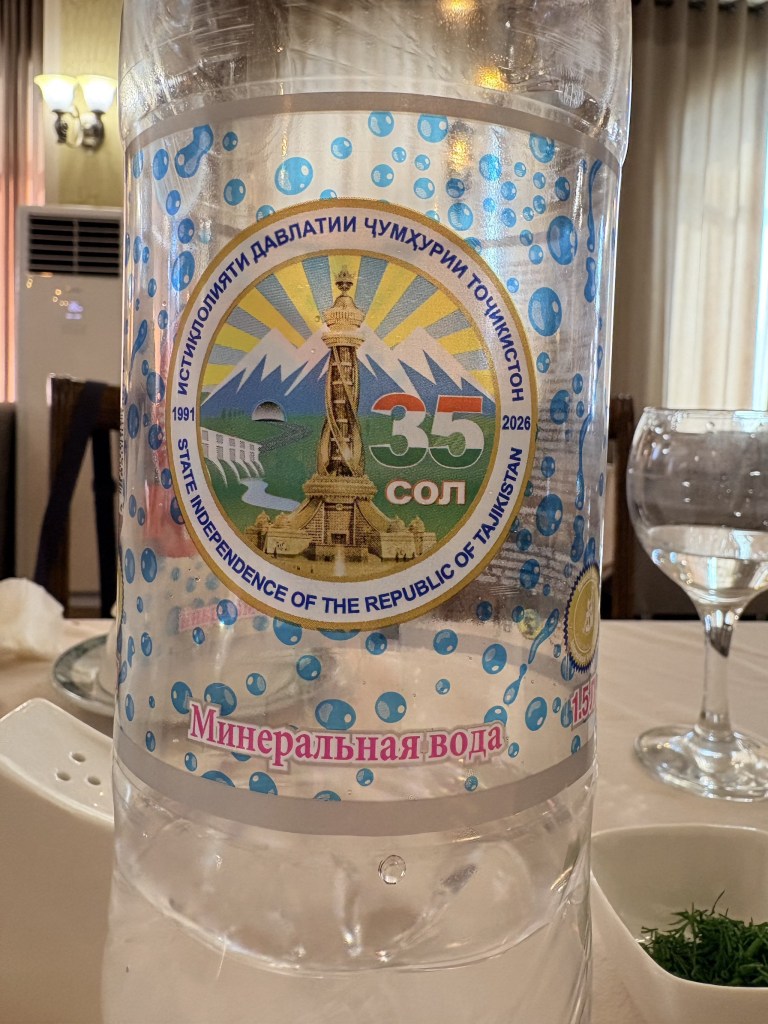
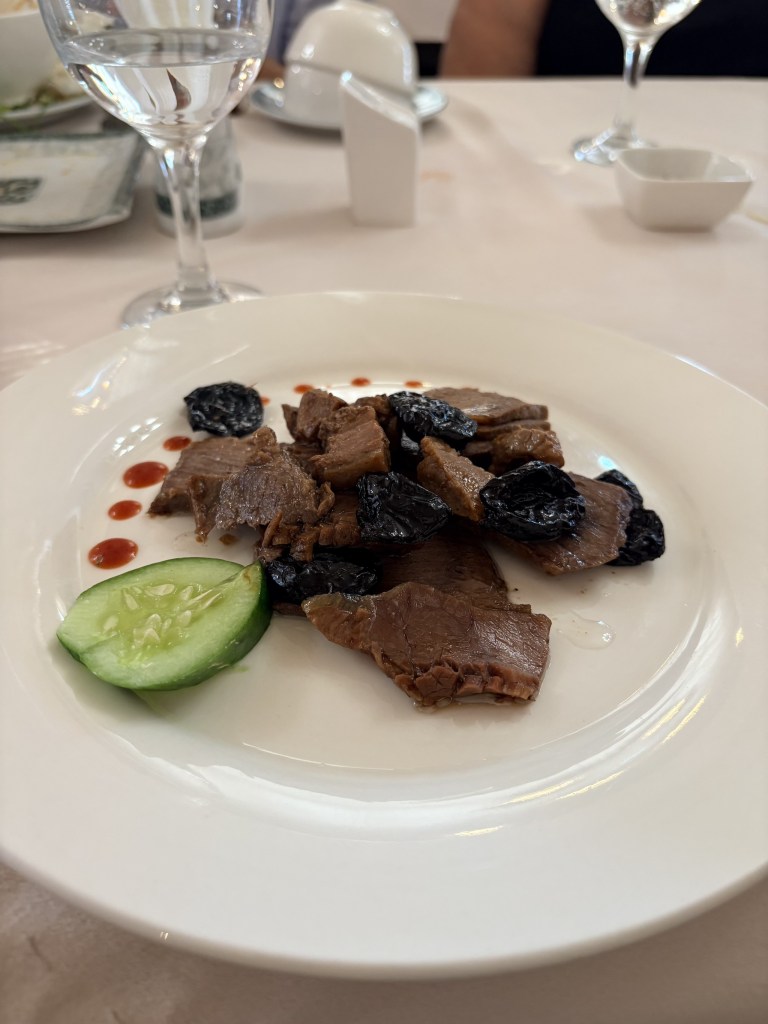
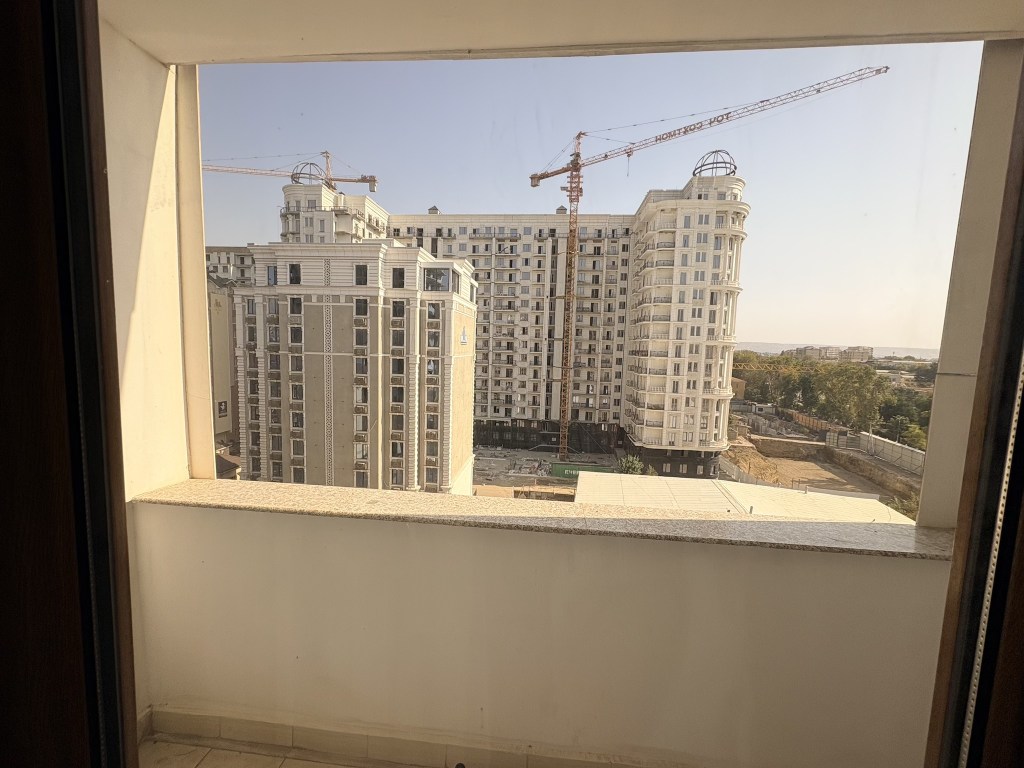
Drive to the hotel
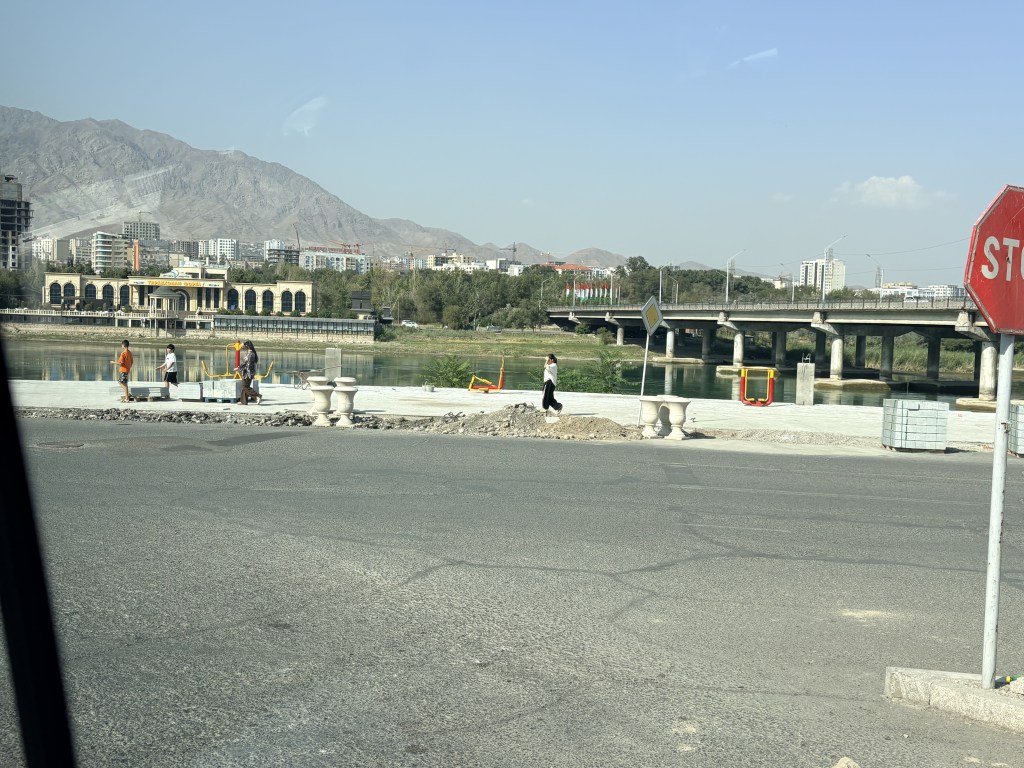
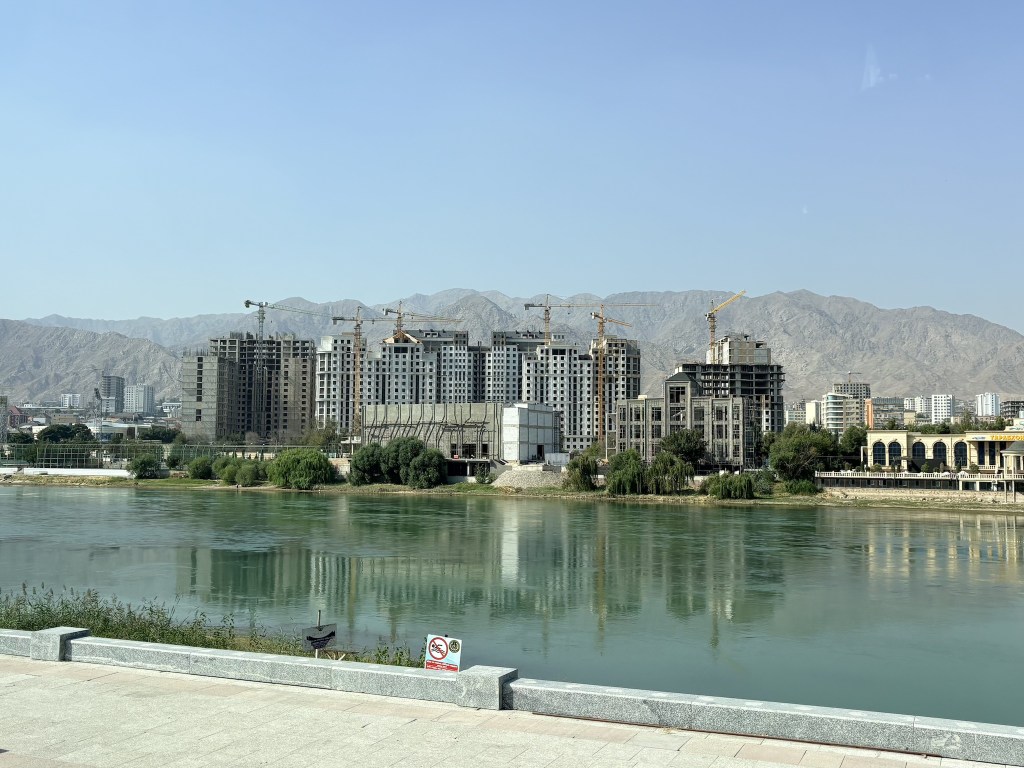
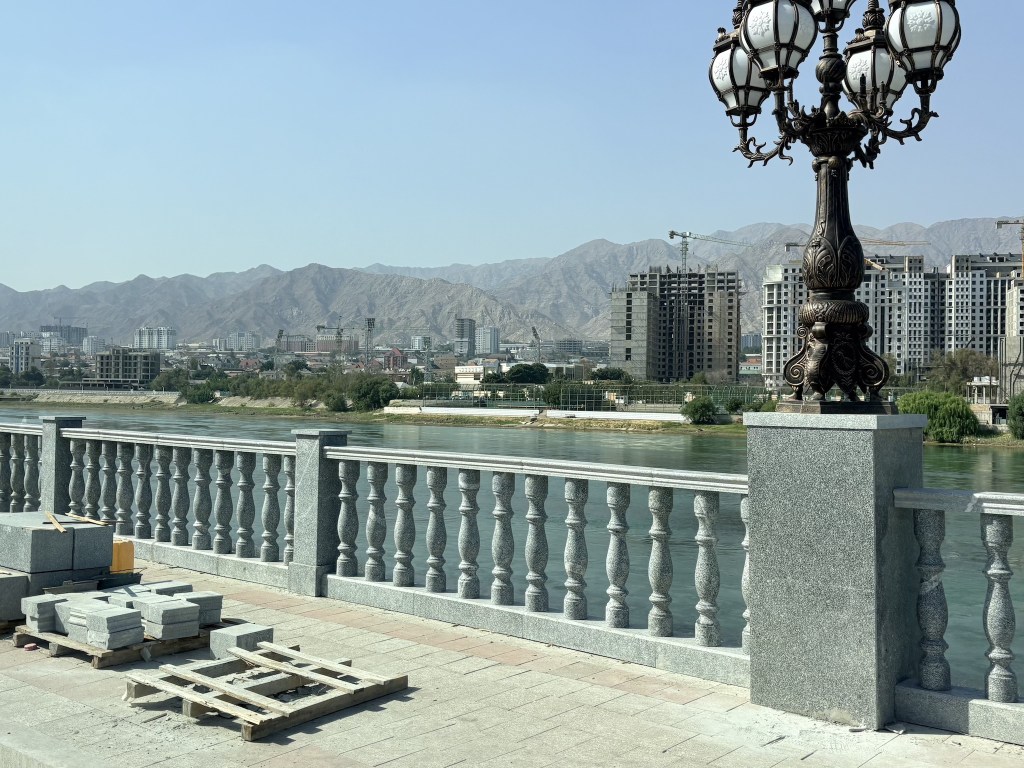
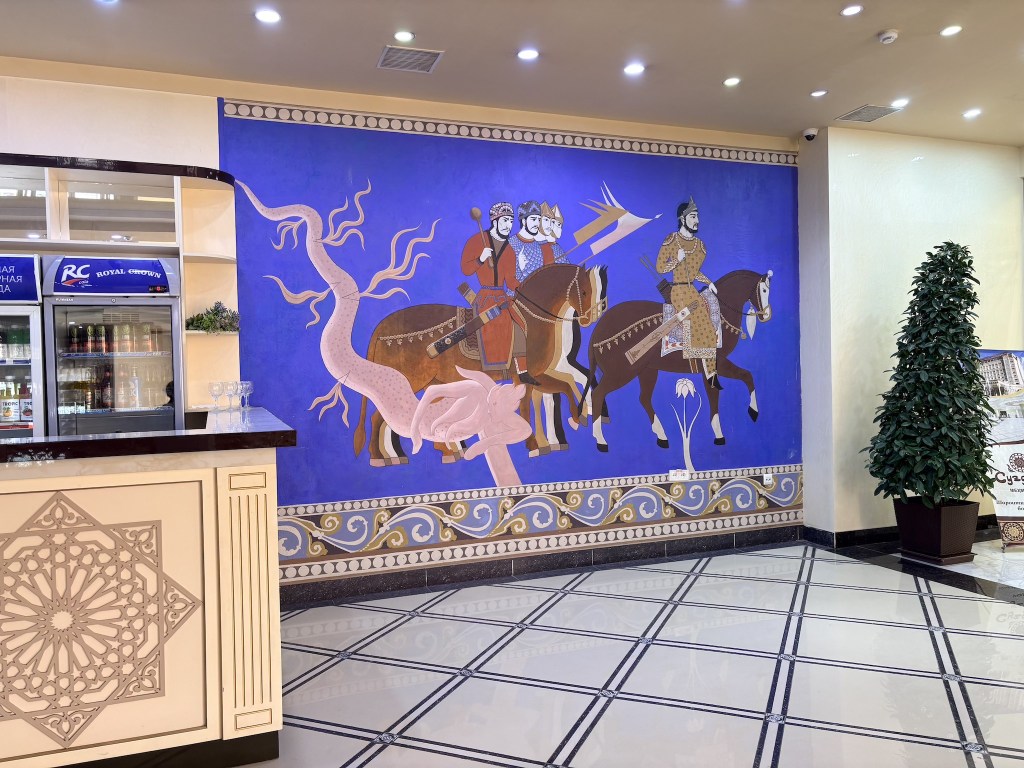
Khujand Fortress
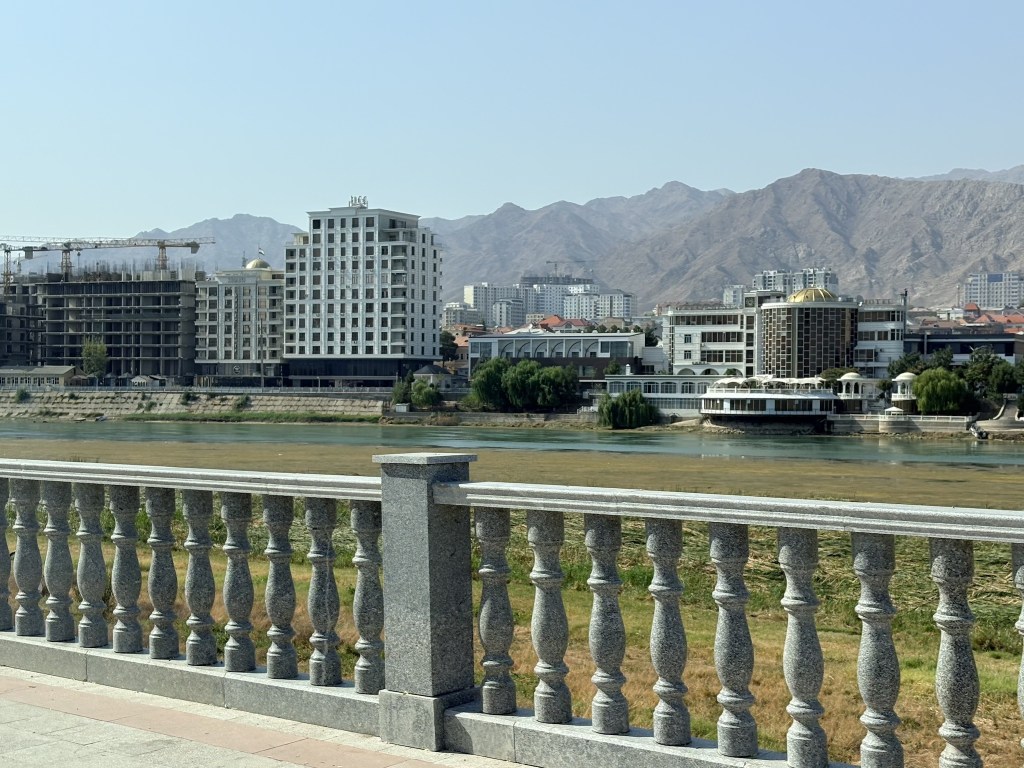
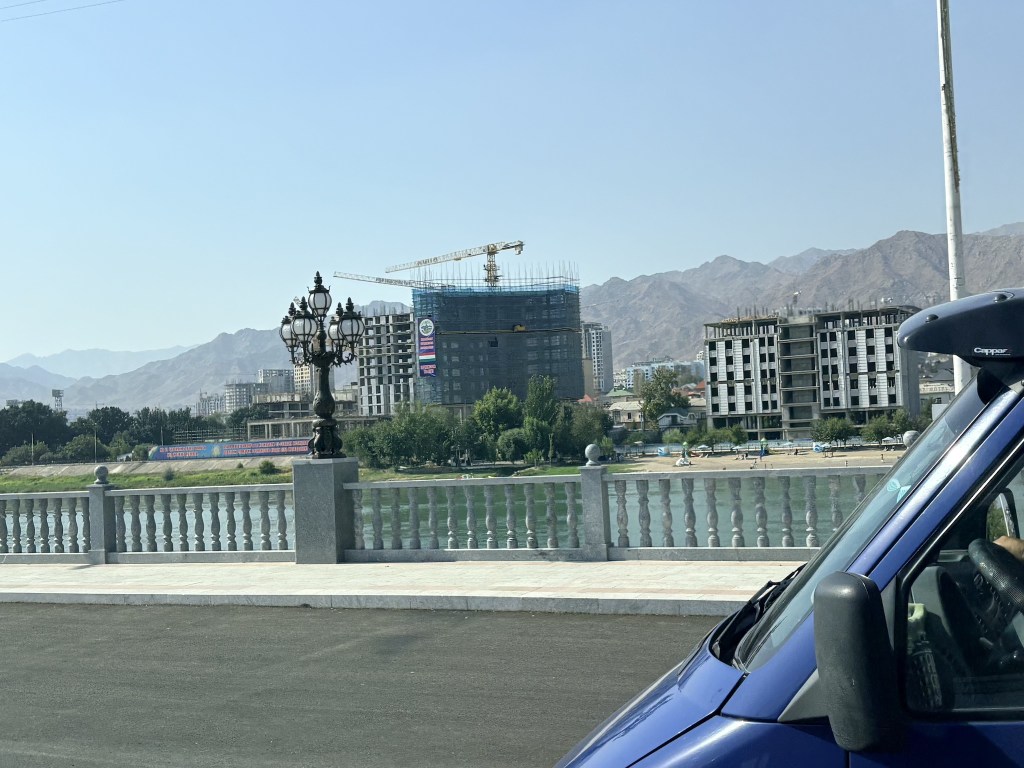
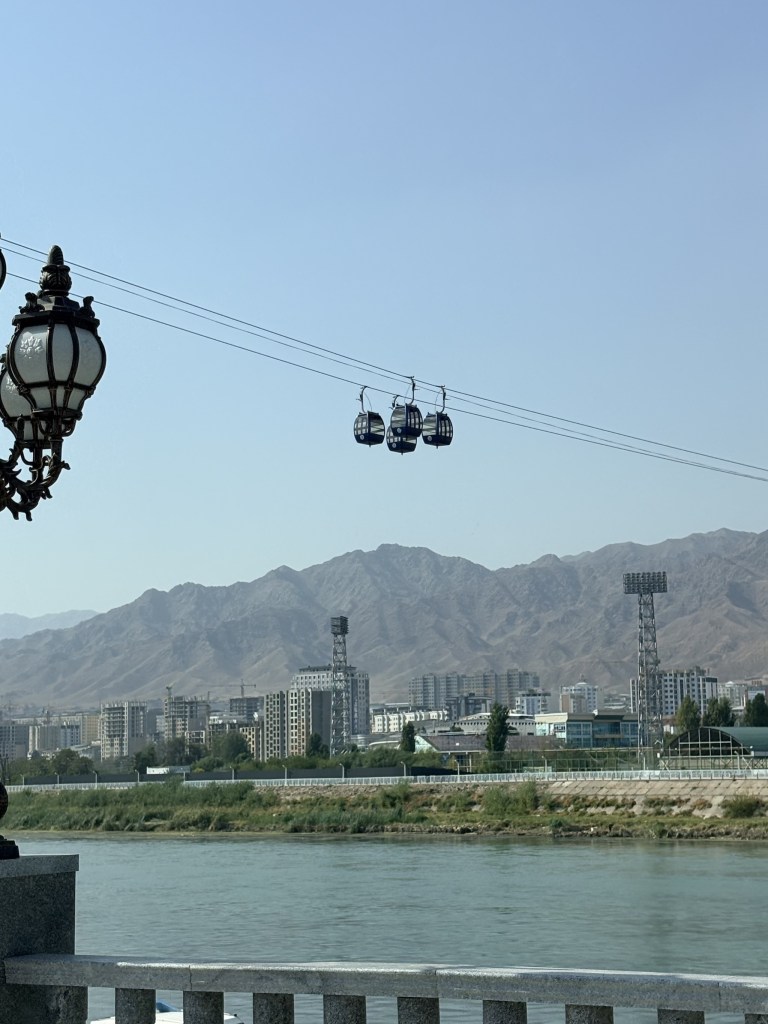
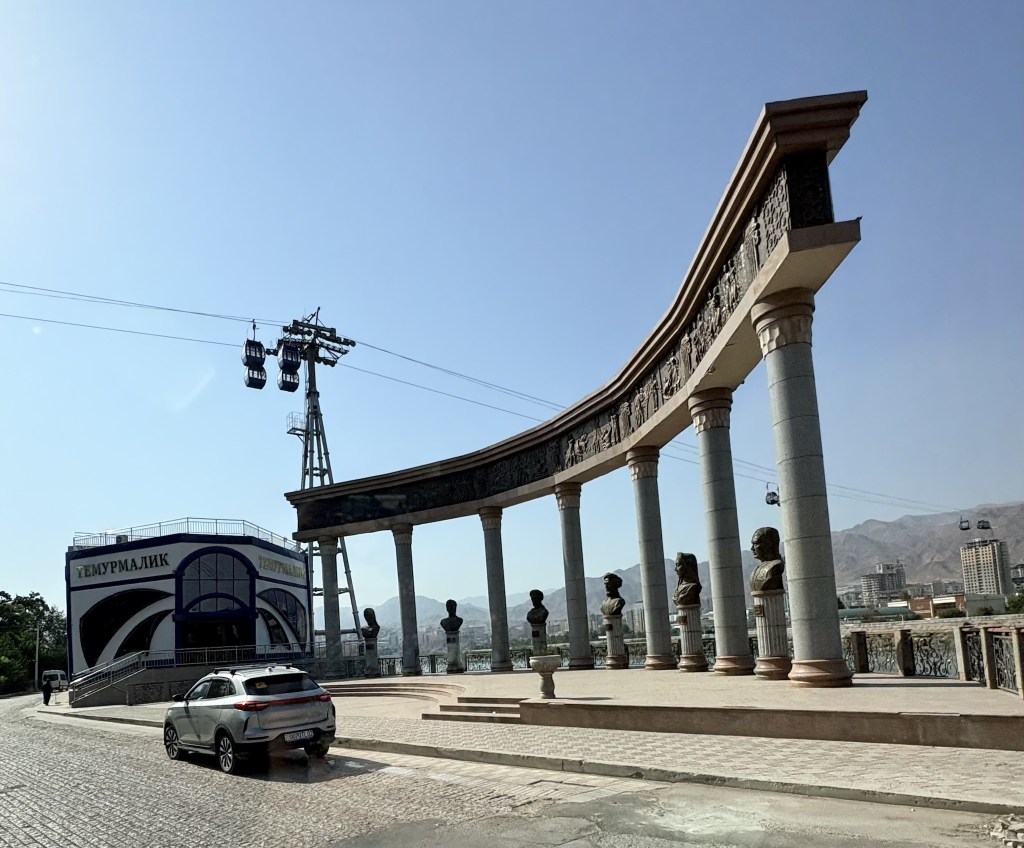
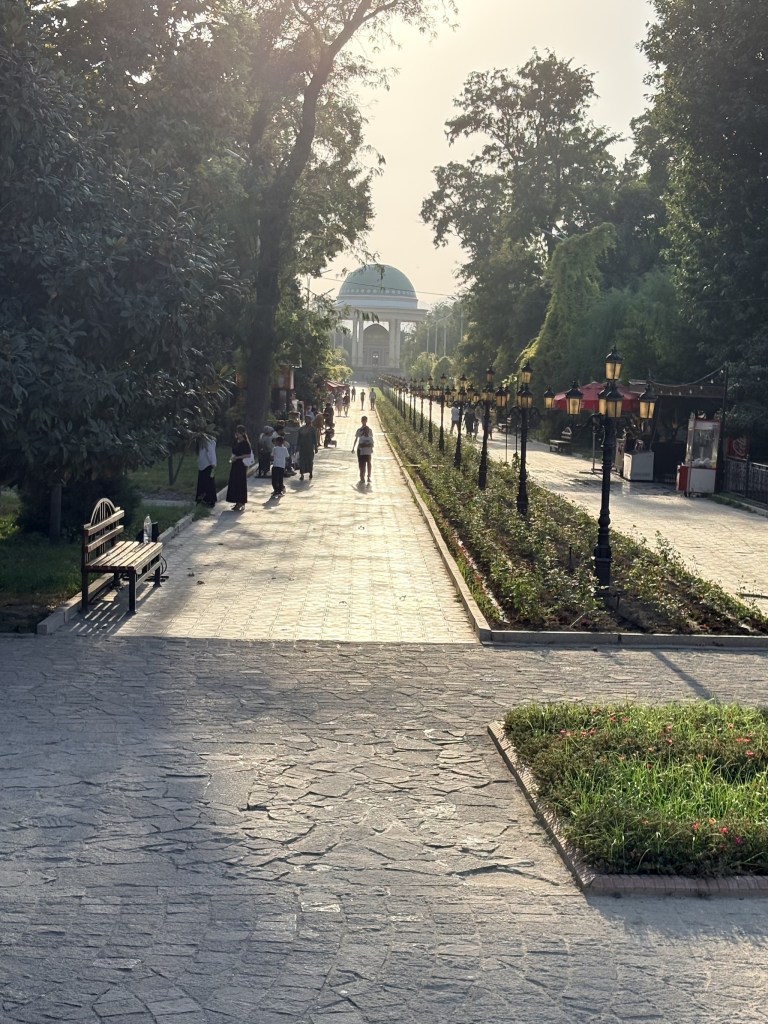
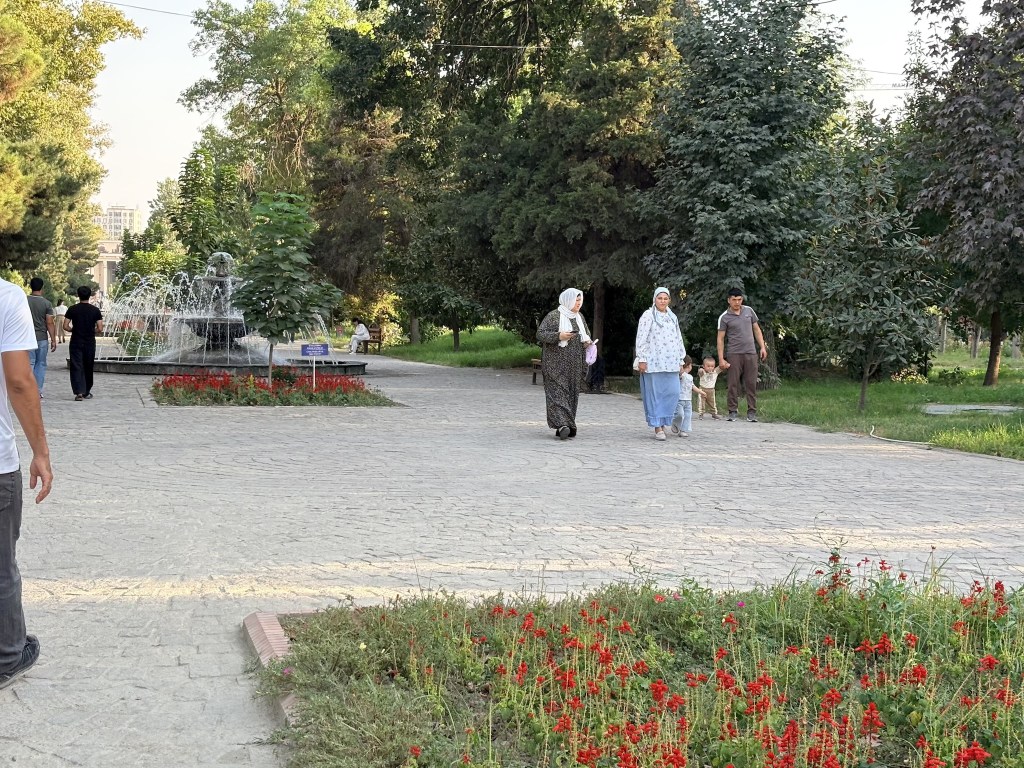
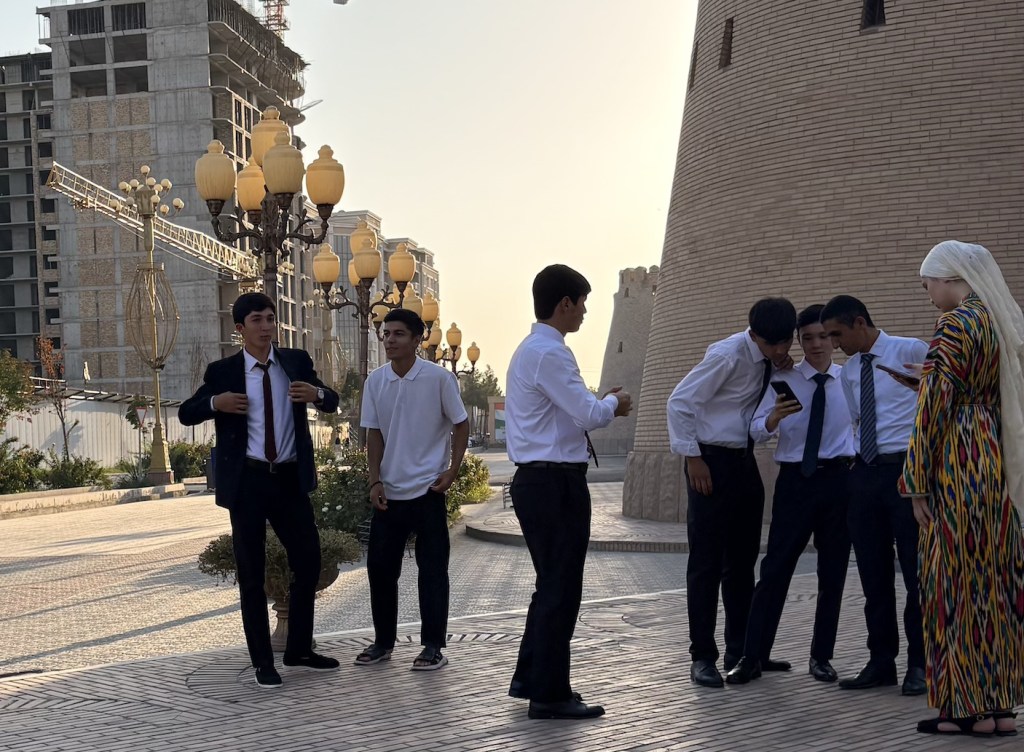
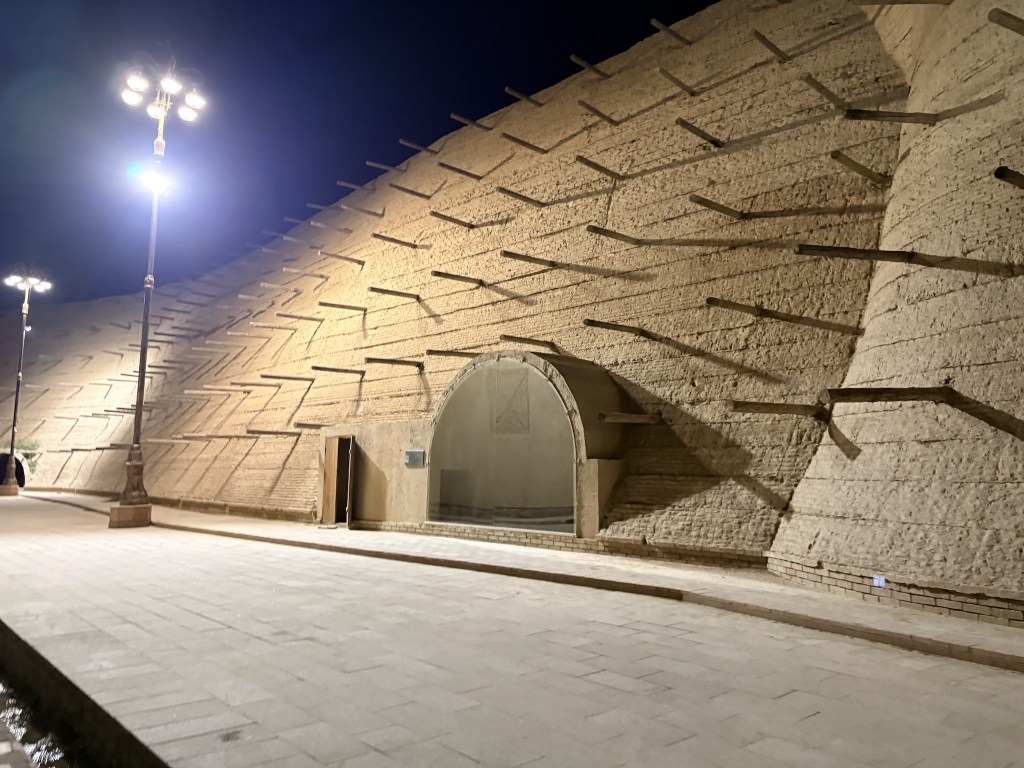
We took a walk from our hotel to the park with the reconstructed fortress and archaeological museum. Construction finished on the fort in 2022. Why build it? They have been oppressed and are now free. They want to show their great history to the world. The original fort was from the 6th century BCE. 90% of what was here has been taken to The Hermitage.
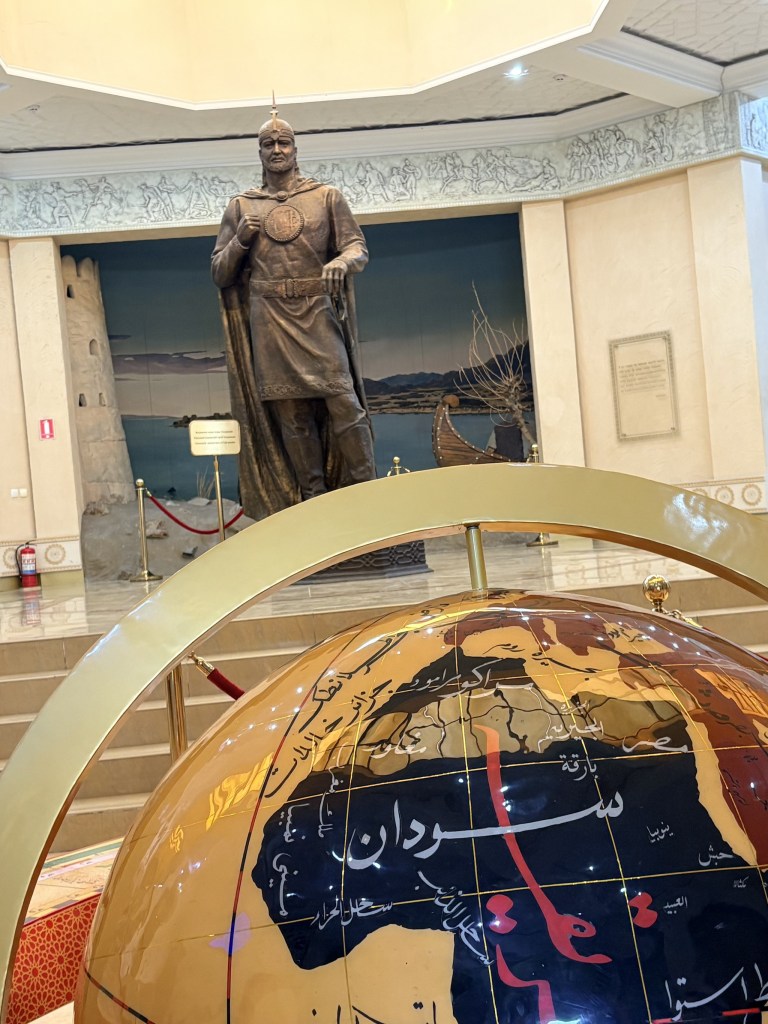
The museum at the corner is referred to as the Historical Museum of Sughd. The statue in the entry is Timurmalik (AKA Tamburlane). There was an impressive mosaic made of Tajik stones to tell the life of Alexander the Great, but there was a fee associated with taking photos so I don’t have any. We were told Sogdian resistance archers were waiting for Alexander’s army in the mountains. This was their first lost battle. Their leader was taken to Alexander who then killed him and married Bactrian (Tajik) Roxana. Her name means ‘light.’ Alexander The Great is called Alexander The Cursed in Farsi. He burnt the Quor’an. Khujand was the furthest “Alexandria” from Macedonia.
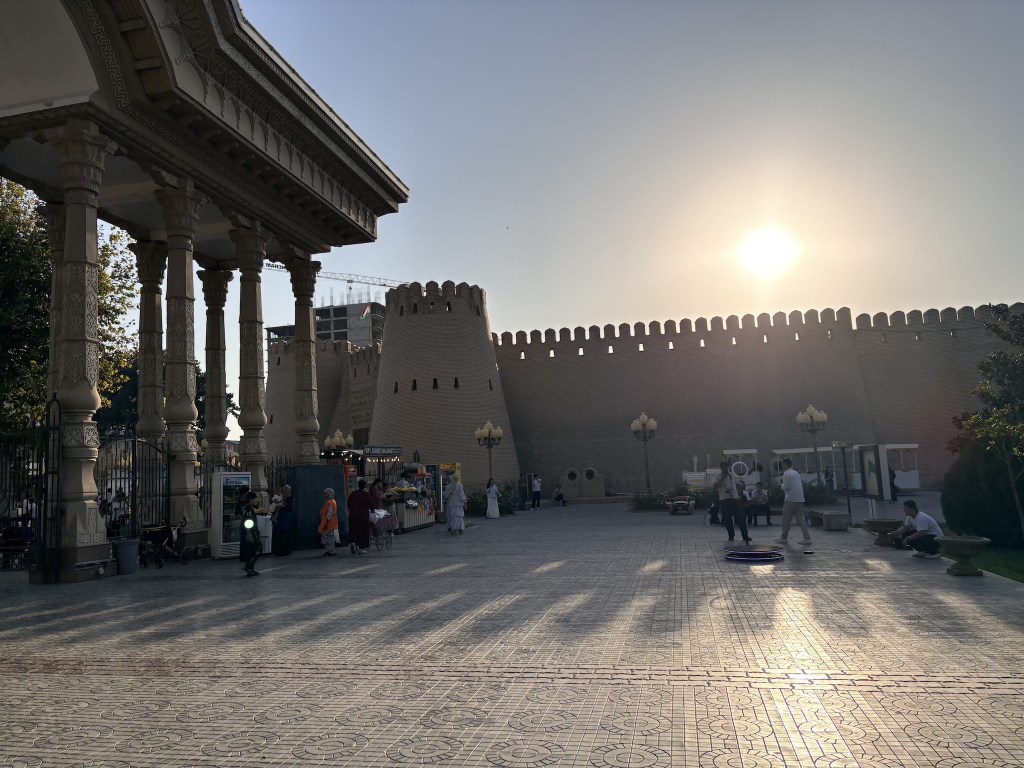
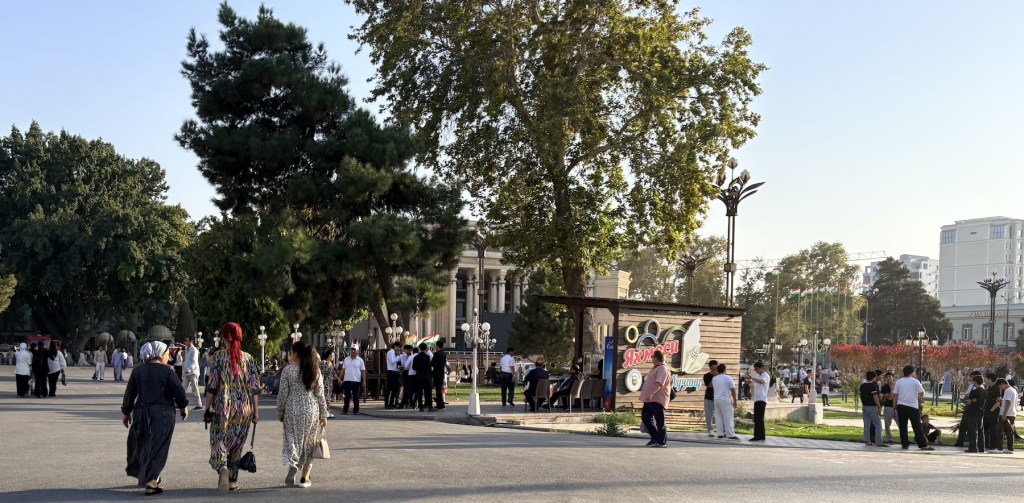
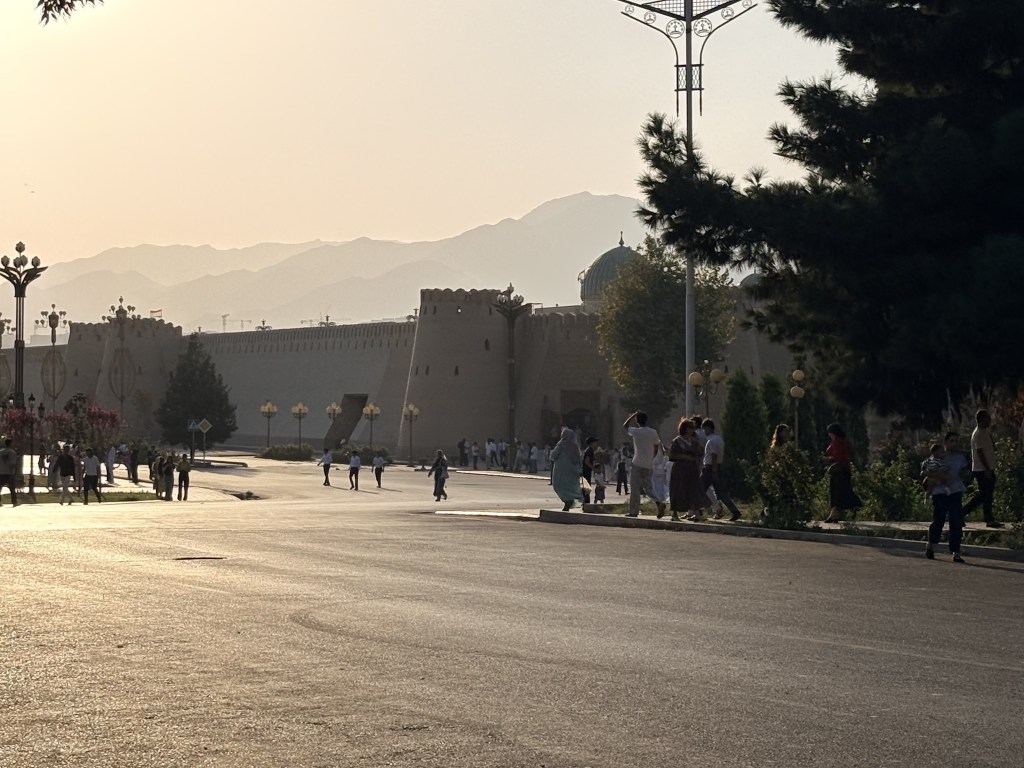
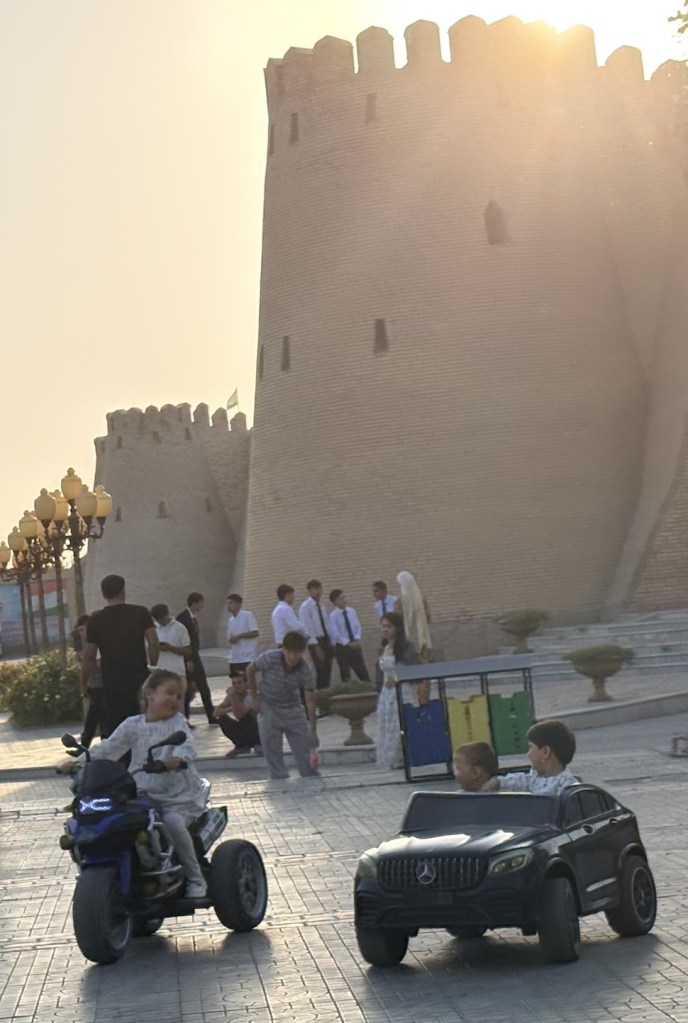
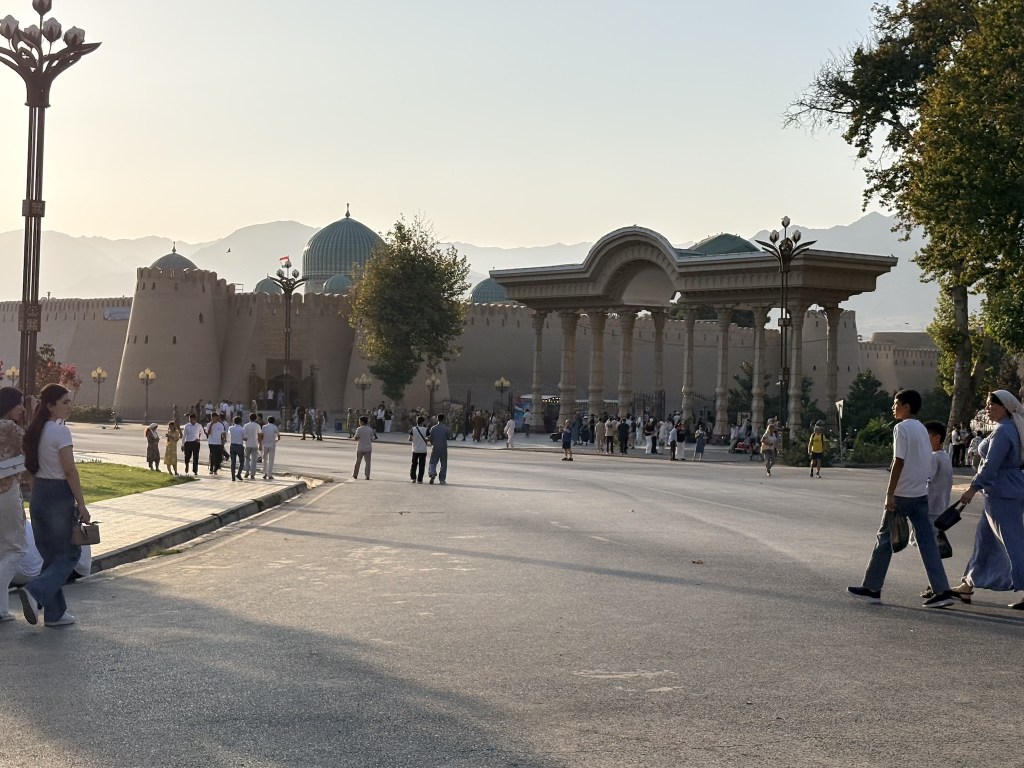
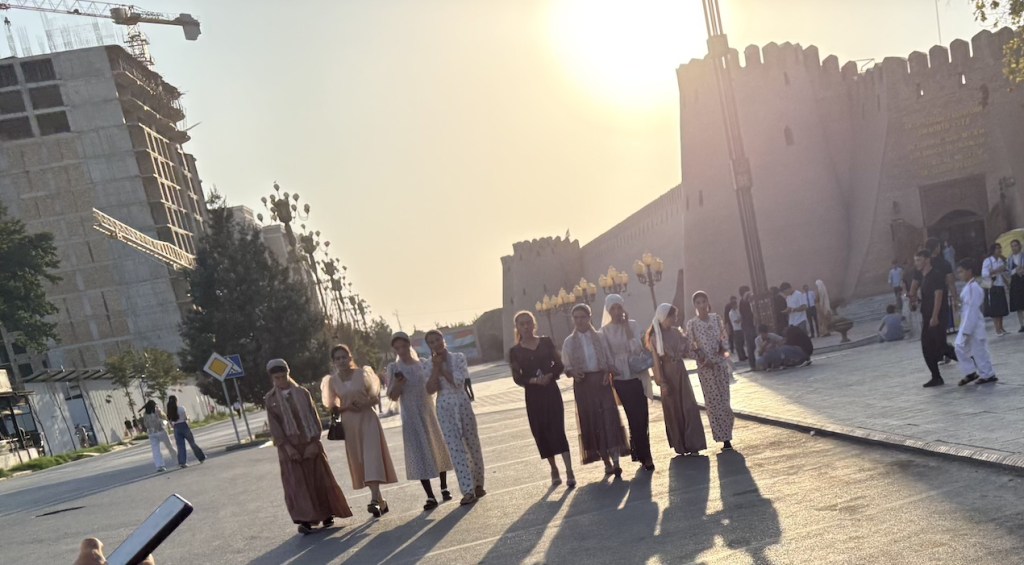
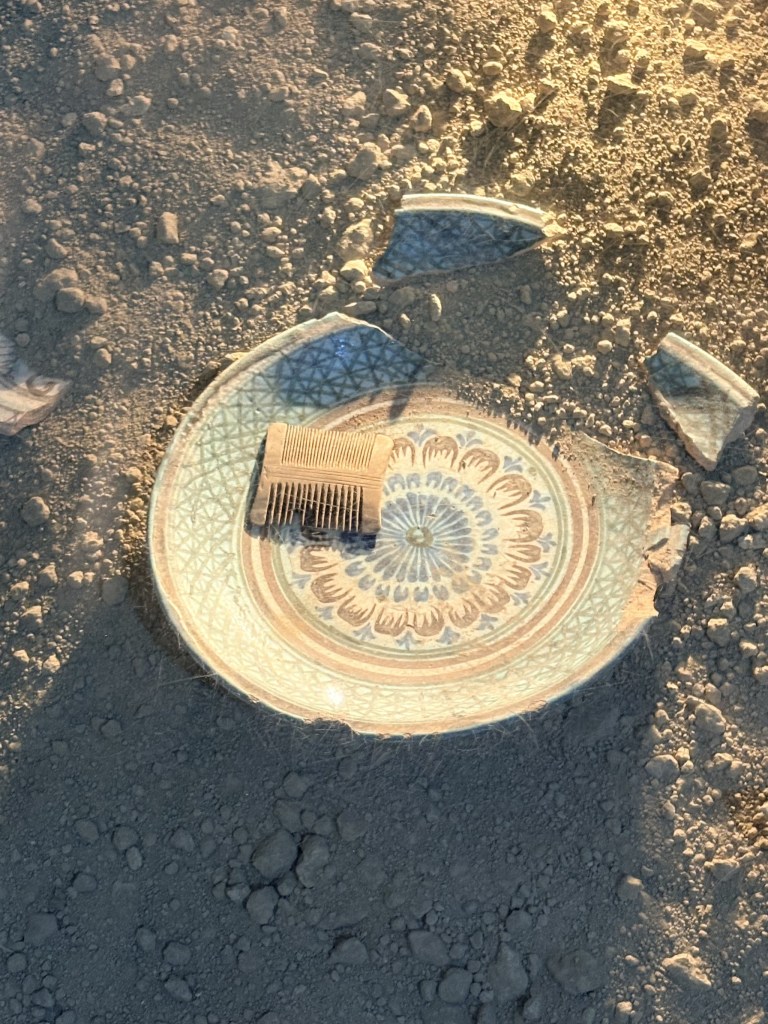
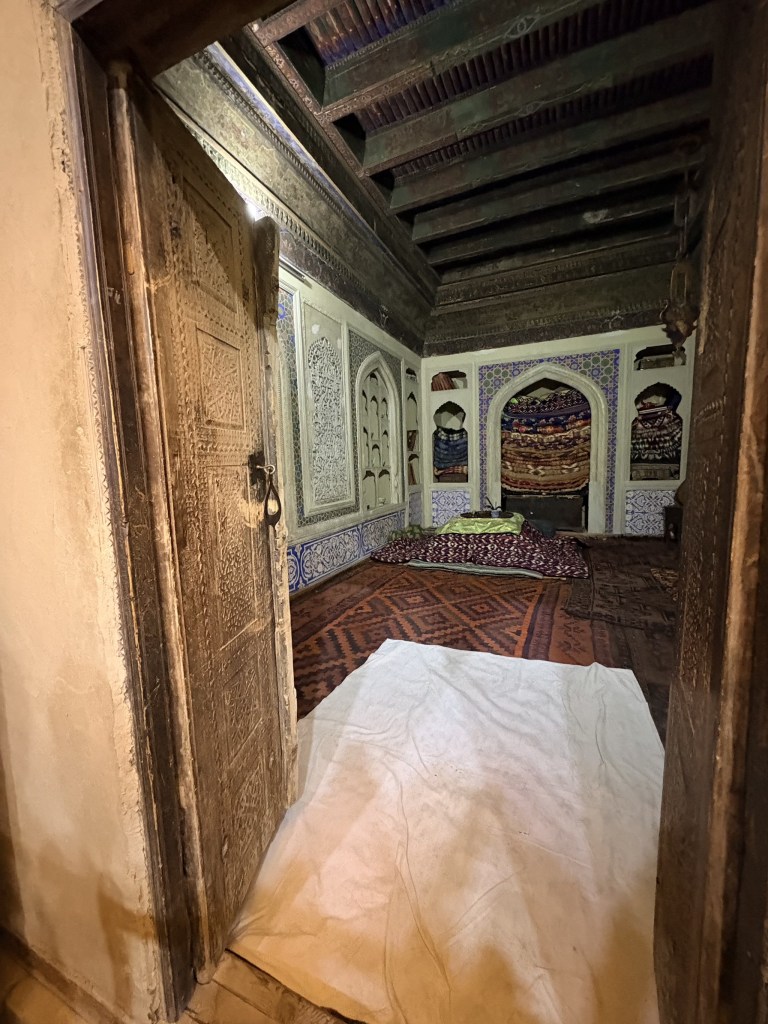
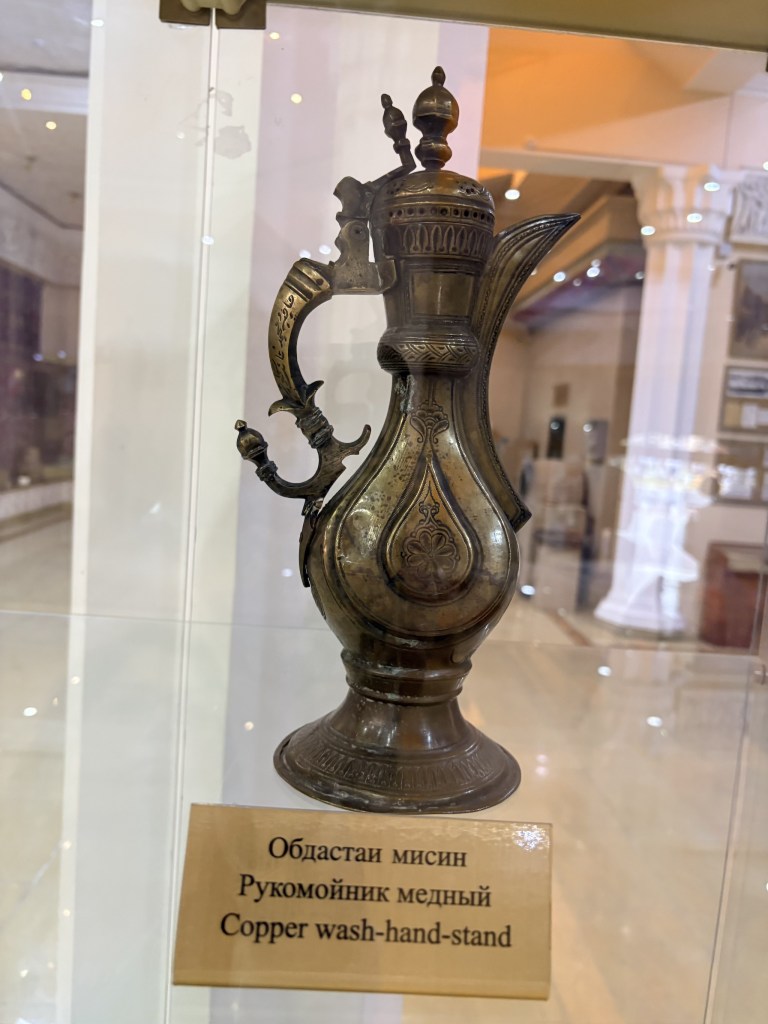
The “Castle of Khujand”?
Our guide confused us. First he wanted us to be impressed by this lavish building that was just completed this year. Later on he told us everything was 3D printed, so it was not created by artisans.
Genghis Khan is referred to as Chingizhan, The Great Interrupter. The statue at the entrance is the man who was mayor of Khujand at the time of Genghis Khan.
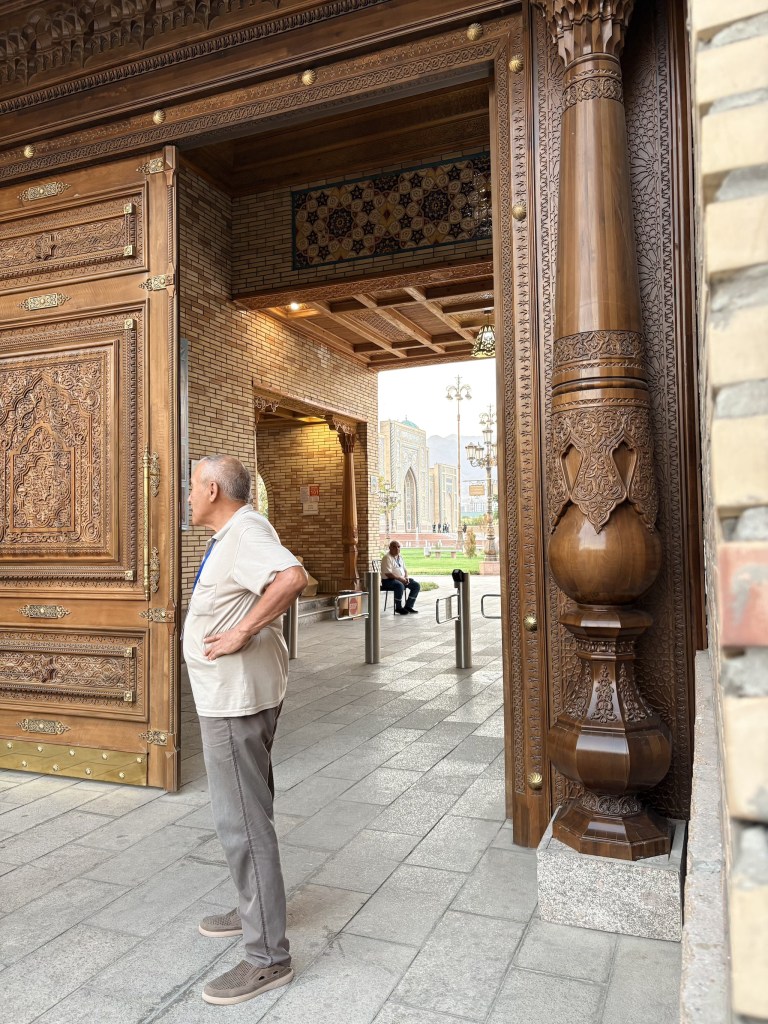
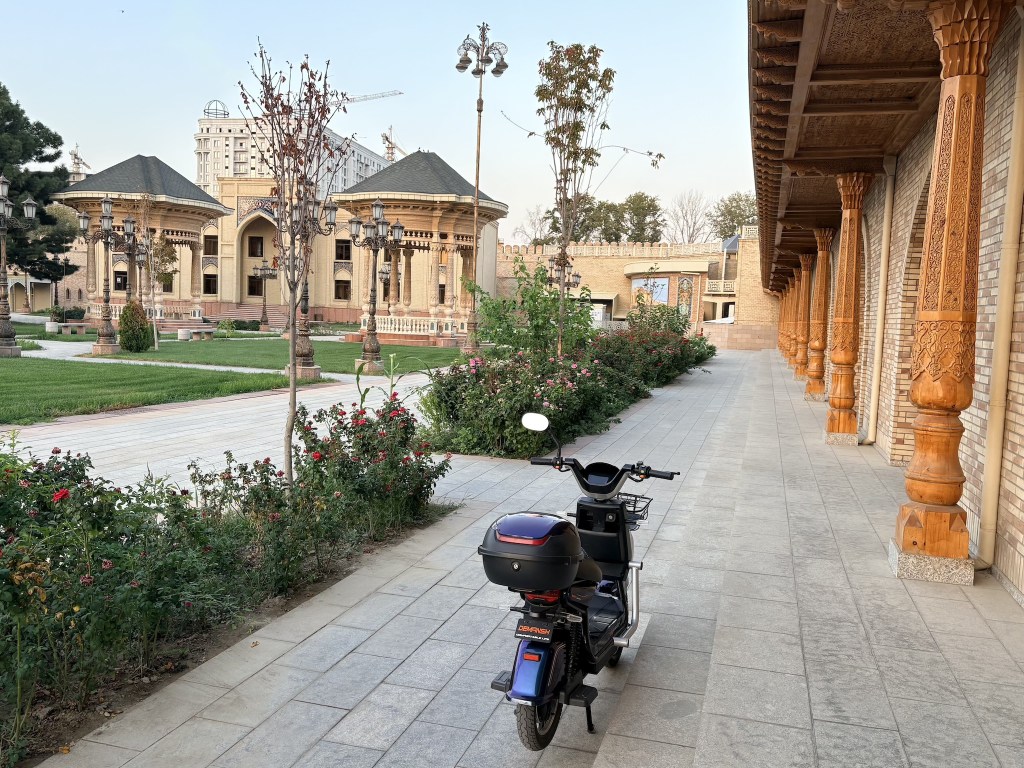
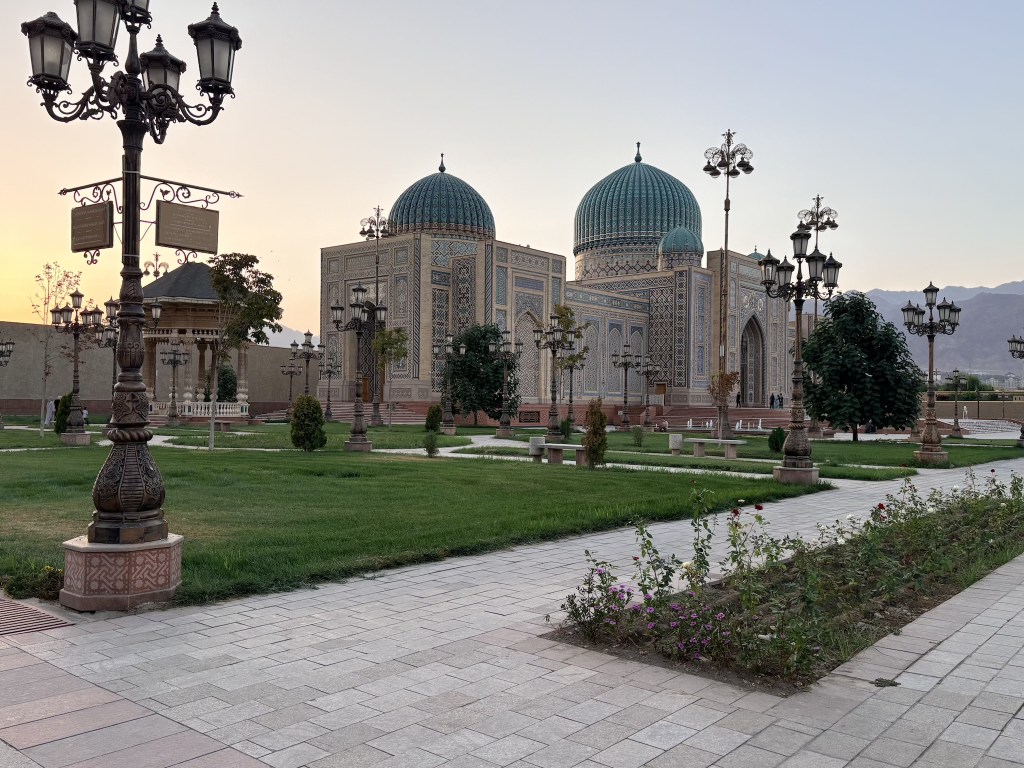
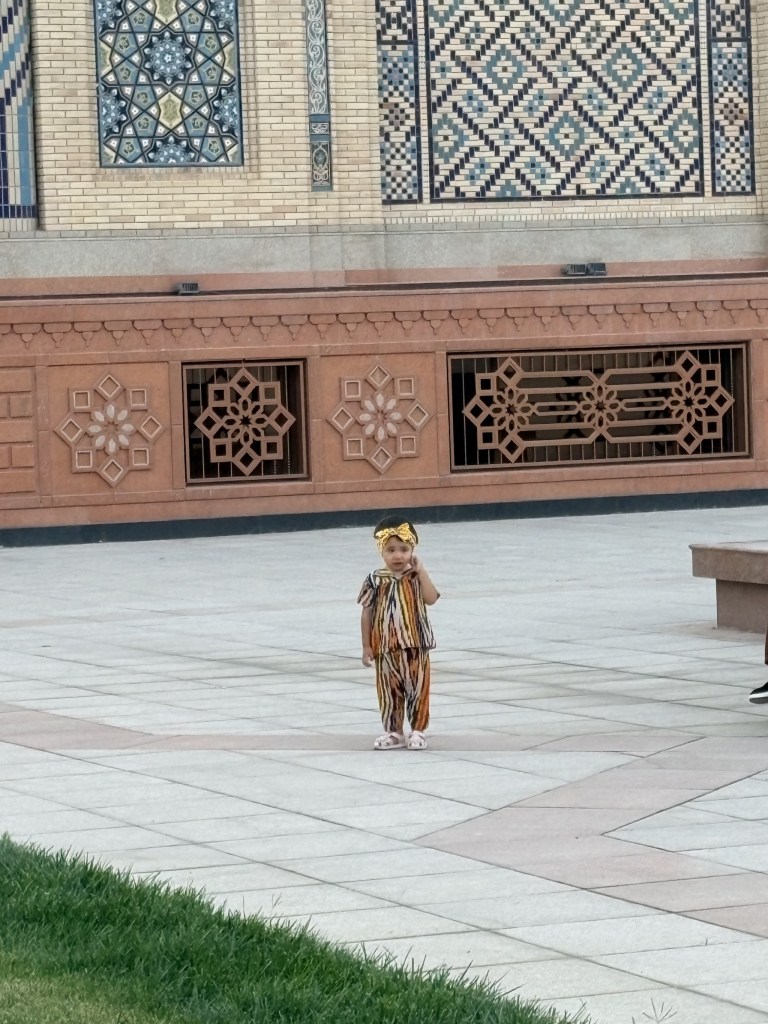
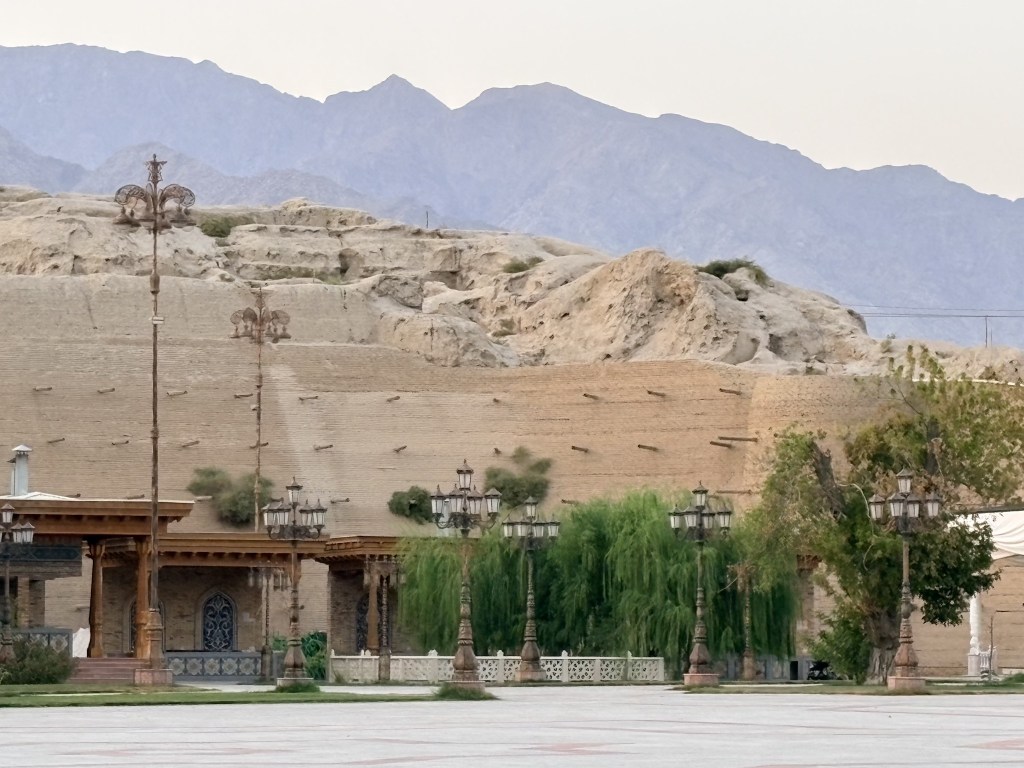
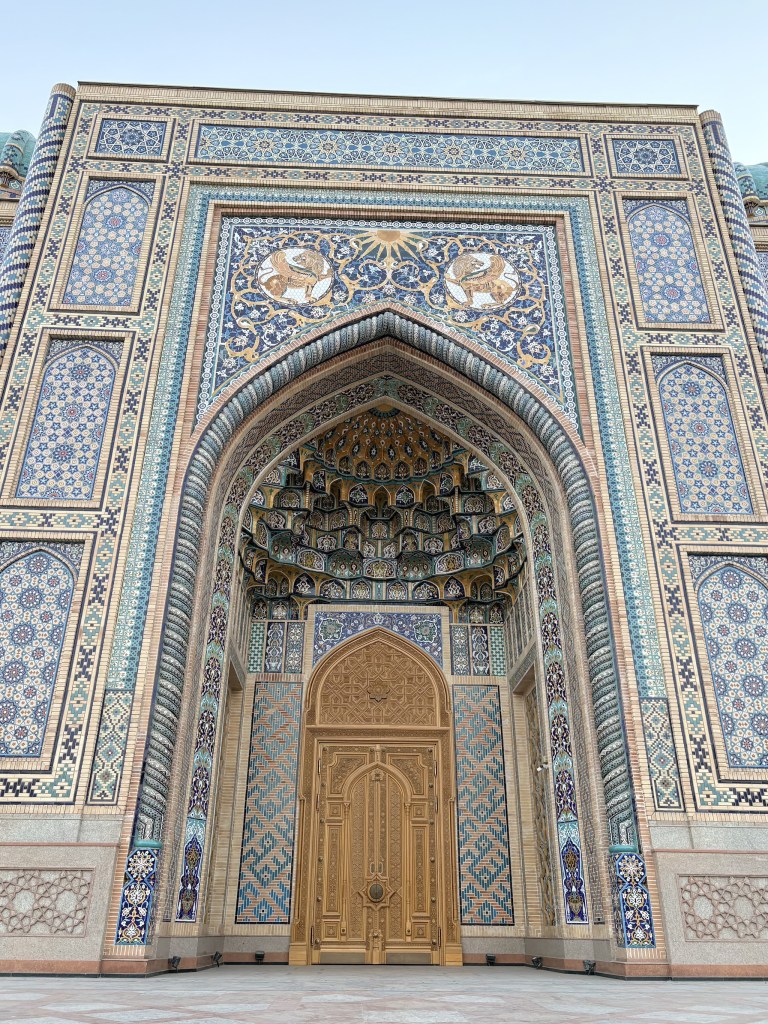
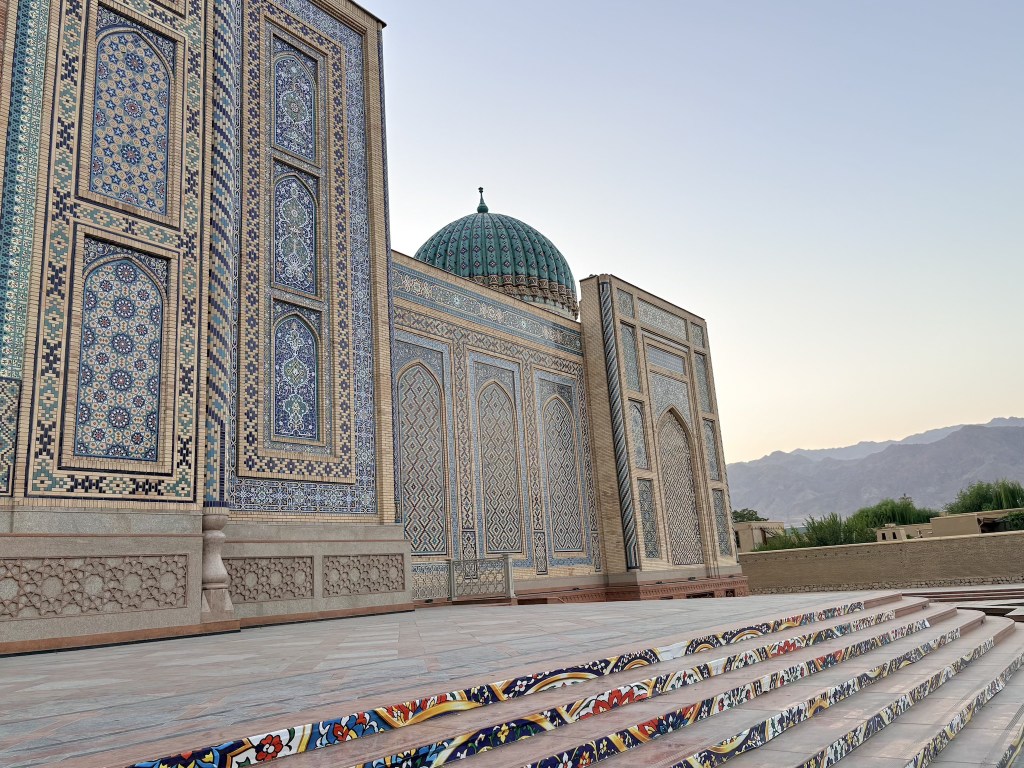
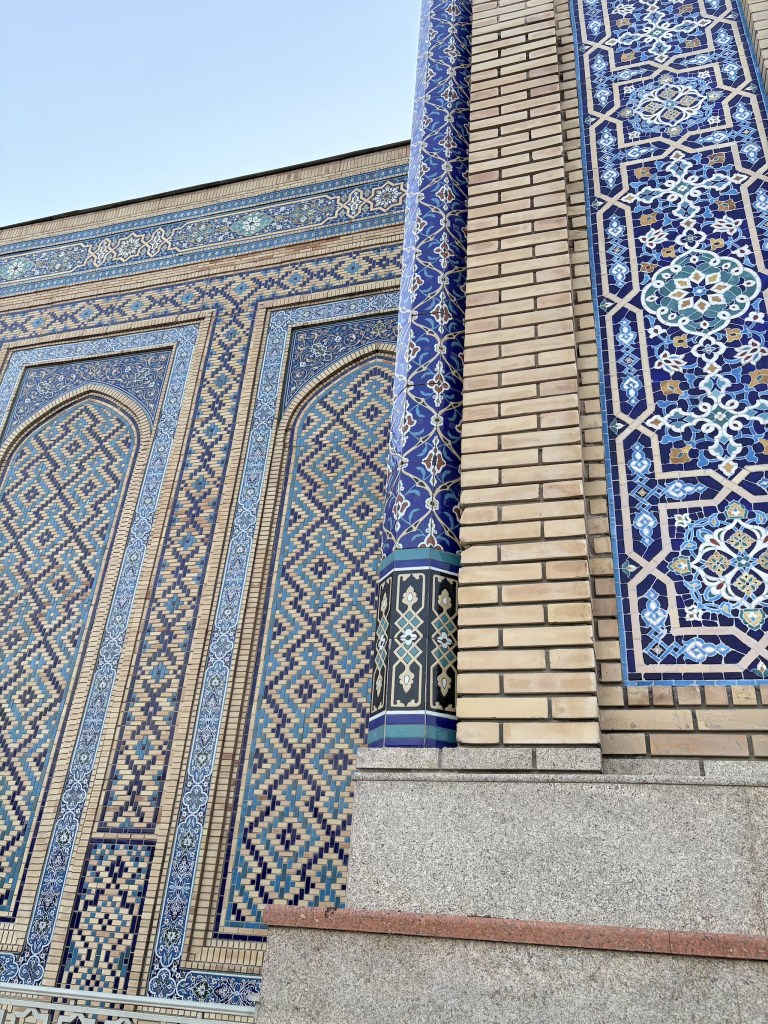
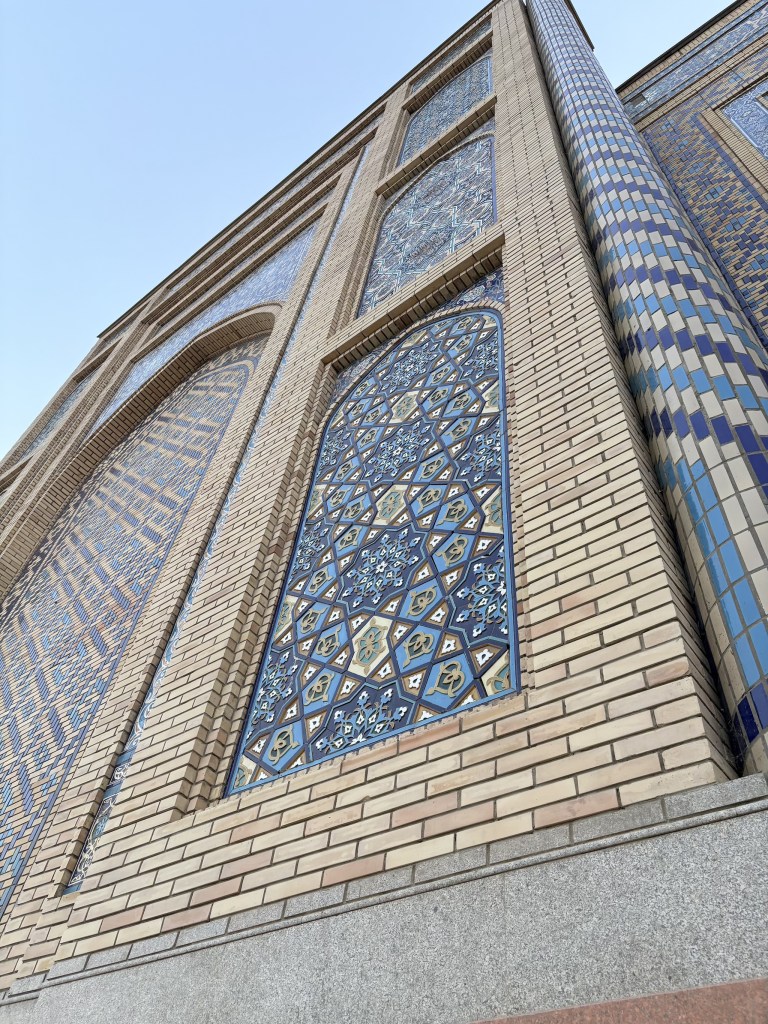
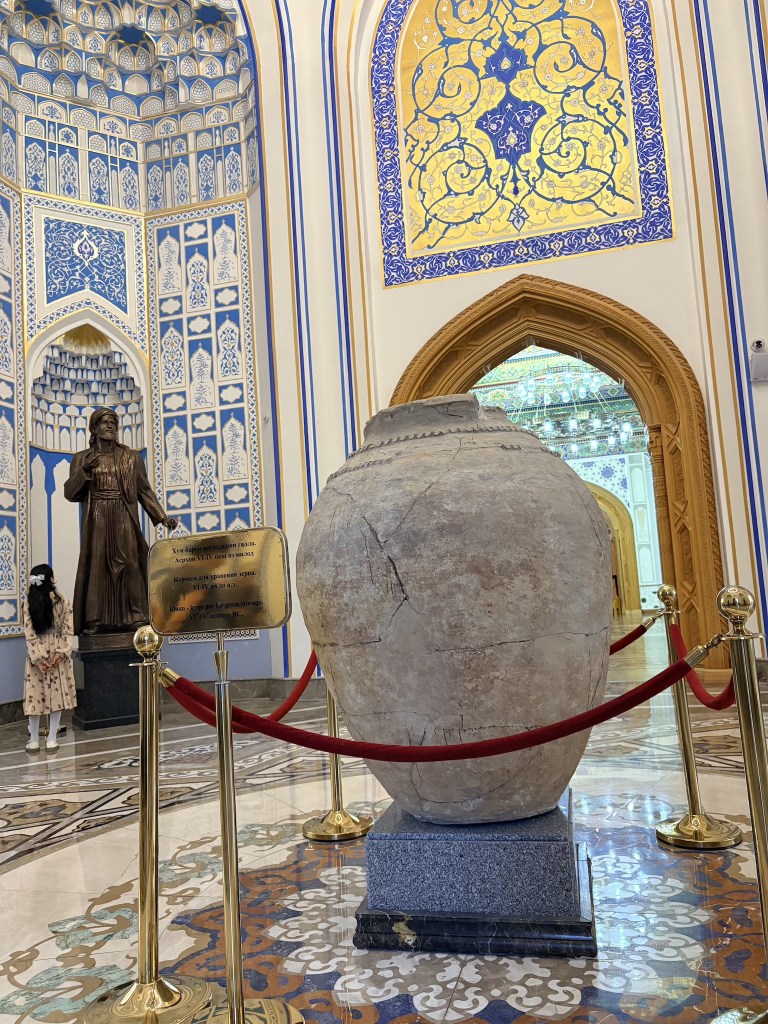
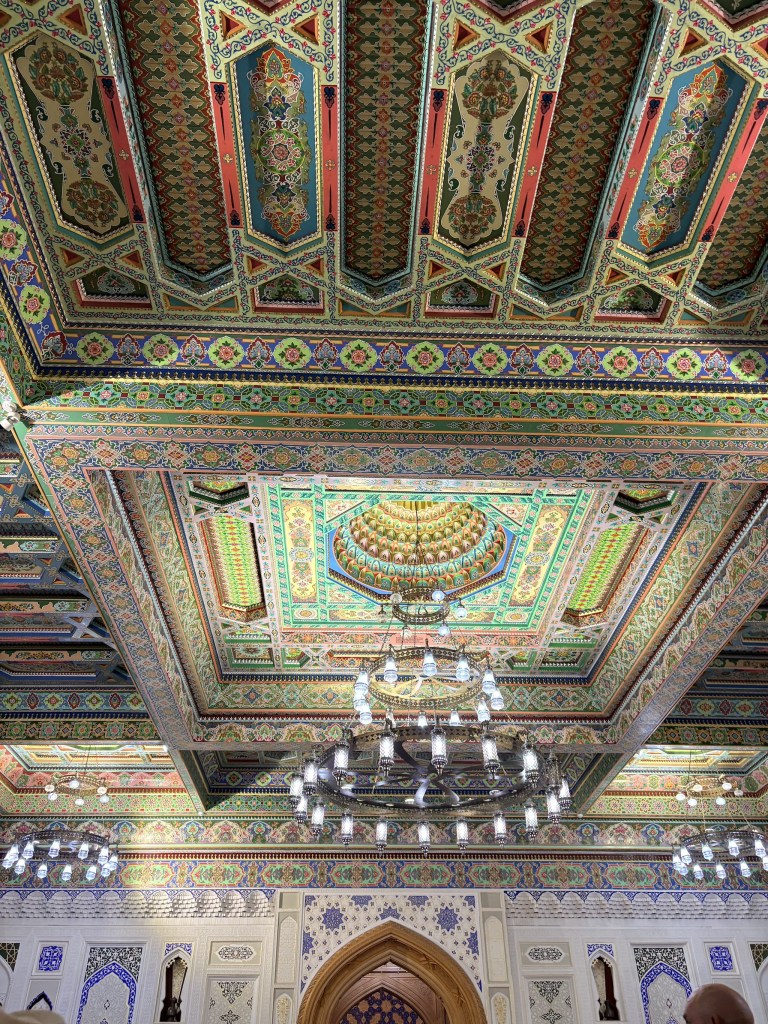
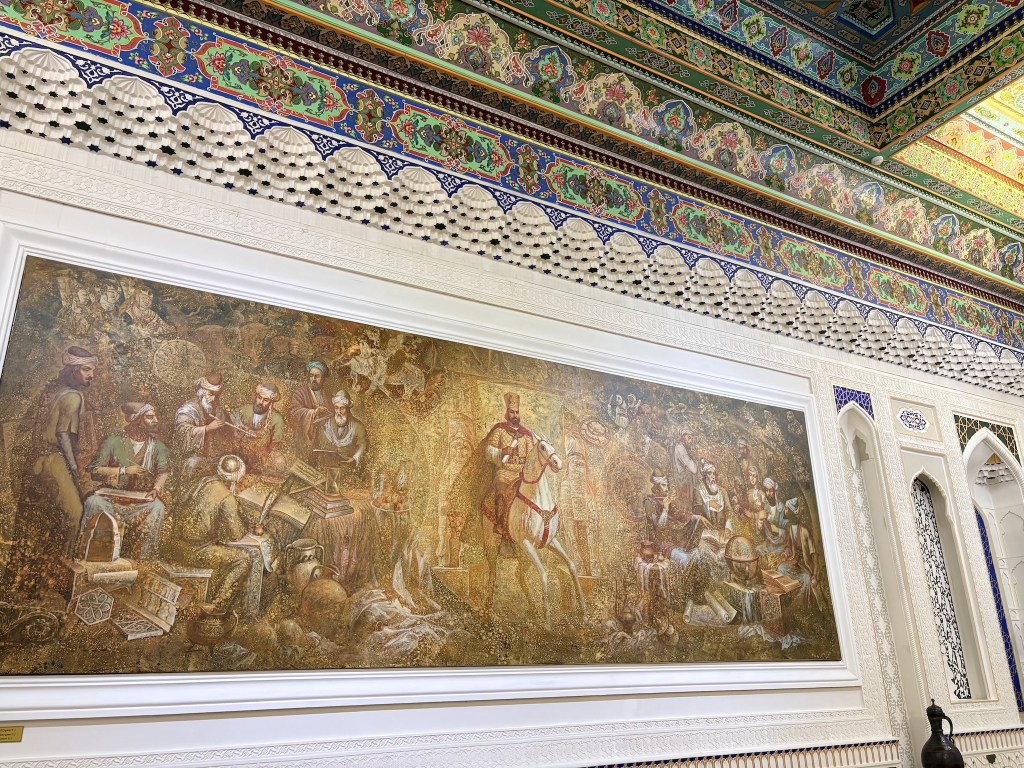
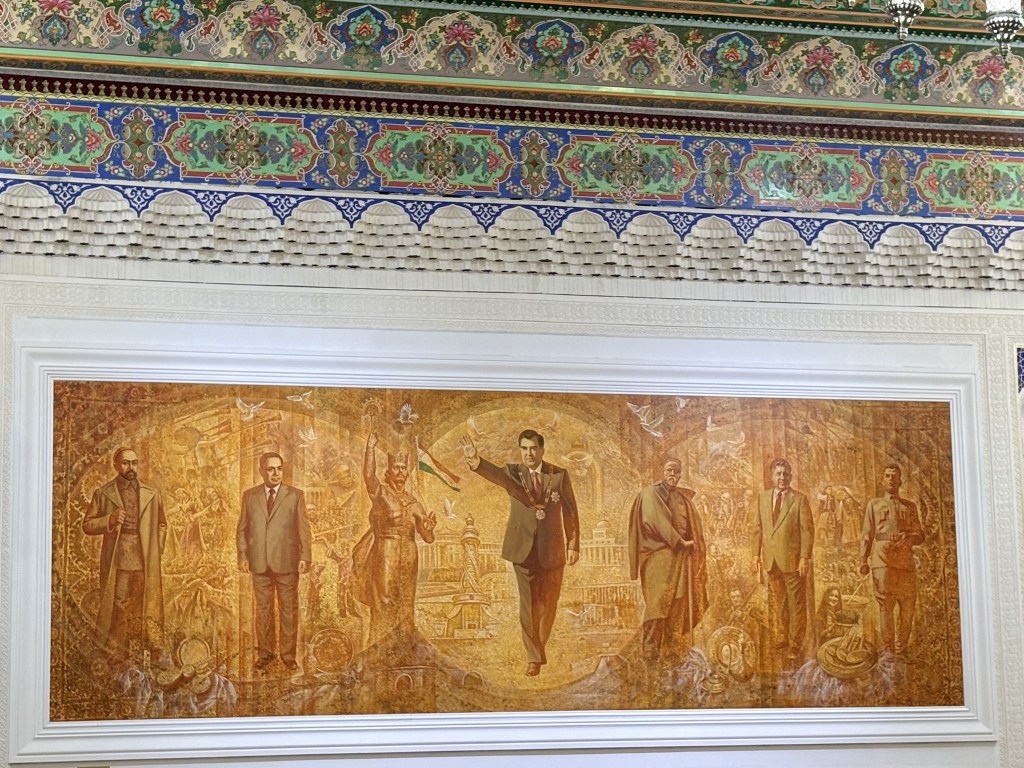
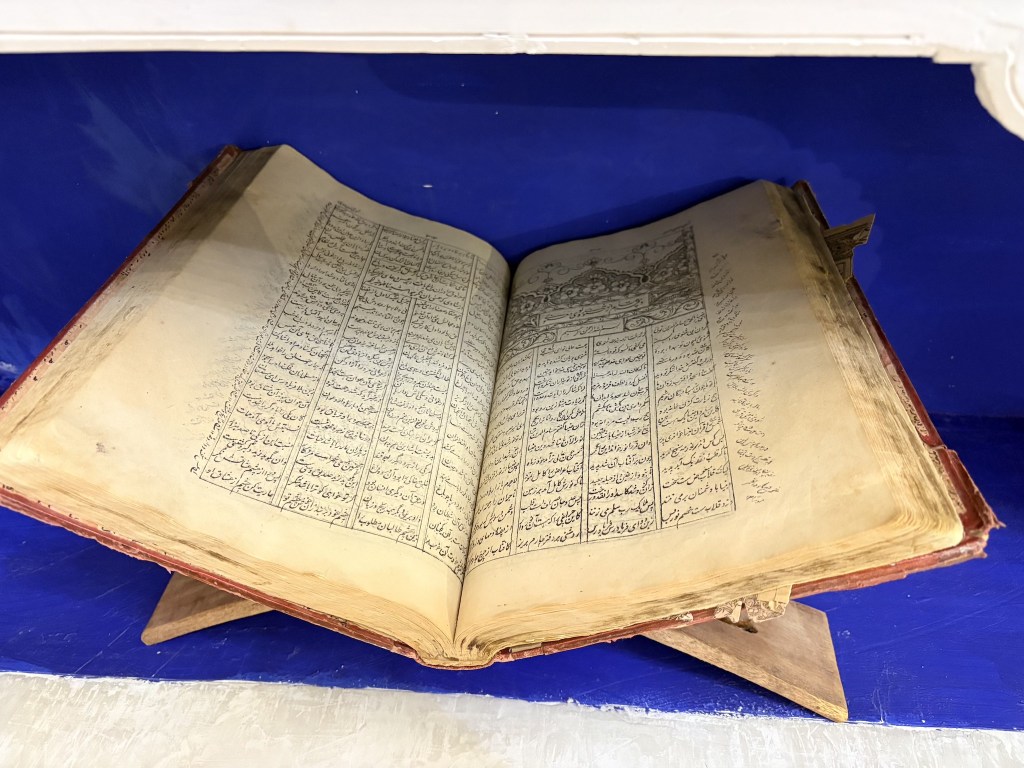
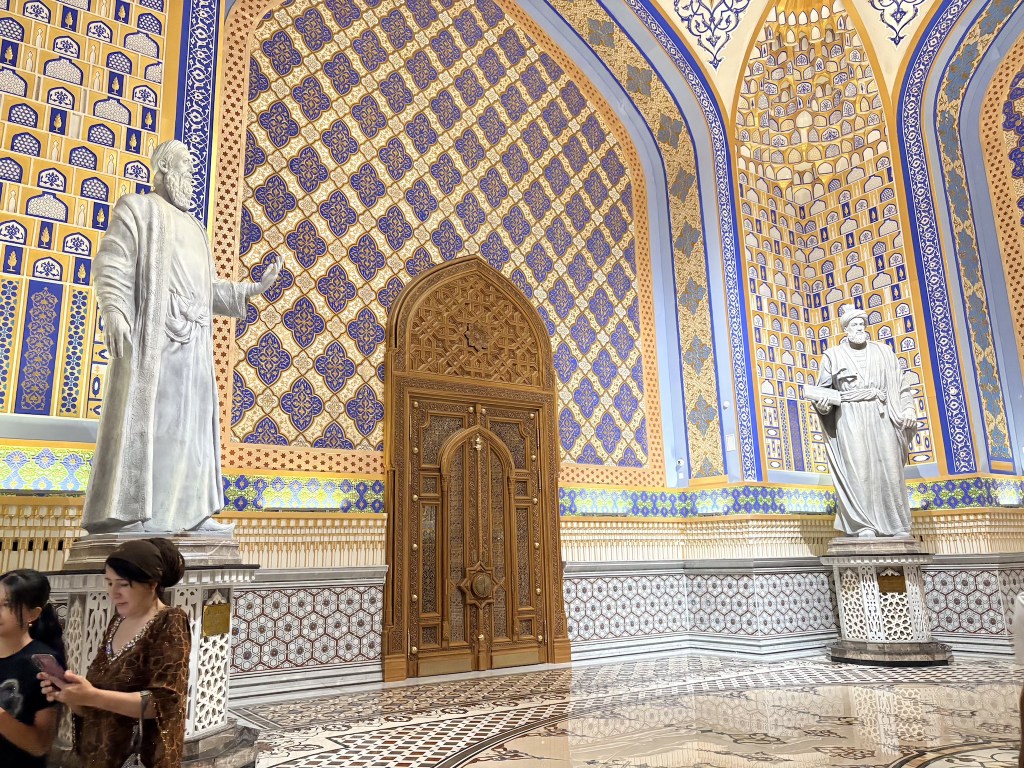
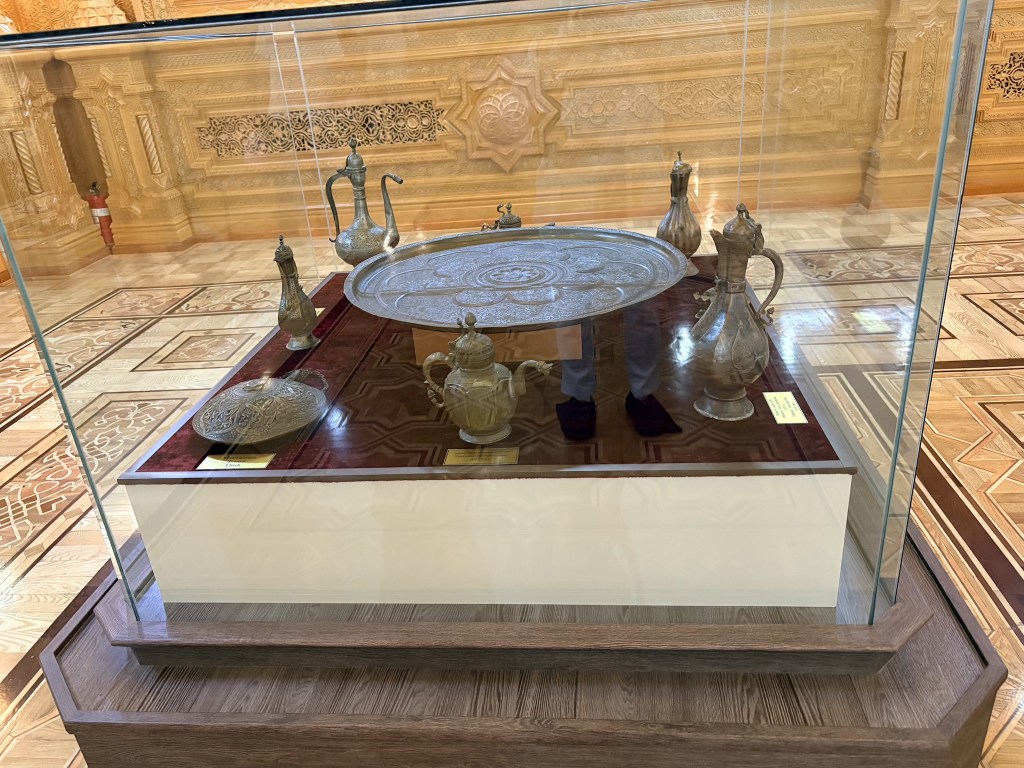
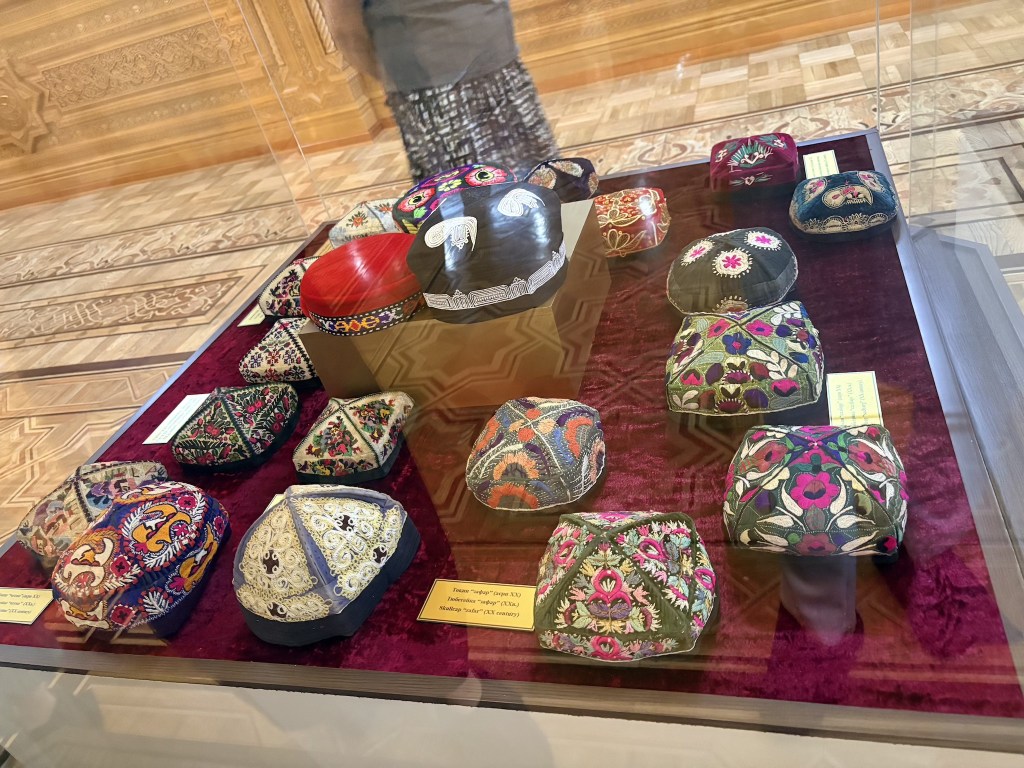
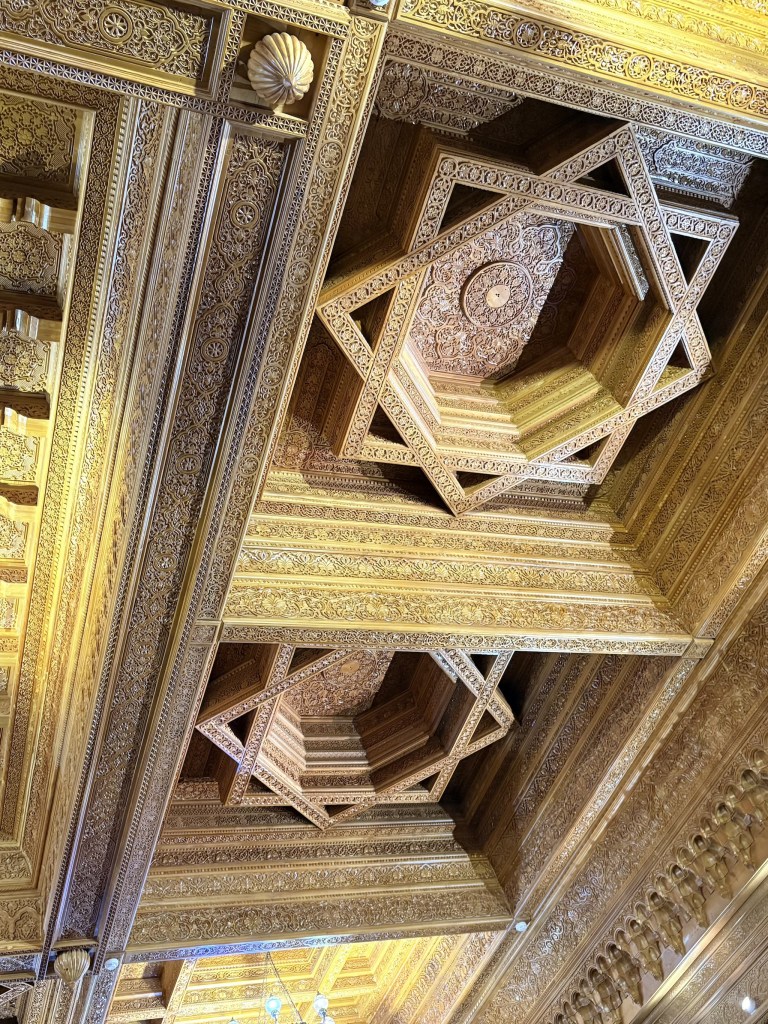
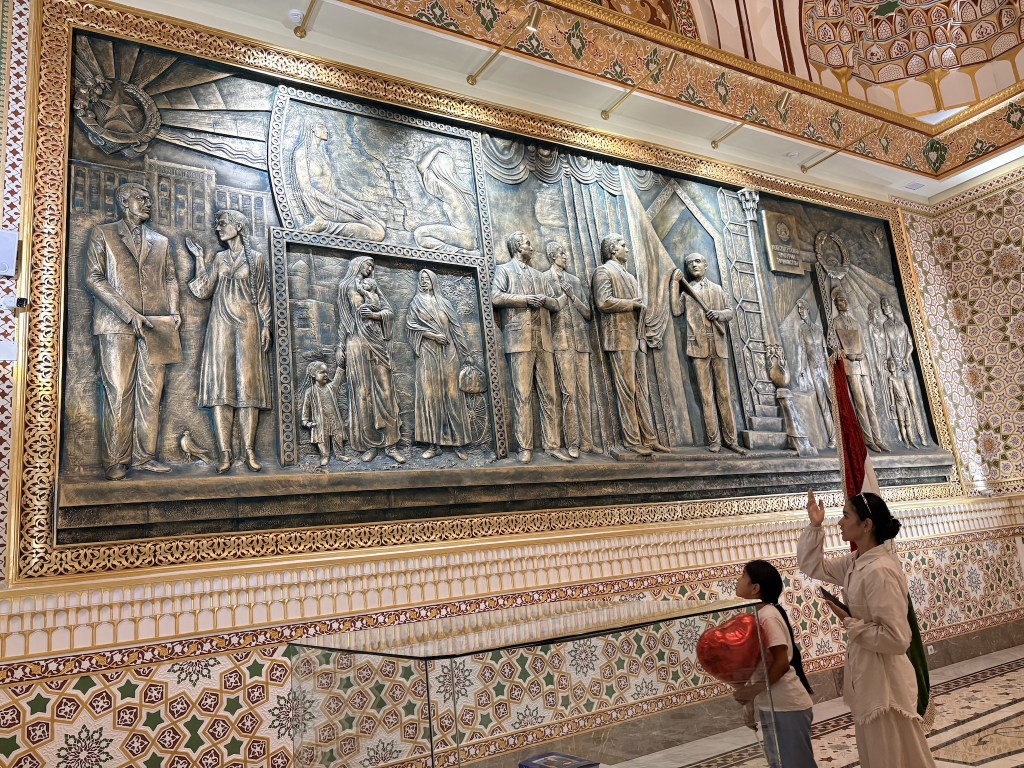
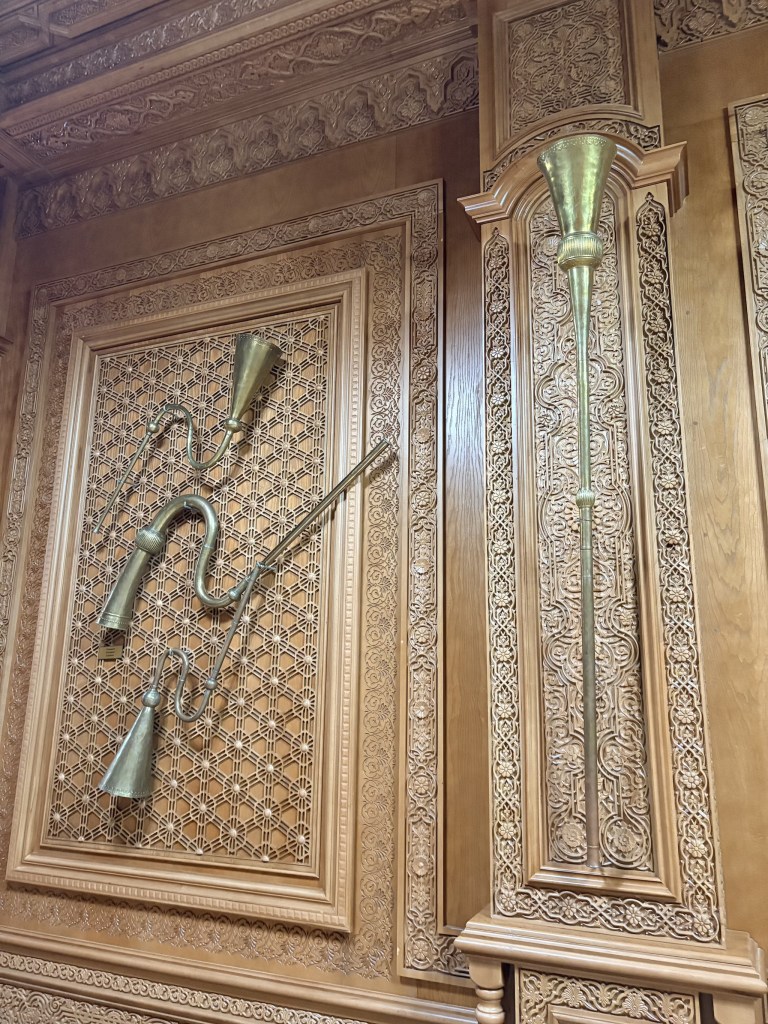
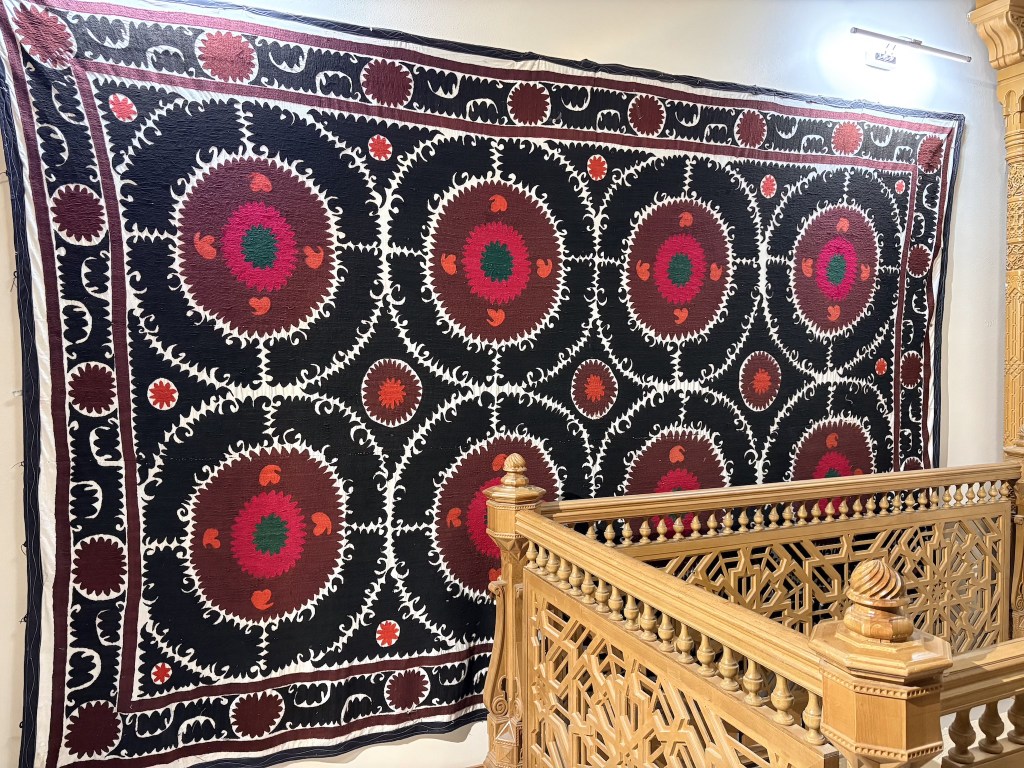
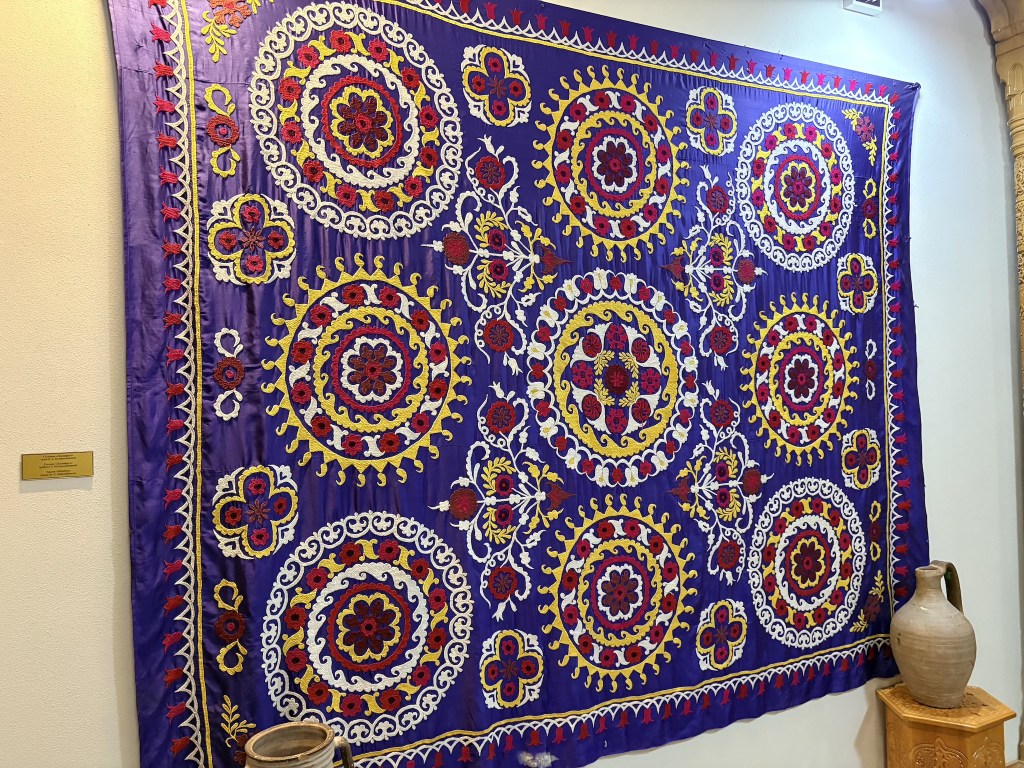
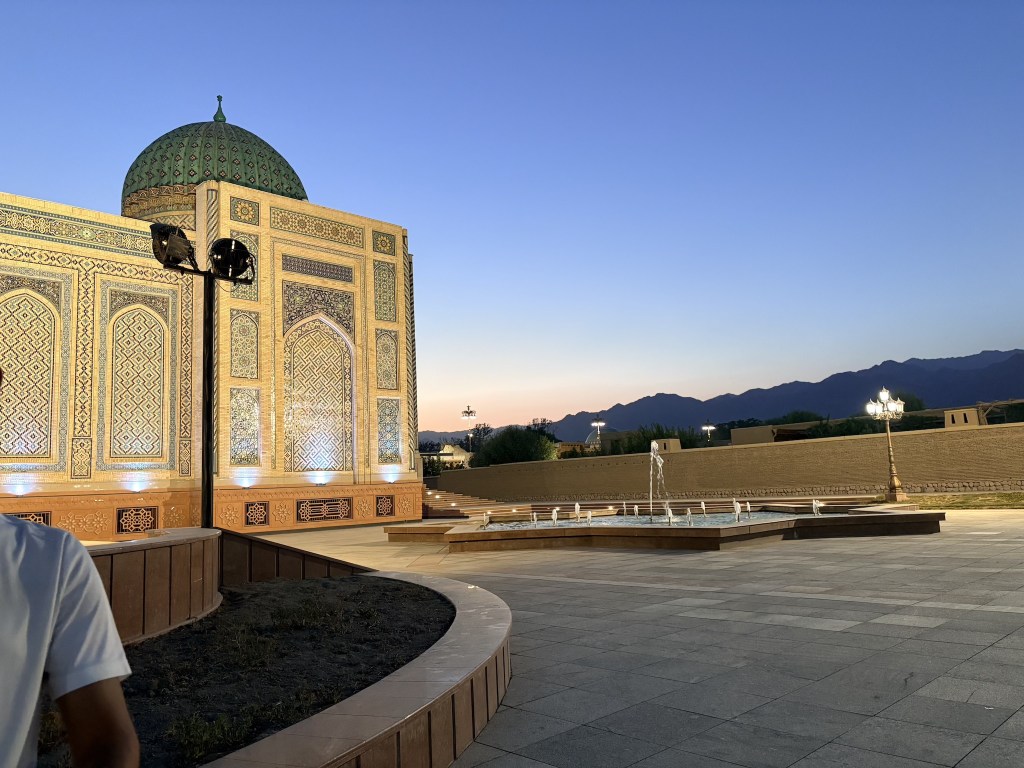
Architectural Complex
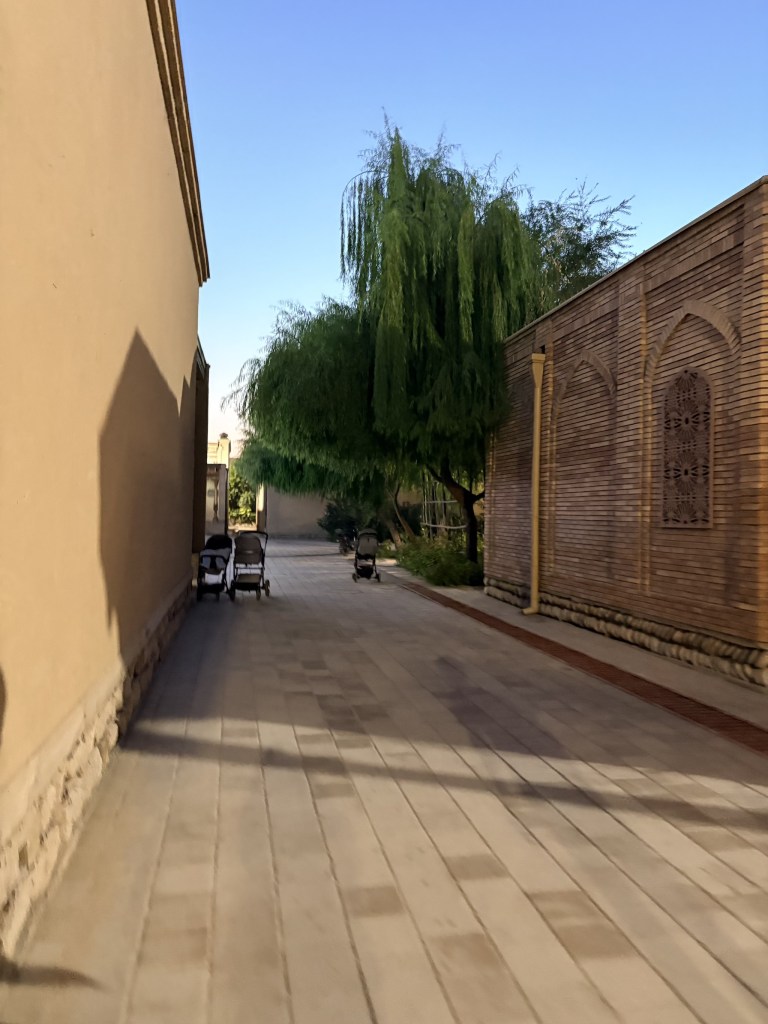
That’s the name I put on my calendar, not sure if it’s correct. This was a model town along the lines of a Colonial Williamsburg. We were told it cost $400 million to build.
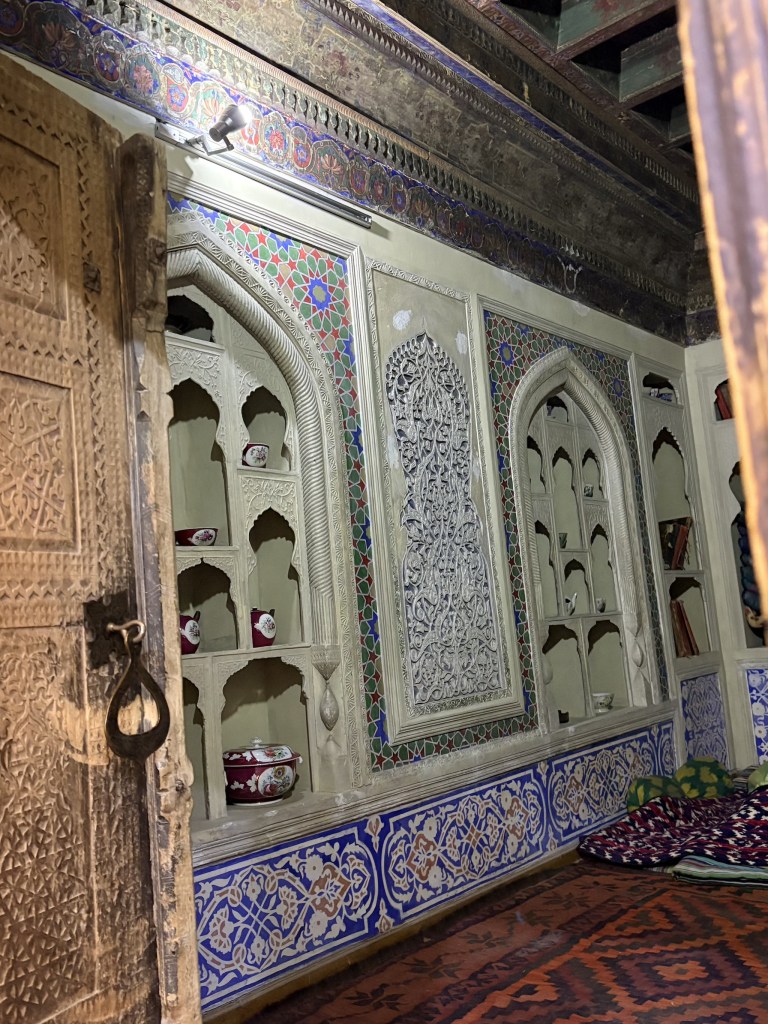
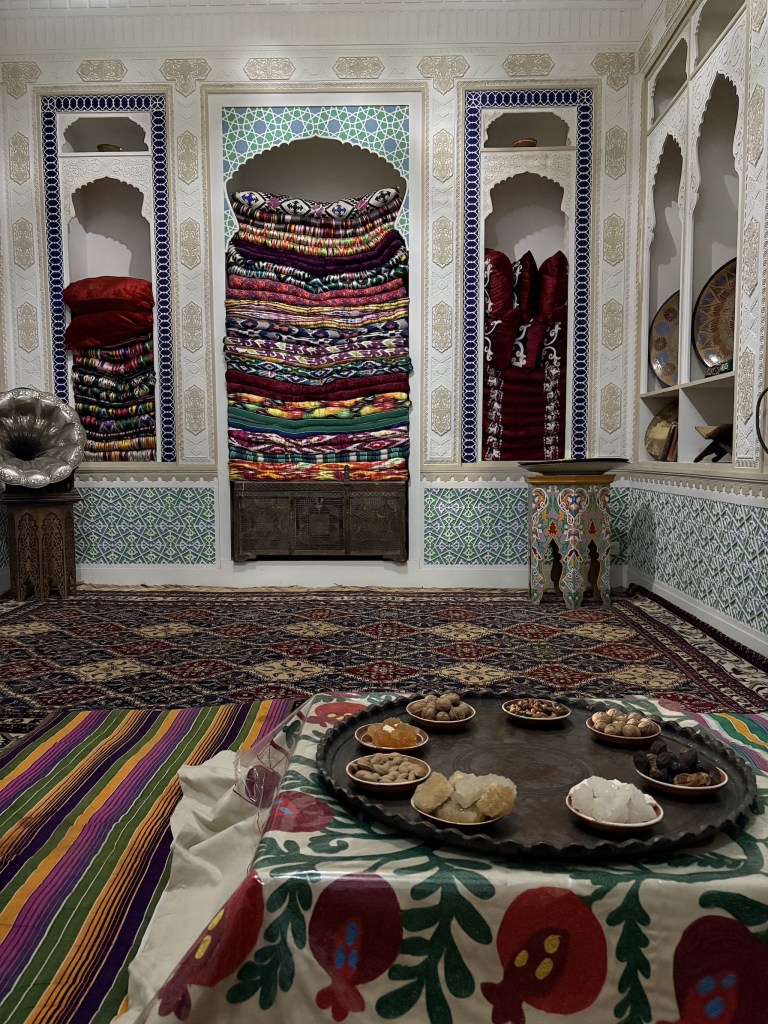
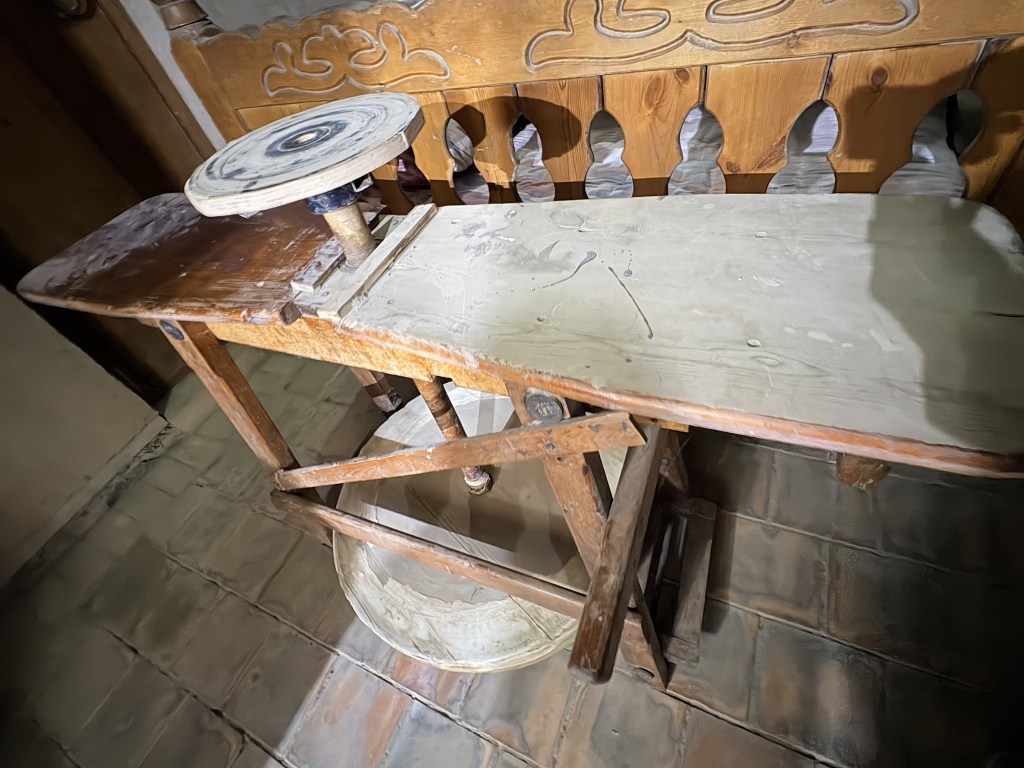
The thing that looks like a table on a table is called a top-chalk. The niches in the wall with decorative objects eliminates the need for a furniture piece.
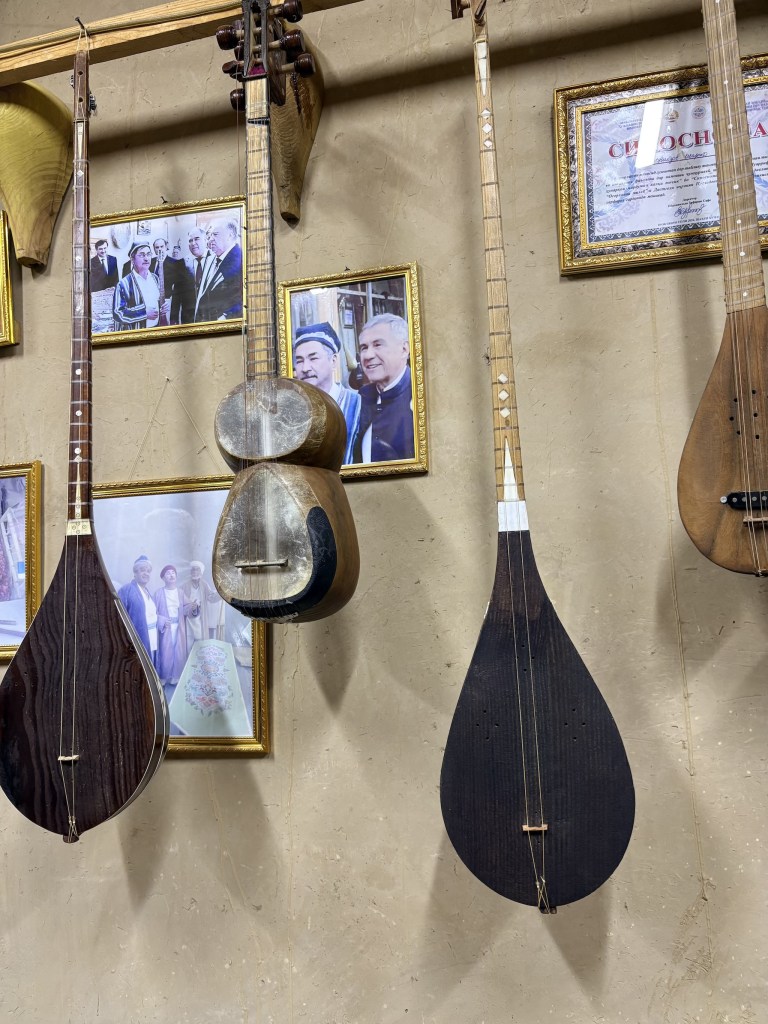
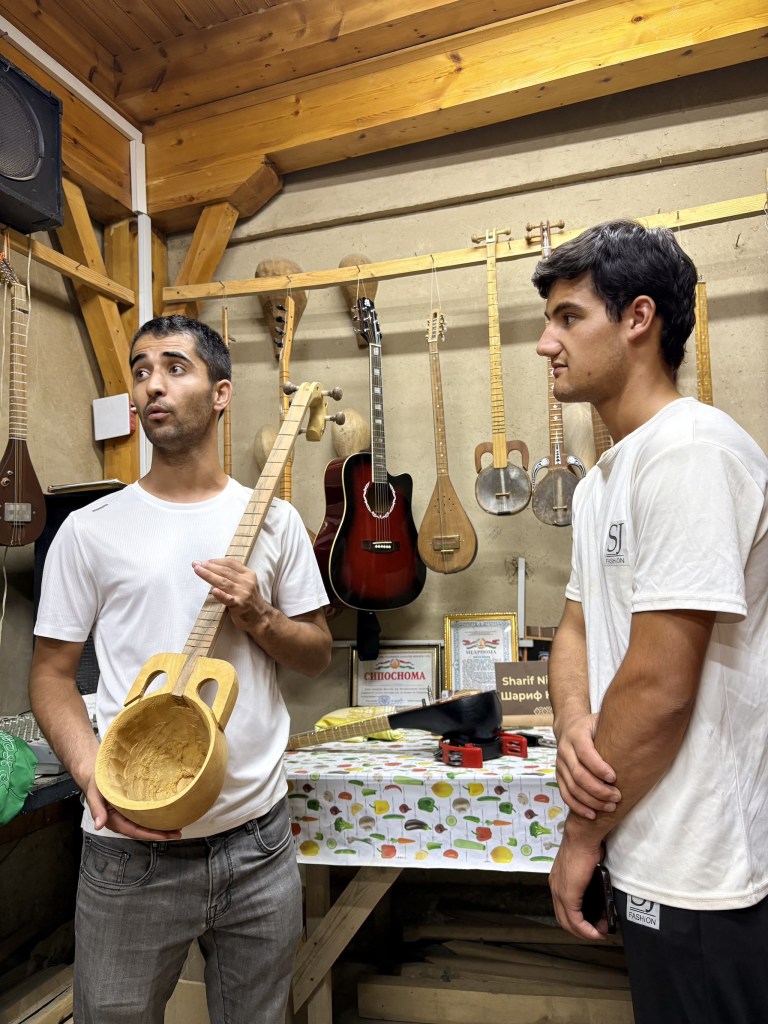
Did you know ‘guitar’ literally means ‘5 string’ the way ‘sitar’ means ’30 string’ and ‘dutar’ means ‘2 string’? They have a 7 note scale. The guys said something about the impact of music on you is called ‘body cutting.’ The wood of the instruments is walnut and mulberry with apricot wood for the inlay decoration. Pericardium is used for strings and fish skin used to cover the sound hole.
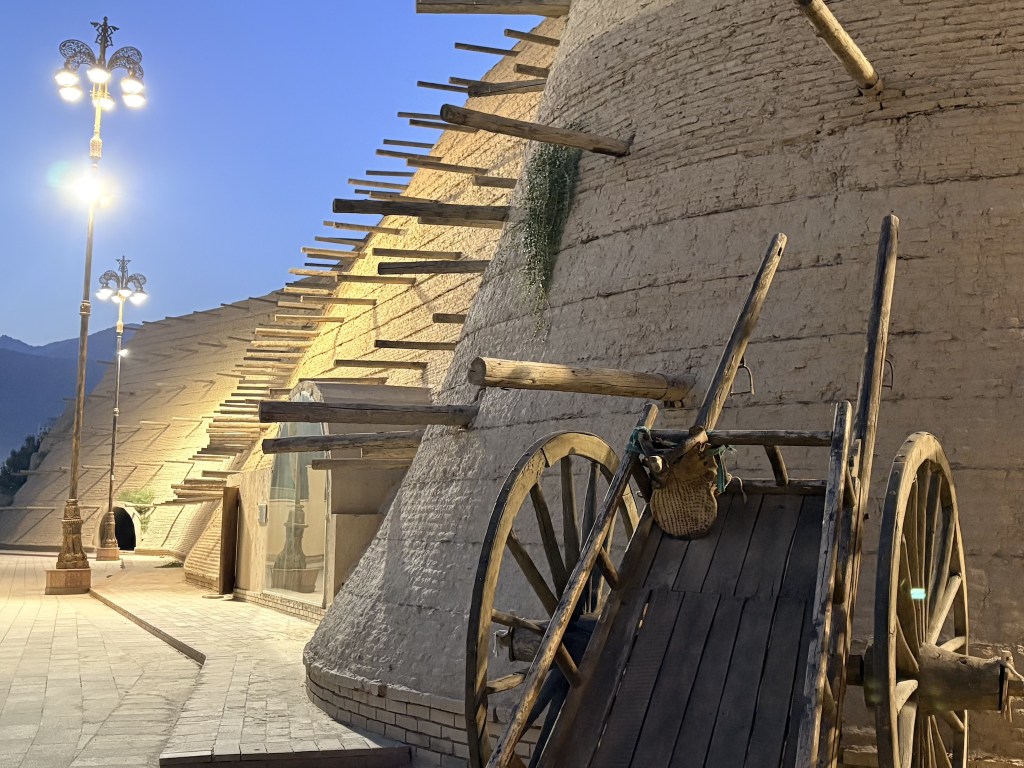
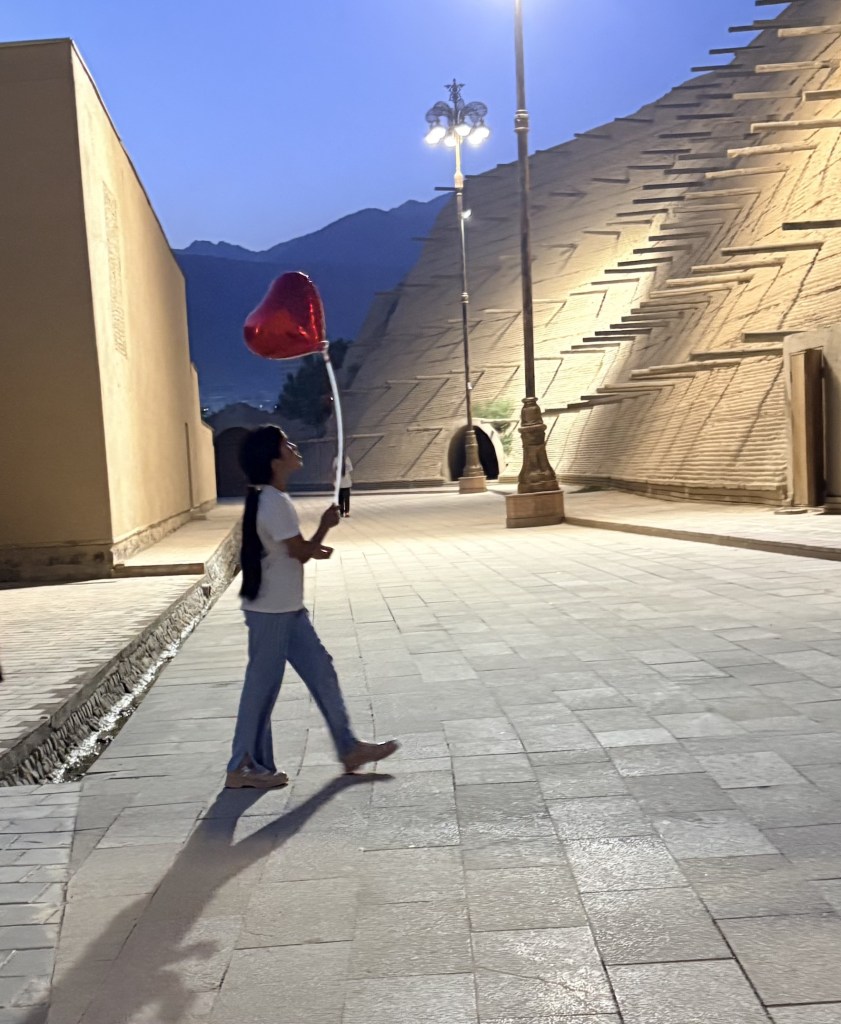
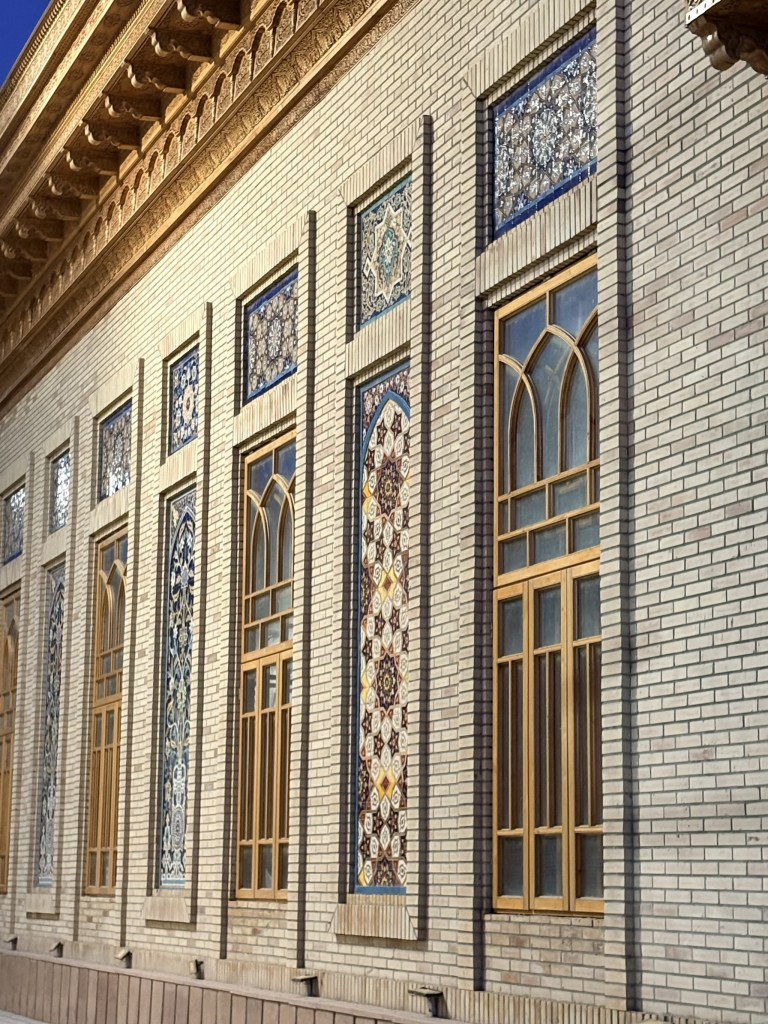
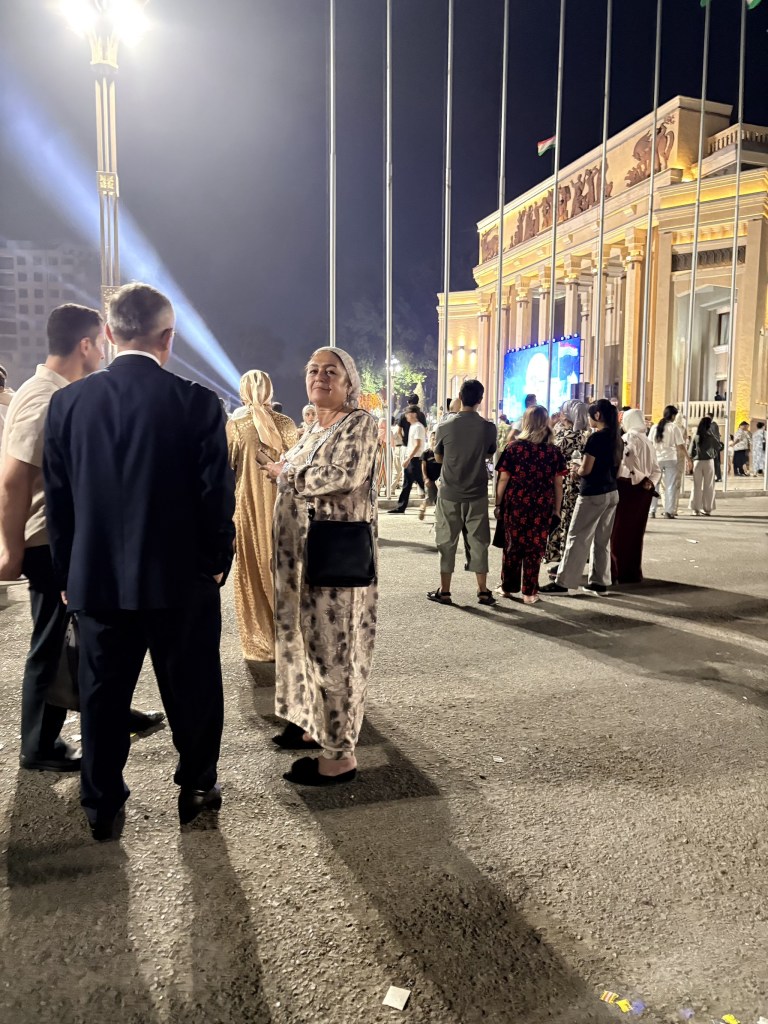
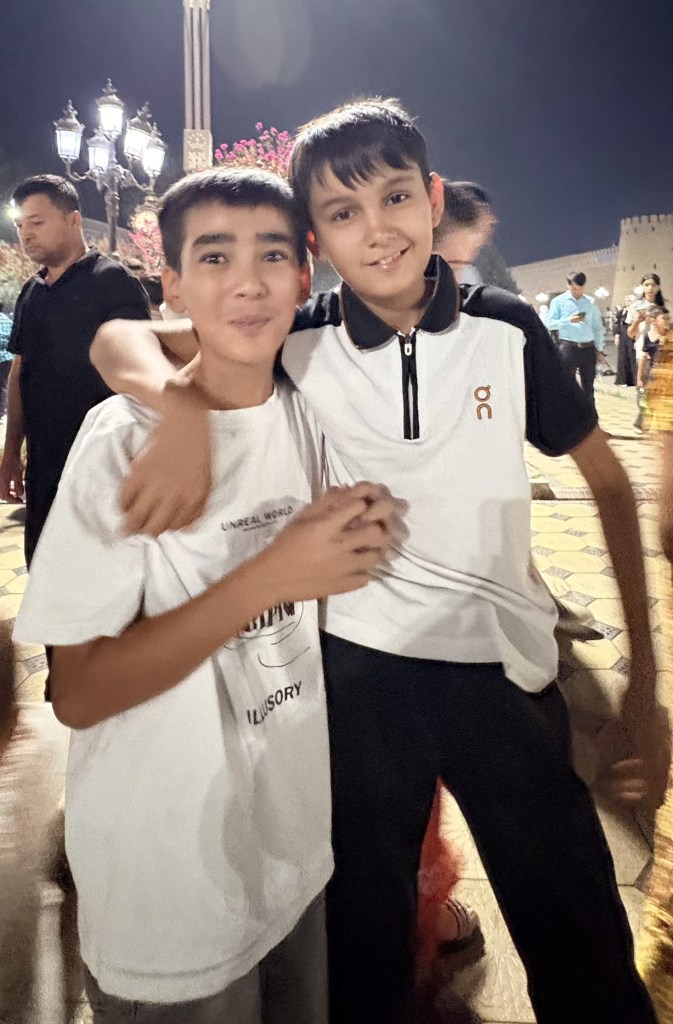
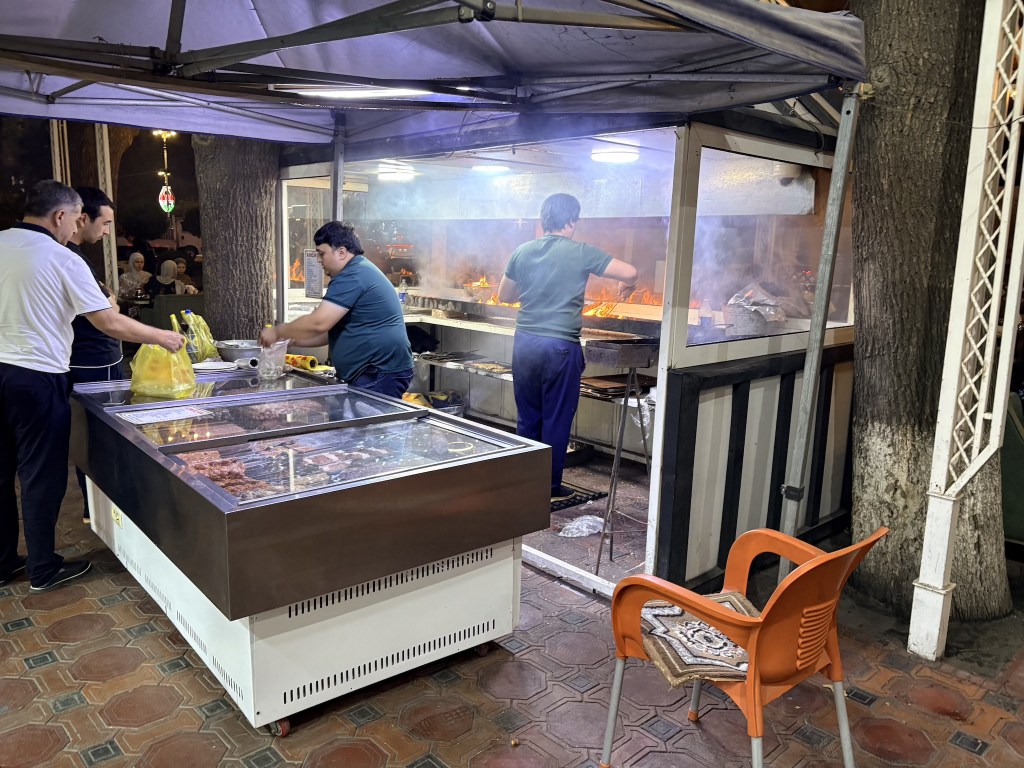
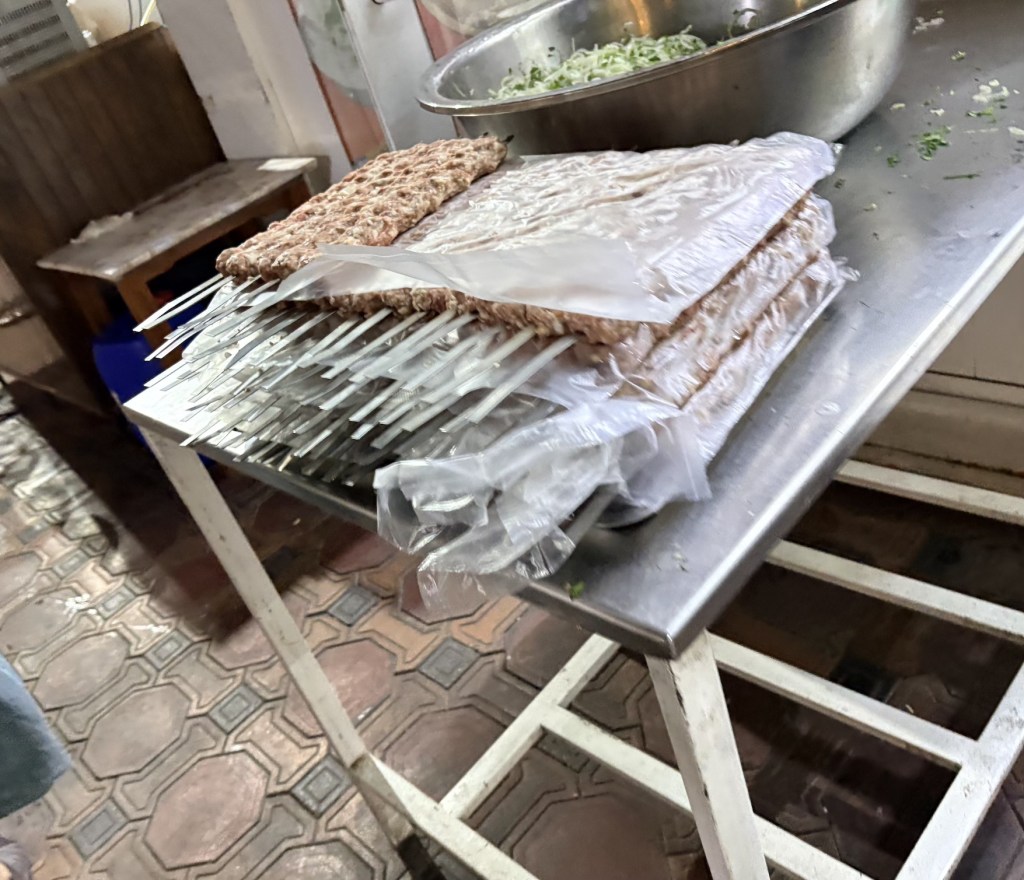
Independence Day Celebration (and our dinner)
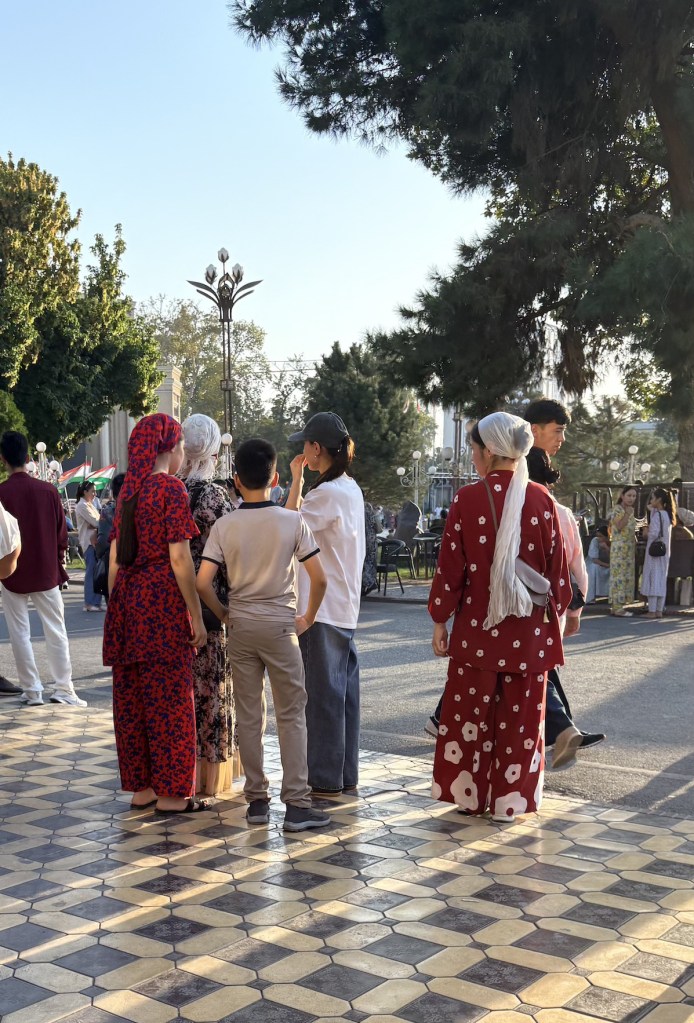
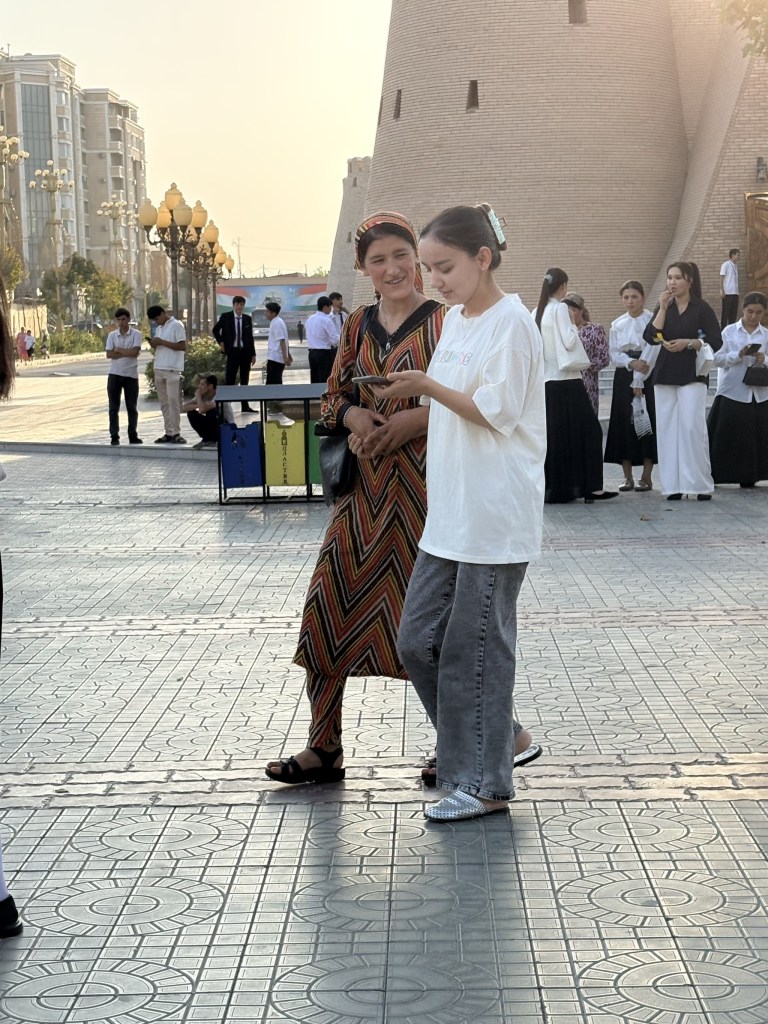
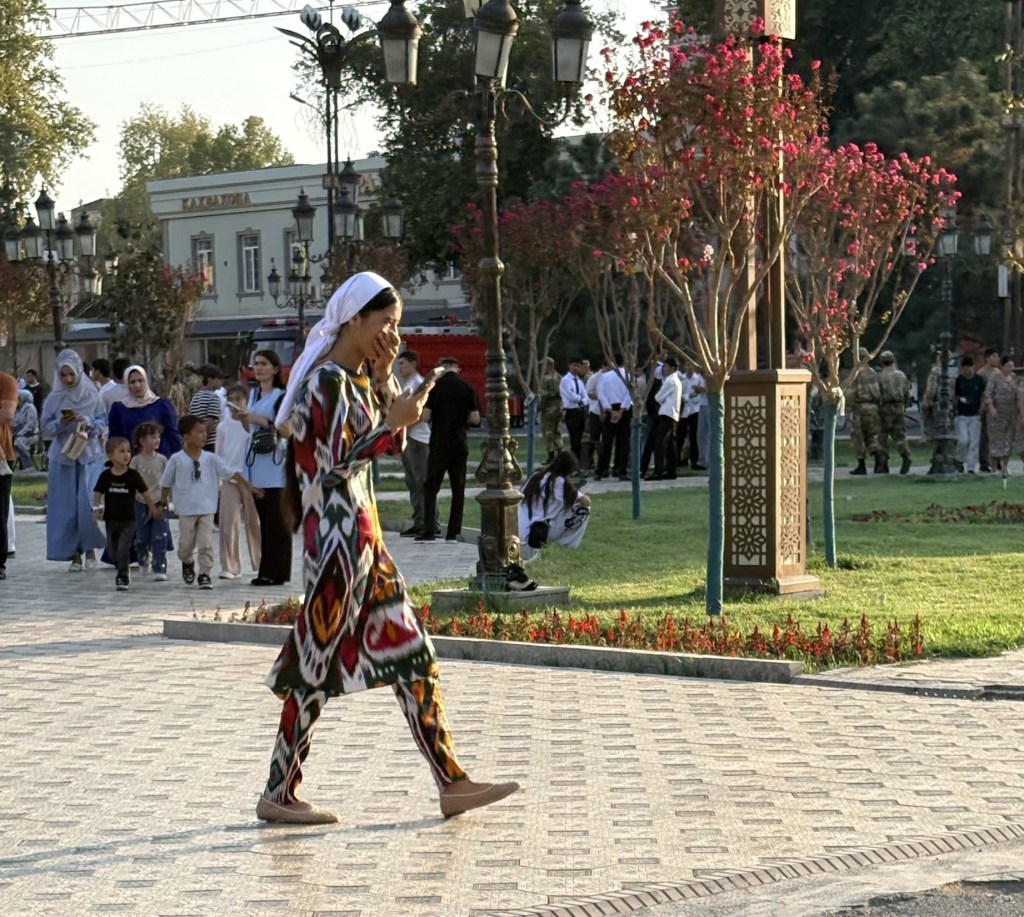
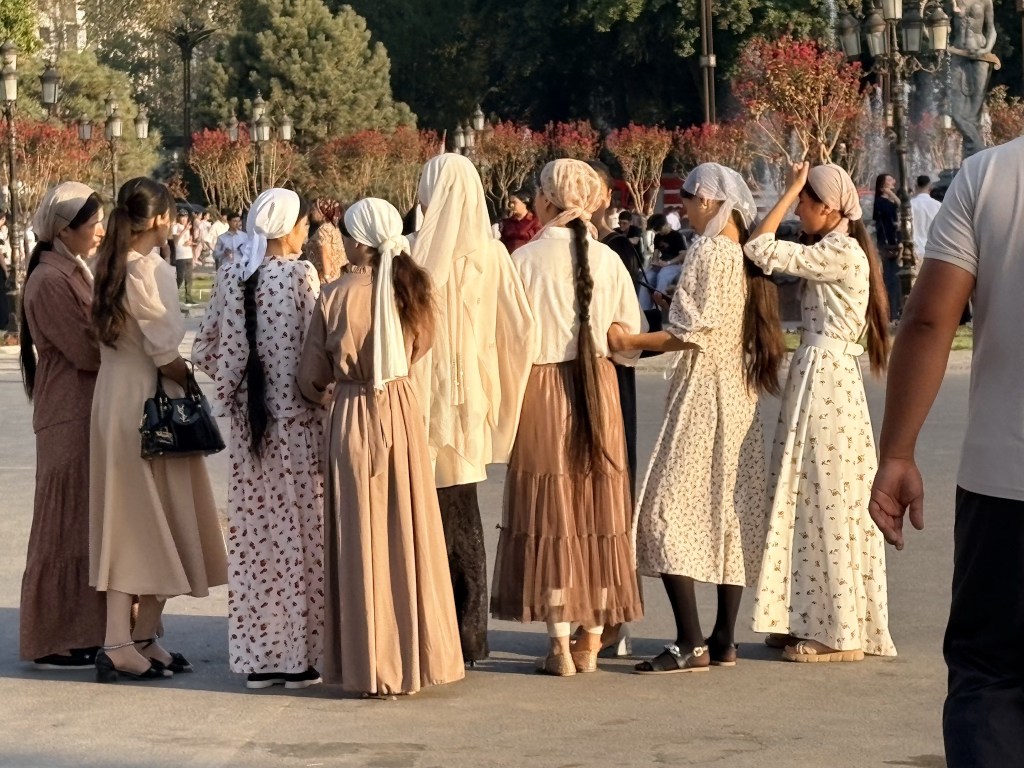
I was noticing many women with especially long hair and sparkling fabric. Many men with long, thick black hair swept low across the forehead.